
If you’re working with a compact living area, the benefits of using mirrors in small rooms are truly game-changing. A well-placed mirror can make a tiny space feel double its size while flooding it with natural light. Best of all, it’s one of the most budget-friendly tricks in the home decor playbook.
Benefits of Using Mirrors in Small Rooms: Visual Expansion
Mirrors work by reflecting the room back at itself, creating an illusion of depth. When you place one opposite a window, it effectively doubles the view and makes the walls feel farther away.
This trick is especially powerful in narrow hallways or cramped bedrooms.
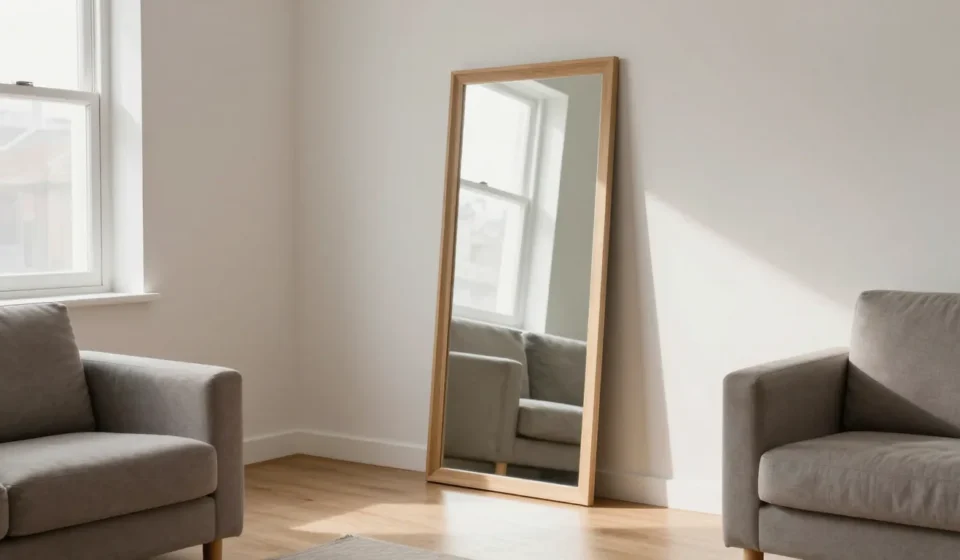
For maximum effect, choose a large mirror or group several smaller ones together. A floor-length mirror leaning against a wall can instantly open up a corner.
You don’t need expensive custom pieces—thrift stores and online marketplaces are goldmines for budget-friendly options.
Maximizing Natural Light with Mirror Placement
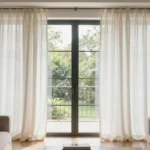
Light is a small room’s best friend, and mirrors are its amplifier. Position a mirror directly across from a window to bounce sunlight deep into the room.
This reduces the need for artificial lighting during the day and creates a cheerful, airy atmosphere.
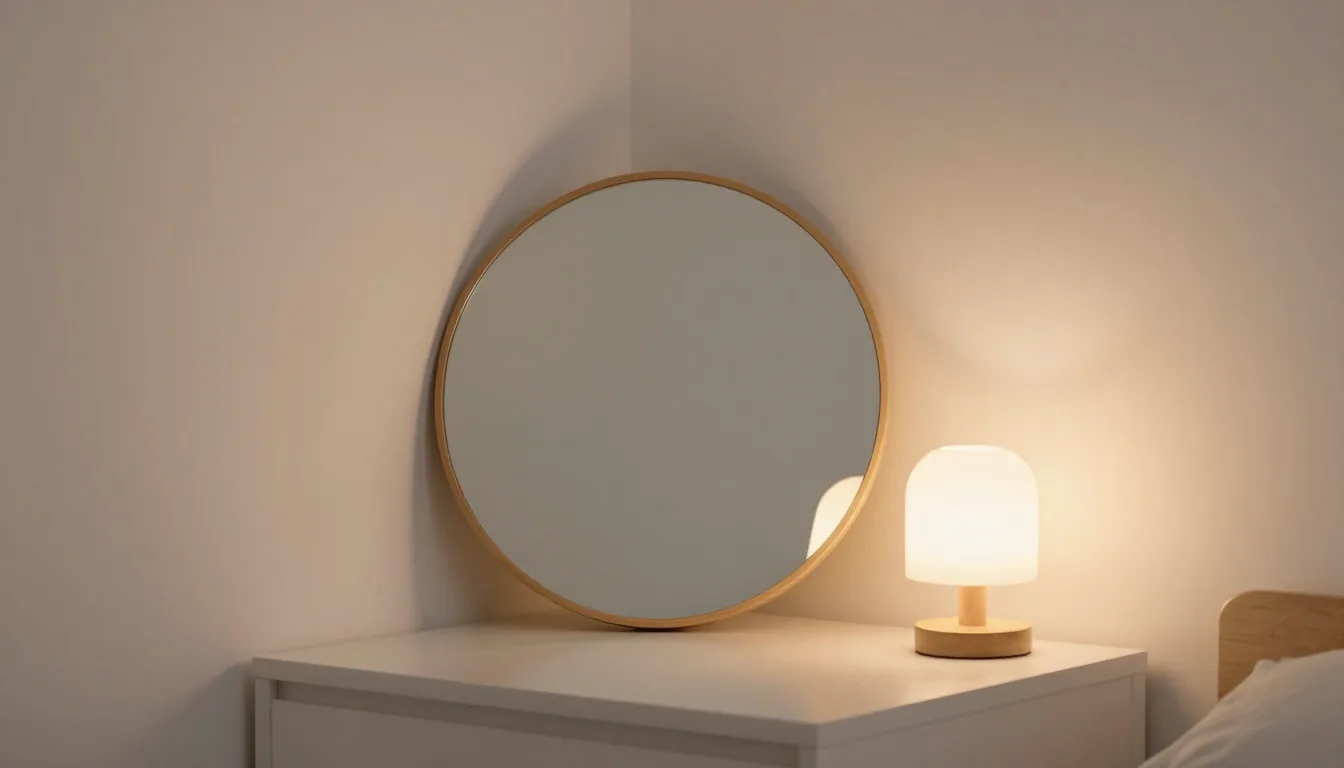
In rooms with limited windows, try placing a mirror near a lamp or sconce. The reflection will double the light output, making the space feel brighter and more inviting.
Even a small mirror above a desk or vanity can work wonders for task lighting.
Another way to harness the benefits of using mirrors in small rooms is to place them in dark corners. This technique reflects light from the main source into previously shadowed areas.
It’s a simple trick that brightens every nook.
Choosing the Right Mirror Shape and Size
Round mirrors soften sharp corners and add a touch of elegance. Rectangular mirrors create a more structured look, while oversized mirrors make a bold statement and expand the visual footprint.
If ceiling height is an issue, a tall vertical mirror can draw the eye upward, making the room feel taller.
Understanding the benefits of using mirrors in small rooms helps you select the best shape. Light-colored or metallic frames blend into the wall and enhance the airy feel.
Dark frames can ground the space but may make it feel smaller, so use them sparingly. A frameless mirror is the ultimate minimalist choice for seamless integration.
Placing a mirror opposite a piece of art doubles the visual impact and enhances the decor. This trick adds depth and interest without taking up floor space.
It’s a clever way to make your room feel curated and spacious.
Budget-Friendly DIY Mirror Hacks
You don’t need to break the bank to enjoy the benefits of using mirrors in small rooms. One of my favorite hacks is to create a gallery wall with mismatched thrifted mirrors.
Paint all the frames the same color for a cohesive look that feels custom.
Another idea is to add mirror tiles to a plain wall or the back of a bookshelf. These adhesive tiles are inexpensive and instantly add sparkle.
For a bolder project, frame a large sheet of mirror glass with molding from the hardware store. This approach costs a fraction of a store-bought mirror and allows for custom sizing.
You can finish it with paint or stain to match your decor.
Common Mistakes to Avoid When Using Mirrors
Reflecting clutter is the number one pitfall. Before hanging a mirror, make sure the opposite wall is tidy—otherwise, you’ll just double the mess.
Also, avoid placing mirrors where they reflect an unflattering view, like a toilet or a pile of laundry.
Don’t overdo it. One or two well-placed mirrors are more effective than covering every wall.
Too many can create a dizzying effect.
Finally, consider the mirror’s height—center it at eye level for the most natural perspective. To fully enjoy the benefits of using mirrors in small rooms, avoid these common errors. For more inspiration, check out our Home Decor & DIY category, and explore expert tips on mirror placement from HGTV or get creative with DIY mirror frame ideas from The Spruce.