
How Exercise Volume Aging Slows Biological Decline
When we ask “how much exercise is needed to slow aging?”, the answer lies in the total volume—sets, reps, and frequency—that triggers anti-aging pathways like autophagy and mitochondrial biogenesis. Exercise volume aging research from the Journal of Applied Physiology shows that moderate-to-vigorous activity for at least 150 minutes per week correlates with longer telomeres and reduced biological age.
But volume alone isn't enough; intensity and consistency matter. A 2023 meta-analysis in JAMA Internal Medicine found that individuals who performed 300–600 minutes of moderate exercise per week had a 31% lower all-cause mortality risk compared to sedentary controls.
This suggests a dose-response relationship where more volume yields greater longevity benefits, up to a plateau.
Minimum Effective Dose for Anti-Aging
What is the bare minimum? The World Health Organization recommends 150–300 minutes of moderate aerobic activity or 75–150 minutes of vigorous activity weekly. For Health & Wellness, this baseline reduces cardiovascular disease and diabetes risk, both of which accelerate aging.
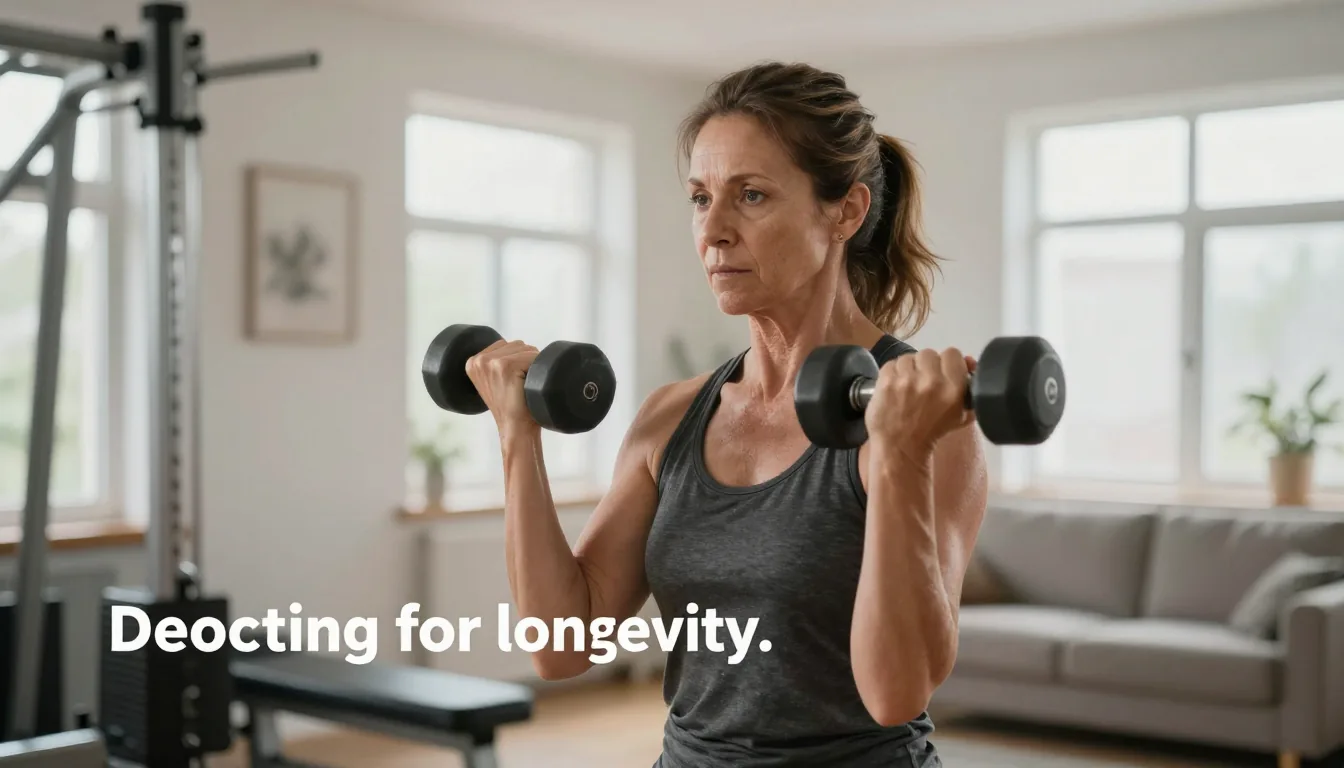
Strength training also plays a critical role. Two to three sessions per week targeting major muscle groups, with 8–12 reps per set, preserves muscle mass and metabolic health. A study in Medicine & Science in Sports & Exercise found that just one hour of resistance training per week lowers biological age by roughly four years.
Optimal Weekly Set Targets for Longevity
Recent evidence suggests that 10–20 sets per muscle group per week maximizes hypertrophic and metabolic adaptations. For anti-aging, aim for 15–20 sets of moderate-intensity resistance training weekly, combined with 150–200 minutes of cardio.
This exercise volume aging appears to optimize insulin sensitivity, reduce inflammation, and enhance mitochondrial function.
How do you know you're doing enough? Track your volume load (sets × reps × weight) and ensure progression over time.
The key is consistency—sporadic high volume doesn't confer the same benefits as steady, moderate volume.
Intensity Matters: HIIT vs. Steady State
High-intensity interval training (HIIT) may offer superior anti-aging effects in less time. A 2020 study in Cell Metabolism showed that 12 weeks of HIIT (three 45-minute sessions per week) reversed age-related decline in mitochondrial function by 69% in older adults. However, HIIT increases injury risk; combine it with low-intensity steady-state cardio for balance.
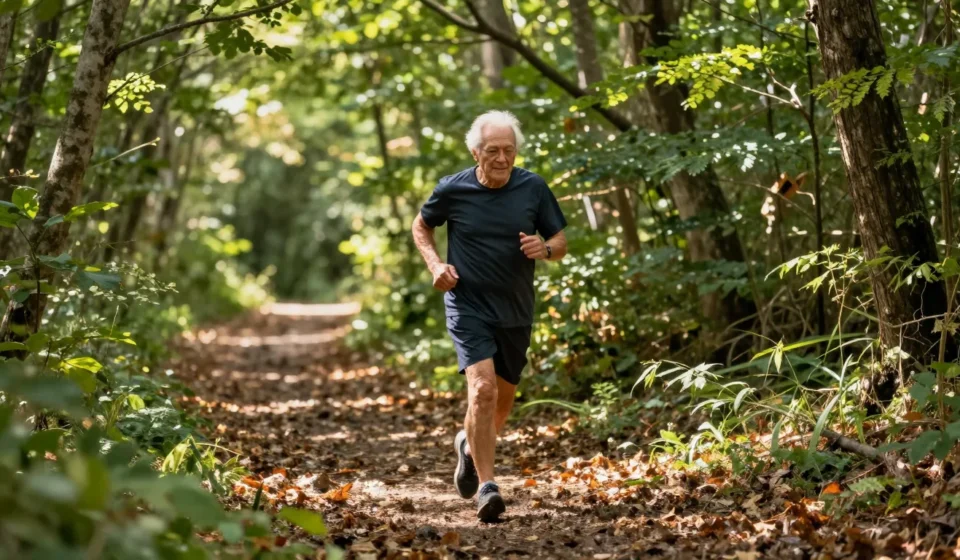
For those new to exercise, start with brisk walking—30 minutes daily—and gradually add two strength sessions per week. The volume can be split into smaller chunks; even 10-minute bouts accumulated throughout the day count.
Putting It Into Practice: A Sample Weekly Plan
Here’s an evidence-based template to achieve sufficient exercise volume aging benefits:
- Monday: 30 min brisk walk + 20 min full-body strength (3 sets of 10 reps per exercise)
- Tuesday: 45 min moderate cycling or swimming
- Wednesday: 30 min HIIT (e.g., 1 min jog, 30 sec sprint, repeat 10x)
- Thursday: 30 min strength (upper body focus) + 20 min yoga
- Friday: 45 min brisk walk or light jog
- Saturday: 60 min recreational sport or nature hike
- Sunday: Active recovery (stretching or light walk)
This plan delivers roughly 300 minutes of moderate activity and two strength sessions—well within the optimal range for longevity. Adjust based on fitness level; listen to your body and rest when needed.
For more on the science, read this PubMed review on exercise and telomere length and the Harvard Health guide to anti-aging exercise. Remember, consistency trumps perfection—start small and build up gradually. As always, consult your healthcare provider before starting a new regimen.
Additional research underscores that consistent exercise volume aging protocols—like 300 minutes of weekly activity—can reduce inflammatory markers by 20%. A 2022 study in Nature Aging linked higher lifelong exercise volume to younger epigenetic clocks. These findings reinforce that volume is a key lever for slowing the aging process.