
Planting a Hummingbird Buffet
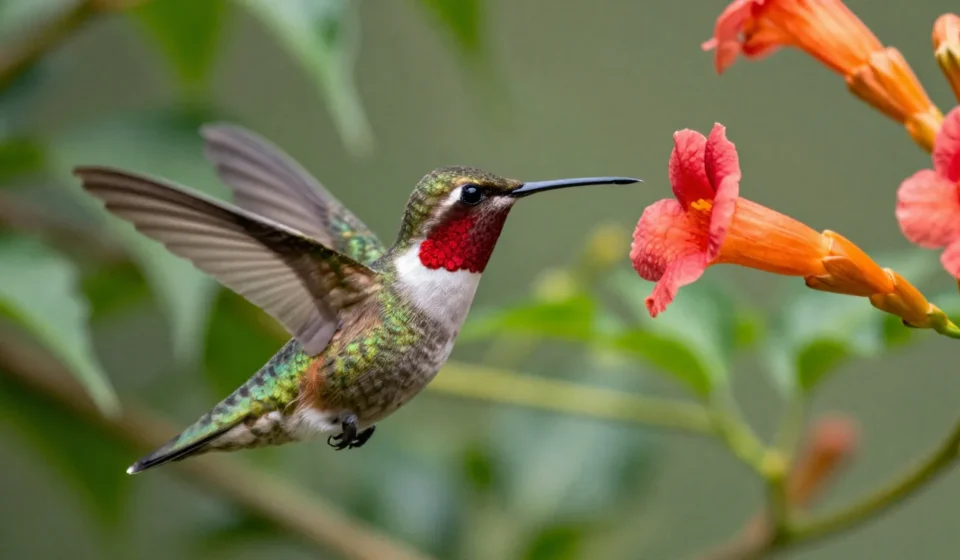
To create a garden that attracts hummingbirds all season long, choose the best flowers for hummingbirds—nectar-rich blooms that provide a continuous food source. These tiny birds need plenty of energy for their high metabolism, so a well-planned garden is essential.
Start by selecting native and adapted perennials that produce tubular blossoms in shades of red, orange, and pink—these are ideal flowers for hummingbirds. Hummingbirds have excellent color memory and will revisit reliable food sources.
Avoid hybrid double flowers that may hide nectar or be inaccessible to their long bills.
Top Nectar-Rich Flowers for Hummingbirds
Trumpet Vine (Campsis radicans)
This vigorous climber produces brilliant orange-red trumpets from midsummer to frost. It's a hummingbird magnet, but give it strong support and plenty of room to spread.
Prune in early spring to keep it manageable and encourage blooming.
Bee Balm (Monarda didyma)
Bee balm offers whorls of scarlet, pink, or purple blooms that hummingbirds adore. It thrives in moist soil and full sun, and deadheading spent flowers extends blooming into early fall.
Divide clumps every few years to maintain vigor.
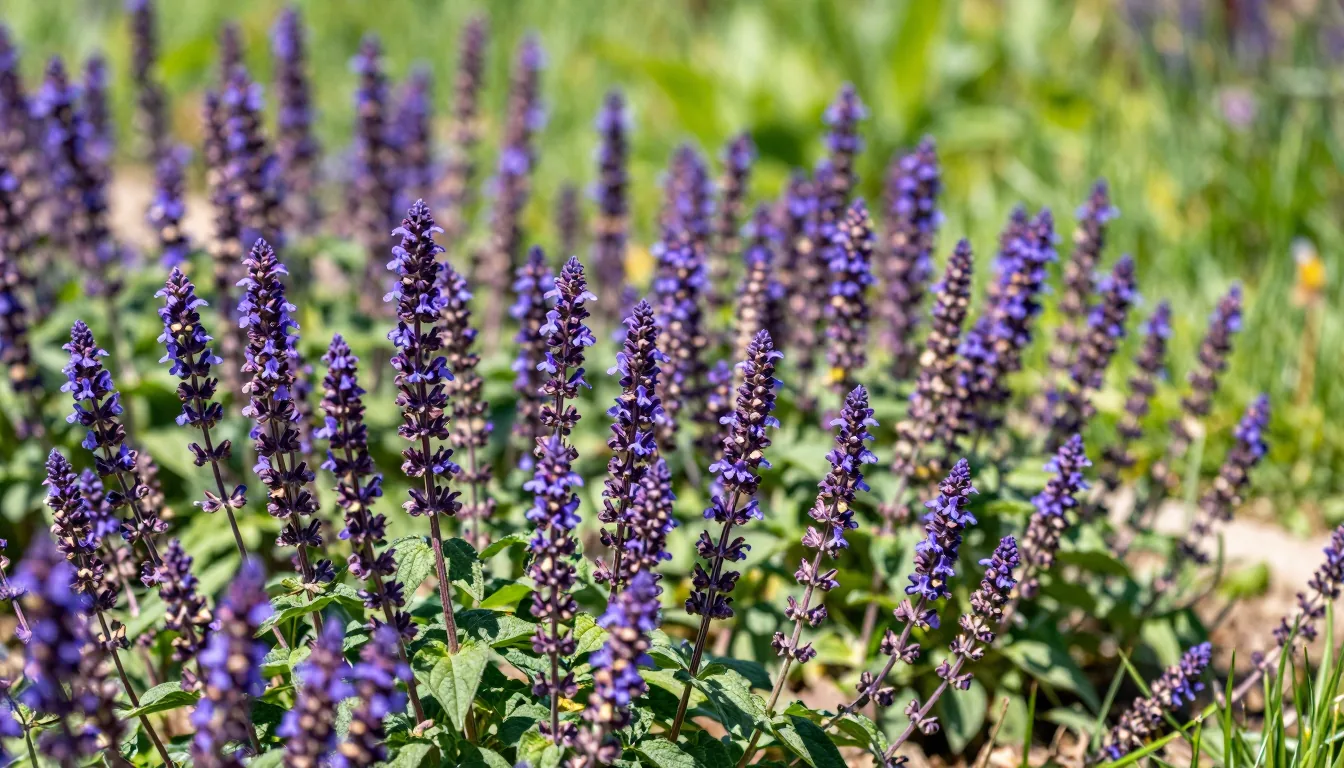
Salvia (Salvia spp.)
Many salvias, especially 'Black and Blue' and 'Hot Lips', produce tall spikes of tubular flowers. They bloom from late spring until frost with regular deadheading.
Salvias are drought-tolerant once established and attract both hummingbirds and bees.
Cardinal Flower (Lobelia cardinalis)
This striking native perennial sends up spikes of intense red flowers in late summer. It prefers wet soil and partial shade, making it ideal for rain gardens or pond edges.
Hummingbirds can't resist its vivid color, and it self-seeds readily.
Columbine (Aquilegia canadensis)
Early-blooming columbines provide vital nectar when hummingbirds first arrive in spring. Their nodding red-and-yellow flowers are perfectly shaped for hummingbird bills.
Plant them in well-drained soil with light shade, and let them reseed naturally.
Fuchsia (Fuchsia magellanica)
Hardy fuchsias produce pendant blossoms in hot pink and purple from summer to fall. They thrive in cool, moist conditions and are excellent in containers or hanging baskets.
Hummingbirds love the dangling, nectar-filled tubes that are easy to access.
Petunia (Petunia spp.)
While not native, modern petunias like the 'Wave' series provide abundant nectar. Choose single-flowered varieties in red or purple for best results.
They bloom nonstop until frost, making them perfect for hanging baskets near windows where you can watch the action.
Designing for Continuous Blooms
Layer early, mid, and late-season flowers to keep hummingbirds fed all season. Choosing a diverse mix of flowers for hummingbirds ensures a constant nectar supply.
Plant columbine for spring, bee balm and salvia for summer, and trumpet vine or cardinal flower for fall. Group at least three to five plants of each species together to create visible patches that birds can spot easily.
Include a mix of heights and structures in your garden design. Tall perennials like salvia work well at the back of borders, while low-growing petunias spill over edges.
Adding a small water feature or mister will also attract hummingbirds, as they bathe frequently and enjoy moving water.
Organic Care Tips for a Hummingbird Haven
Avoid all chemical pesticides and herbicides in your garden. Even organic sprays like neem oil can harm tiny birds if applied incorrectly.
Instead, encourage beneficial insects like ladybugs, and handpick pests when necessary. Use compost to enrich soil naturally, and apply mulch to retain moisture and suppress weeds.
Growing your flowers for hummingbirds organically protects them from harmful chemicals. Clean hummingbird feeders weekly with hot water and a brush if you offer supplemental sugar water.
Change the solution every few days in hot weather to prevent fermentation. However, the best long-term strategy is a garden full of natural Gardening & Nature plants that provide both nectar and habitat.
For more on creating a pollinator paradise, check out Audubon’s guide and University of Minnesota Extension. Remember, every flower you plant is a promise of nectar for these tireless fliers. Whether you grow perennials or annuals, selecting the best flowers for hummingbirds makes all the difference, and you can enjoy their dazzling visits from spring through fall.