
Understanding Your Internal Clock
Your circadian rhythm is the master clock governing sleep, metabolism, and cellular repair. Research shows that aligning this rhythm with natural light-dark cycles can significantly impact circadian rhythm longevity.
A misaligned clock is linked to chronic diseases and accelerated aging. Understanding this internal timing system is key to optimizing health and extending healthspan.
The suprachiasmatic nucleus in the brain coordinates peripheral clocks throughout the body. Light exposure at the wrong time desynchronizes these clocks, impairing metabolic and immune function.
Consistently erratic schedules, like shift work, are associated with higher disease risk.
Light Exposure: The Master Switch
Morning sunlight is the strongest cue for your internal clock. Exposure within 30–60 minutes of waking helps set your circadian phase for the day.
Aim for 10–15 minutes of outdoor light even on cloudy days to signal wakefulness.
Evening light, especially blue light from screens, suppresses melatonin and disrupts repair processes. Use blue-light blocking glasses or switch to dim, warm lighting two hours before bed.
This simple practice can improve sleep quality and cellular regeneration.
Your retina contains specialized cells that detect blue light and signal the brain's clock. By managing light exposure, you reinforce the natural cycle that drives circadian rhythm longevity.
This is one of the most powerful levers for slowing aging.
Circadian Rhythm Longevity: The Core Connection

When you align your daily behaviors with your internal clock, you optimize autophagy, DNA repair, and hormone balance. These processes are fundamental for slowing cellular aging.
Studies show that synchronized circadian rhythms reduce oxidative stress and inflammation.
Even small shifts, like eating dinner earlier, can enhance mitochondrial function and lower blood glucose. Over time, consistent alignment rewires your body for resilience and longer healthspan.
The key is to respect the natural cycles of light and darkness.
Your body's clock genes, such as CLOCK and BMAL1, regulate hundreds of cellular processes. Disruption of these genes accelerates aging in animal models.
Protecting your circadian rhythm longevity means supporting these internal rhythms every day.
Sleep for Cellular Repair
Deep sleep is when your body performs critical repair: clearing waste from the brain, repairing DNA, and releasing growth hormone. Prioritizing 7–9 hours of quality sleep is non-negotiable for Health & Wellness and longevity.
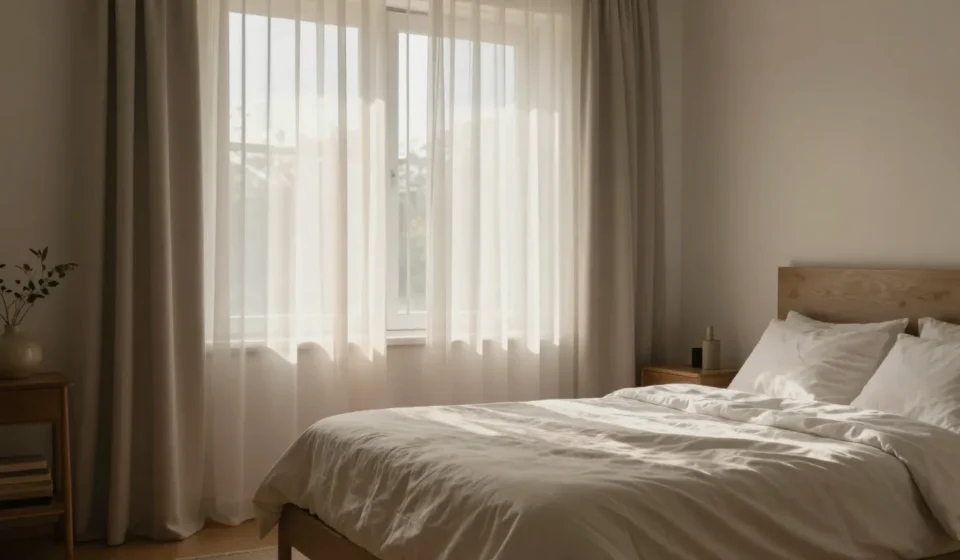
Create a cool, dark, and quiet sleep environment by keeping the bedroom around 65°F (18°C) and eliminating all light sources. Consider blackout curtains or a sleep mask.
These conditions mimic the natural drop in body temperature that promotes restorative sleep.
Maintain a consistent sleep schedule, even on weekends. Irregular bedtimes confuse your body's clock, reducing sleep quality and increasing metabolic risk.
Your brain's glymphatic system is most active during deep sleep, clearing toxins linked to Alzheimer's.
During deep sleep, your body also produces melatonin, which acts as an antioxidant. This further supports circadian rhythm longevity by reducing cellular damage.
Aim to go to bed and wake up within the same hour each day.
Consistency in sleep timing reinforces your body’s natural circadian rhythm, making each night’s repair more efficient. Even small variations can disrupt this delicate balance, so strive for regularity.
Actionable Daily Routine
- Morning: Wake at a consistent time, get 10+ minutes of sunlight, eat a protein-rich breakfast within an hour.
- Afternoon: Exercise early (preferably before 3 PM), avoid caffeine after 2 PM, keep lights bright until sunset.
- Evening: Dim lights, no screens 1–2 hours before bed, last meal at least 3 hours before sleep. Consider a warm bath to lower core temperature.
Even small adjustments can yield big benefits. Start by picking one habit to change today.
Over time, these practices reinforce your circadian rhythm longevity — helping you feel younger and more energized.
For deeper reading, explore the NIH guide on sleep, this Nature review on circadian rhythms and metabolism, and CDC overview on circadian rhythms.