Rapamycin for Longevity: What Recent Human Studies Reveal About Dosage, Risks & Promise

Rapamycin Anti-Aging: From Transplant to Longevity Lab
For decades, rapamycin has been used in transplant medicine, but the focus of rapamycin anti-aging research has now shifted to longevity labs. This mTOR inhibitor is studied for its potential to slow biological aging, raising important safety and efficacy questions.
Let’s examine what the science says about these protocols. The journey from clinic to lab is paved with cautious optimism.
The Molecular Mechanism Behind Rapamycin’s Potential
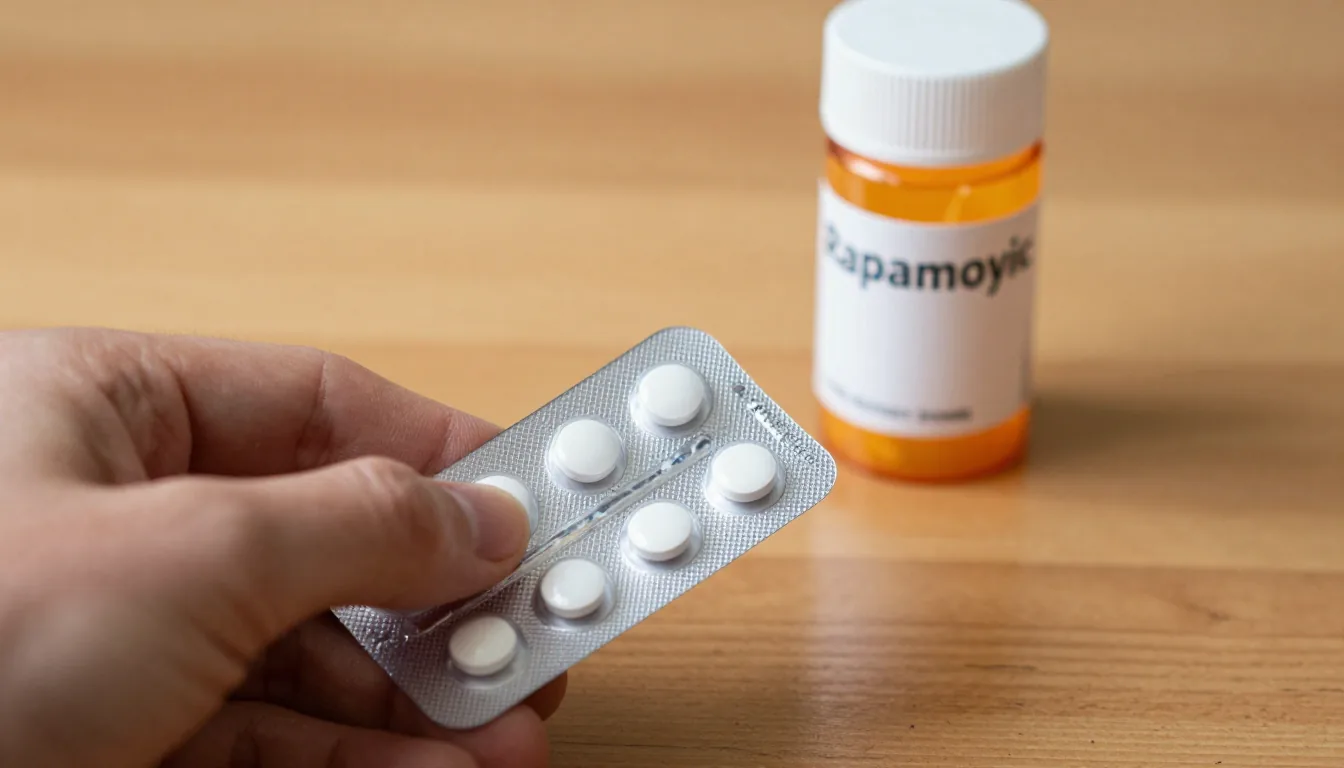
Rapamycin works by inhibiting the mTOR pathway, a master regulator of cell growth and metabolism. When mTOR is suppressed, cells shift into a maintenance mode, enhancing autophagy and reducing inflammation.
In preclinical models, this has consistently extended lifespan across multiple species. The molecular basis is now being translated to human trials, and rapamycin anti-aging research is accelerating.
What Human Trials Are Showing So Far
Several small human studies have tested intermittent low-dose rapamycin. The Targeting Aging with Metformin (TAME) trial opened the door, but rapamycin-specific research is now emerging.
A 2022 pilot study in older adults found improvements in immune function and reduced infection rates. Another trial reported enhanced vaccine responses, suggesting rejuvenated immunity.
Researchers at the University of Washington are conducting a phase 2 trial called RISE, focusing on cardiovascular and cognitive outcomes. Early data shows promise in reducing arterial stiffness.
However, these are preliminary results requiring larger validation. The field of rapamycin anti-aging is still in its infancy.
Optimal Dosing: The Sweet Spot for Safety
The standard transplant dose is 2–5 mg daily, but anti-aging protocols use much lower amounts. Most longevity clinics prescribe 5–10 mg once weekly.
This intermittent schedule minimizes side effects while maintaining mTOR inhibition. A 2023 review suggested that weekly dosing reduces metabolic impact and preserves immune function.
Notably, continuous daily dosing can lead to hyperlipidemia, insulin resistance, and mouth ulcers. For anti-aging purposes, lower, less frequent doses appear safer.
Always consult a physician before considering any regimen – self-experimentation carries real risks. Blood monitoring for kidney function and lipids is essential with such protocols.
Potential Benefits Beyond Lifespan Extension
Emerging evidence points to rapamycin's role in cognitive health. In animal models, it prevents age-related memory decline.
A small human study showed improved verbal learning in older adults taking weekly doses.
Additionally, rapamycin may help combat frailty by preserving muscle mass, though data is still limited. Its anti-inflammatory properties are well-documented.
By reducing senescent cell burden, rapamycin may delay chronic diseases. Yet, these benefits must be weighed against possible harms.
Increased infection risk and kidney function changes are concerns. The equation remains balanced with caution.
Balancing Risks: What to Watch For
The most common side effects of low-dose rapamycin include mouth sores, fatigue, and gastrointestinal upset. More serious risks involve increased triglycerides and reduced red blood cell counts.
Since rapamycin is an immunosuppressant, long-term use might raise infection susceptibility. Interindividual variability is high – genetic differences in drug metabolism can alter response.
Some people experience no side effects, while others struggle even with low doses. Regular blood monitoring for kidney function, lipids, and complete blood count is essential.
Anyone using these protocols off-label must stay vigilant. Safety should always come first.
How Rapamycin Compares to Other Longevity Interventions
Unlike metformin, which primarily targets glucose metabolism, rapamycin directly interferes with growth signaling. It may be more powerful but also riskier.
However, as a cornerstone of rapamycin anti-aging, it remains a top candidate.
Caloric restriction and intermittent fasting produce similar molecular effects with fewer side effects. Senolytics like dasatinib plus quercetin target senescent cells directly, while rapamycin suppresses their inflammatory output.
Combinations of these strategies are being explored, but no clinical guidelines yet exist. For most people, lifestyle modifications remain the safest first step.
A Compassionate Take for Curious Readers
The science of rapamycin anti-aging is exciting, but we must temper enthusiasm with caution. Aging is complex, and no single pill can replace a healthy lifestyle.
If you’re considering rapamycin, discuss it thoroughly with a knowledgeable healthcare provider. Ask about genetic testing to anticipate metabolizer status and plan monitoring.
Remember that longevity research evolves quickly. What looks promising today may be outdated tomorrow.
Stay curious, but prioritize safety.
The most evidence-backed anti-aging strategies – balanced nutrition, regular exercise, stress management – cost nothing and carry immense benefits. For further reading, see the 2022 human rapamycin trial and RISE protocol overview.
Explore more on our Health & Wellness page.