

Why Meal Timing Matters for Your Circadian Rhythm
Your body operates on a 24-hour internal clock known as the circadian rhythm, which influences digestion, metabolism, and energy levels. The best time to eat circadian rhythm alignment can improve insulin sensitivity and support healthy aging.
Eating at the wrong times disrupts this rhythm, leading to poor metabolic health and sleep issues. Research shows that aligning meals with your biological clock reduces inflammation and aids weight management.
The Science Behind Your Body’s Clock
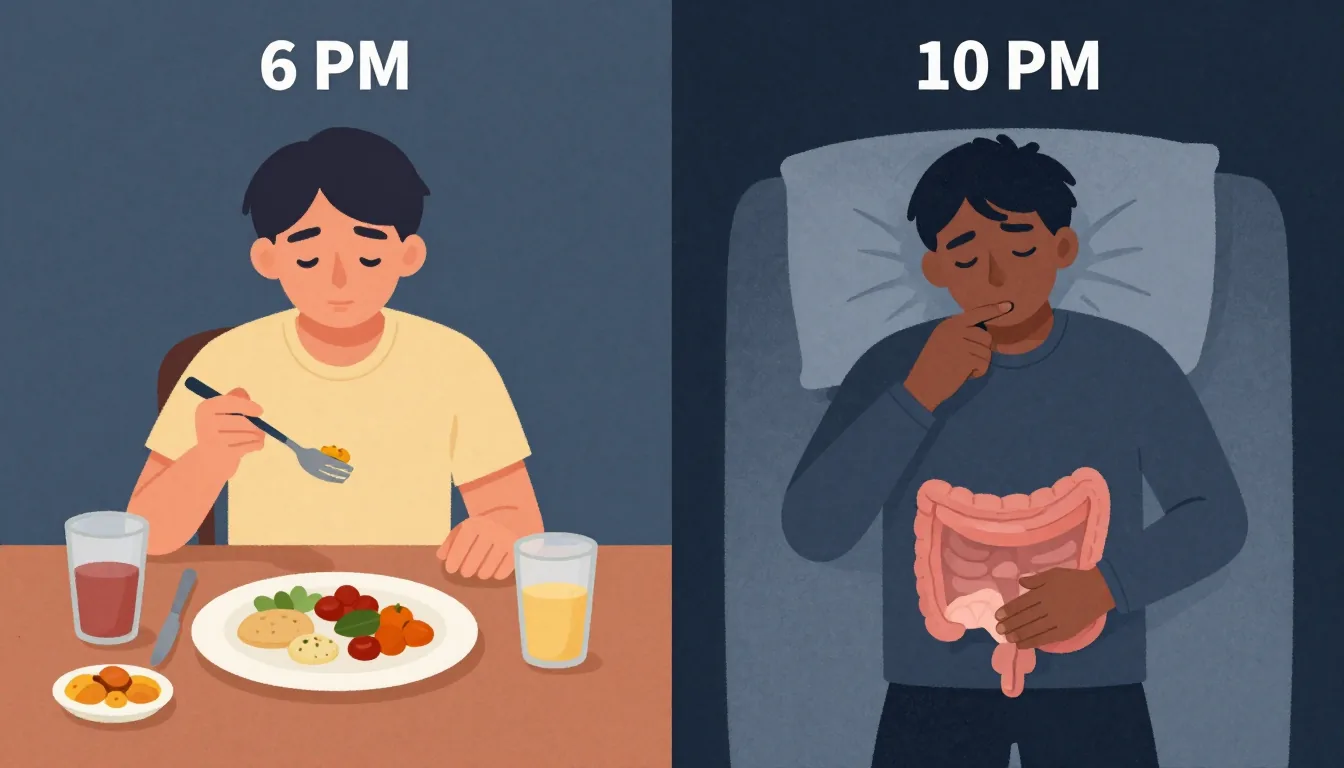
Your suprachiasmatic nucleus (SCN) in the brain acts as the master clock, while peripheral clocks in organs like the liver and pancreas respond to food intake. Eating late at night can confuse these clocks, increasing the risk of weight gain and chronic disease.
A 2020 study in Cell Metabolism found that time-restricted eating within a 10-hour window improved metabolic health in adults with metabolic syndrome. This approach directly leverages the best time to eat for circadian rhythm.
Morning: When to Eat Breakfast
Breakfast should be eaten within 1–2 hours after waking, when cortisol and insulin sensitivity are naturally higher. This aligns with the best time to eat circadian rhythm for metabolic benefits.
A protein-rich morning meal can help stabilize blood sugar and reduce cravings later. Avoid skipping breakfast to prevent overeating later in the day.
Midday: The Ideal Lunch Window
Lunch should be your largest meal, ideally between 12 p.m. and 2 p.m., when digestion and metabolism peak.
This aligns with your body's natural energy dip and supports better nutrient partitioning.
Eating a balanced lunch with lean protein, healthy fats, and fiber can sustain energy through the afternoon without causing drowsiness.
Evening: When to Stop Eating
Dinner should be eaten at least 3–4 hours before bedtime to allow for proper digestion. A light meal with vegetables and moderate protein can prevent sleep disruption from blood sugar spikes or reflux.
Finishing your last meal by 7–8 p.m. gives your body ample time to enter the fasting state, promoting autophagy and cellular repair overnight.
Best Time to Eat Circadian Rhythm: Fasting Windows
Time-restricted eating (TRE) typically involves a daily eating window of 8–12 hours. The best time to eat circadian rhythm approach suggests starting your window after sunrise and closing it before sunset, mimicking ancestral patterns.
For example, eating between 8 a.m. and 6 p.m.
(a 10-hour window) allows your body to process food during daylight and fast overnight, when metabolic rate naturally declines. This pattern enhances circadian alignment and metabolic health.
Sample Daily Eating Window
To implement the best time to eat circadian rhythm strategy, aim for an 8-10 hour eating window starting around 8 a.m. and ending by 6 p.m.
For example, have breakfast at 8 a.m., lunch at 1 p.m., and dinner at 5 p.m.
This schedule aligns with your body’s peak metabolic activity and allows a 14-16 hour fasting period overnight, promoting autophagy and cellular repair.
Practical Tips for Sync
- Start your day with exposure to natural light to set your clock.
- Avoid caffeine after 2 p.m. to prevent melatonin disruption.
- Stay consistent with meal times, even on weekends.
- Hydrate with water between meals, but avoid large amounts before bed.
These tips help you optimize the best time to eat circadian rhythm for your daily routine.
For more guidance on creating a Health & Wellness routine, explore our related resources.
Emerging evidence also highlights the benefits of eating earlier in the day. A 2019 New England Journal of Medicine review concluded that aligning food intake with circadian rhythms can improve weight management and reduce diabetes risk.
Start by gradually shifting your eating window earlier, and listen to your body’s hunger cues. Small changes can lead to lasting benefits for your health and longevity.
For instance, begin with a 12-hour eating window and slowly reduce it to 10 hours. Pay attention to how you feel after meals—if you experience bloating or poor sleep, adjust accordingly.
Consistency is key, as irregular meal times can confuse your internal clock. By following these principles, you harness the power of your body's natural rhythms to optimize digestion, energy, and overall health.