
Why Retirement Savings Milestones Matter
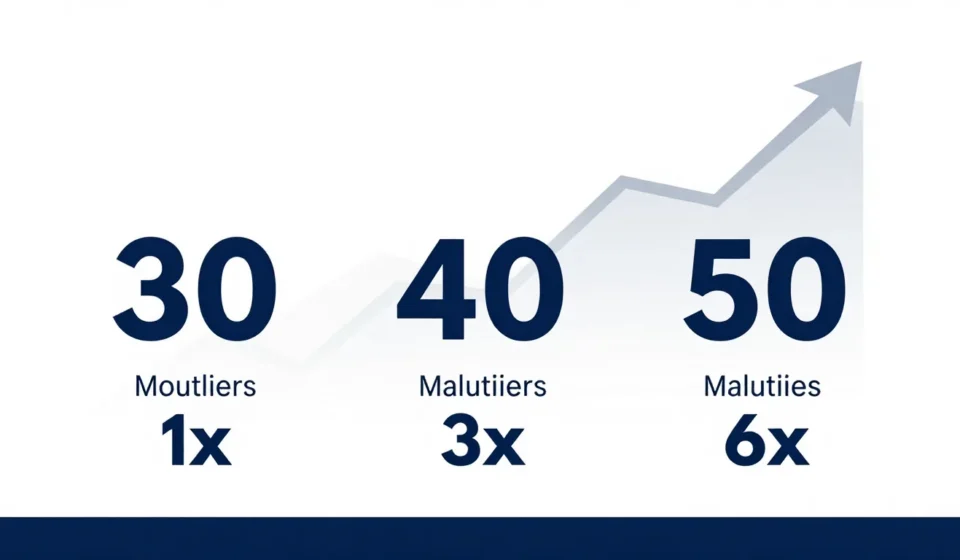
Setting retirement savings milestones by age helps you measure progress without panic. In this guide, we'll explore the essential retirement savings milestones for ages 30, 40, and 50.
Without a benchmark, you might save too little or too aggressively.
The following retirement savings milestones are based on common guidelines from financial planners and historical market returns. They assume a retirement age of 67 and a lifestyle that replaces about 70–80% of your pre-retirement income.
Savings Target by Age 30
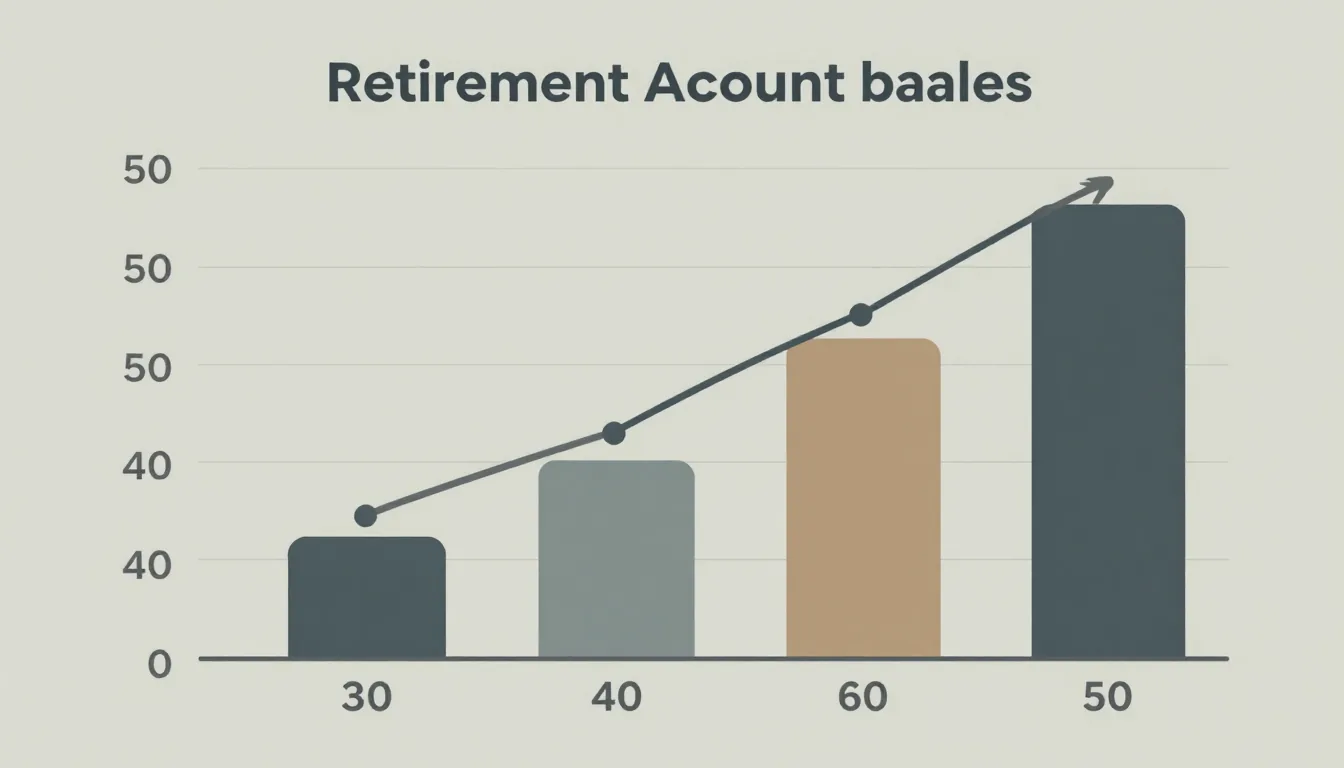
By 30, aim to have saved the equivalent of your annual salary. This retirement savings milestone may seem steep, but compound interest works best with time.
Missing it isn't a disaster—you can catch up later with higher savings rates.
To hit this retirement savings milestone, automate contributions to a 401(k) at least up to the employer match. Then add to a Roth IRA.
If you're behind, consider saving 15–20% of your income.
How to Reach the 1x Salary Goal
Automate contributions and increase them with every raise. Real-world example: A 25-year-old earning $60,000 can exceed 1x salary by 30 by saving 15% annually, assuming a 50% employer match and 7% returns.
Savings Target by Age 40
By 40, you should have three times your annual salary saved. Reaching this retirement savings milestone is crucial because you have fewer working years left.
For a $70,000 earner, that's $210,000.
Don't panic if you're not there. Many people focus on career earnings in their 30s and accelerate savings later.
But the longer you wait, the higher your required savings rate.
Strategies to Catch Up at 40
Max out your 401(k) and IRA annually. Consider a backdoor Roth IRA if your income is too high.
Reduce unnecessary spending—housing, cars, subscriptions.
Use bonuses and tax refunds for retirement contributions. Historical data: S&P 500 average annual return of ~10% over long periods.
If you have $100,000 at 40 and save $1,500/month, you can reach $1.5 million by 67.
Savings Target by Age 50
By 50, aim for six times your salary. Meeting retirement savings milestones by age 50 puts you in a strong position.
For a $100,000 earner, that's $600,000.
This is a critical checkpoint because you have only 15–17 years until retirement. Catch-up contributions become available: an extra $7,500 in 401(k) and $1,000 in IRA for those 50+.
Using these catch-up contributions can help you reach your retirement savings milestones faster.
Leverage Catch-Up Provisions
The IRS allows catch-up contributions starting the year you turn 50. Use them fully.
Also consider moving to a more tax-efficient asset allocation—fewer high-risk stocks, more bonds or dividend stocks.
Example: If you have $400,000 at 50 and save $30,000 per year, you can reach $1.2 million by 67. This assumes 6% returns.
Calculating Your Own Savings Targets
If the standard multipliers don't fit your lifestyle, build a custom plan. Start by estimating your desired retirement income and multiply by 25 using the 4% rule.
For example, if you need $50,000 per year, aim for $1.25 million.
Factor in Social Security and pensions. Subtract expected benefits from your target.
Then use a retirement calculator to determine the annual savings needed. This personalized approach can be more accurate than age-based guidelines.
Adjusting for Your Unique Situation
These retirement savings milestones are guidelines, not rules. If you plan to work past 67, you may need less.
If you expect high healthcare costs, save more.
Also consider your retirement timeline. If you plan to retire early, you'll need a larger nest egg.
If you expect a pension or part-time work, you can save less. Regularly review your progress and adjust for inflation.
Remember, retirement savings milestones are tools to keep you on pace. Consult a financial advisor for personalized advice.
Always use updated tools like the 4% rule to estimate required nest egg.
For more personal finance strategies, explore our other guides. External resources: Check the IRS retirement plans page for contribution limits, and SEC’s investing basics for market fundamentals. For deeper reading, see the Bogleheads safe withdrawal rates article.