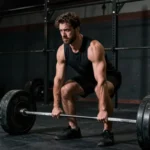

Why Ego Kills Your Progress
You step under the bar, load plates beyond your capability, and grind out a rep that looks more like a seizure than a squat. That's ego lifting dangers in action.
Every sloppy rep reinforces bad motor patterns and sets you back weeks of progress.
The gym isn't a showroom; it's a workshop. Leave your ego at the door if you want real results.
Controlled, deliberate lifting builds muscle and strength faster than any half-repped heavy weight ever will.
Research shows that focusing on technique over load leads to better long-term gains. A 2019 study found that lifters who prioritized form had 30% fewer injuries and 15% more hypertrophy over six months.
Recognizing ego lifting dangers early can prevent these setbacks.
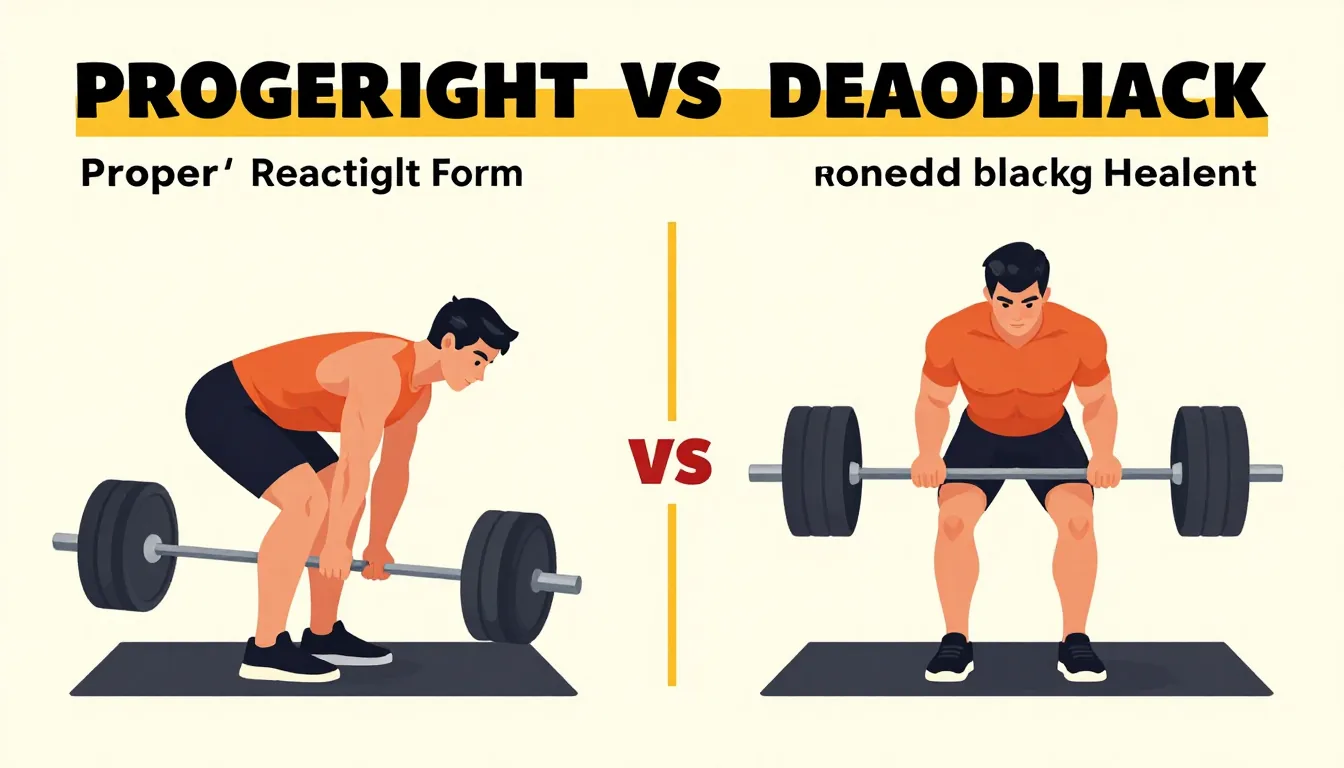
How Ego Ruins Your Form
When you chase numbers instead of quality, your body compensates. You round your back on deadlifts, bounce out of squats, and cut range of motion short.
These compensations shift load away from target muscles—your glutes, hamstrings, and quads stop working effectively.
Instead, your spine and joints take the brunt. This isn't strength; it's survival.
Over time, those ugly reps become ingrained, making it harder to unlearn them and increasing injury risk. Ego lifting dangers also manifest in chronic overuse injuries that sneak up on you.
The Real Cost of Ego Lifting Dangers
Every rep you cheat is a missed opportunity for muscle tension. Tension drives growth, not the number on the barbell.
Ego lifting dangers also spike injury risk—torn biceps, herniated discs, and strained pecs are common consequences of poor form.
One bad set can sideline you for months. That's months of zero progress, all for a few extra pounds on the bar.
Consider the cost: a single ego-driven bench press with a bouncing bar can lead to a sternum fracture or shoulder instability. Avoiding ego lifting dangers is essential for long-term health.
Why Smart Lifters Train with Humility
The strongest lifters in the gym rarely look impressive during warm-ups. They respect the process: perfect form, gradual progress, and honest assessment of their limits.
They know that ego lifting dangers are a direct path to plateaus and setbacks.
Controlled tempo lifts—two seconds up, three seconds down—maximize time under tension. That tension triggers muscle fiber recruitment and metabolic stress, both key for hypertrophy.
For example, a slow, controlled 225-pound squat can yield more muscle growth than a fast, sloppy 315-pound squat.
- Drop the weight by 10% and focus on form.
- Use a spotter only for safety, not to force extra reps.
- Film your sets to judge objectively.
- Record your warm-up sets to establish baseline technique.
The Injury Trap You Don’t See Coming
Ego lifts often cause acute injuries, but chronic overuse is worse. Poor posture under load grinds down joints and irritates tendons.
Many lifters develop shoulder impingement or lower back pain from years of ego-driven pressing and pulling. Ego lifting dangers are not just about bad reps—they're about accumulating damage.
These nagging injuries sap performance and enjoyment. You end up skipping leg day because your knees ache, or avoiding rows because your lower back seizes.
That's the long-term price of ego. A proactive approach: deload every 4-6 weeks to let connective tissues recover.
How to Check Your Ego at the Gym Door
Leave your pride with your bag. Walk in with a clear plan: sets, reps, and precise technique cues.
If you can't hit depth on a squat, lower the weight until you can. If your barbell row looks like a shrug, slow it down.
Being mindful of ego lifting dangers means committing to quality over quantity.
Track progress with a training log—not by how much you bench, but by how cleanly you move the weight. Small, consistent improvements beat reckless PR attempts every time.
Set technique goals for each session, like maintaining a neutral spine on deadlifts.
For more on building a disciplined training mindset, explore our Fitness & Sports category. And remember: the best lifters don’t chase numbers; they chase mastery.
External resources: Study on eccentric control and hypertrophy and NSCA on technique vs. load.