
Metformin for Longevity: What Healthy People Need to Know About Safety and Effectiveness

Metformin Anti-Aging Safety: What Does Research Reveal?
The drug metformin has been a cornerstone of type 2 diabetes management for decades, but recent research suggests it might influence aging itself. This has sparked interest among healthy people wondering if they can take metformin anti-aging safety to slow biological decline.
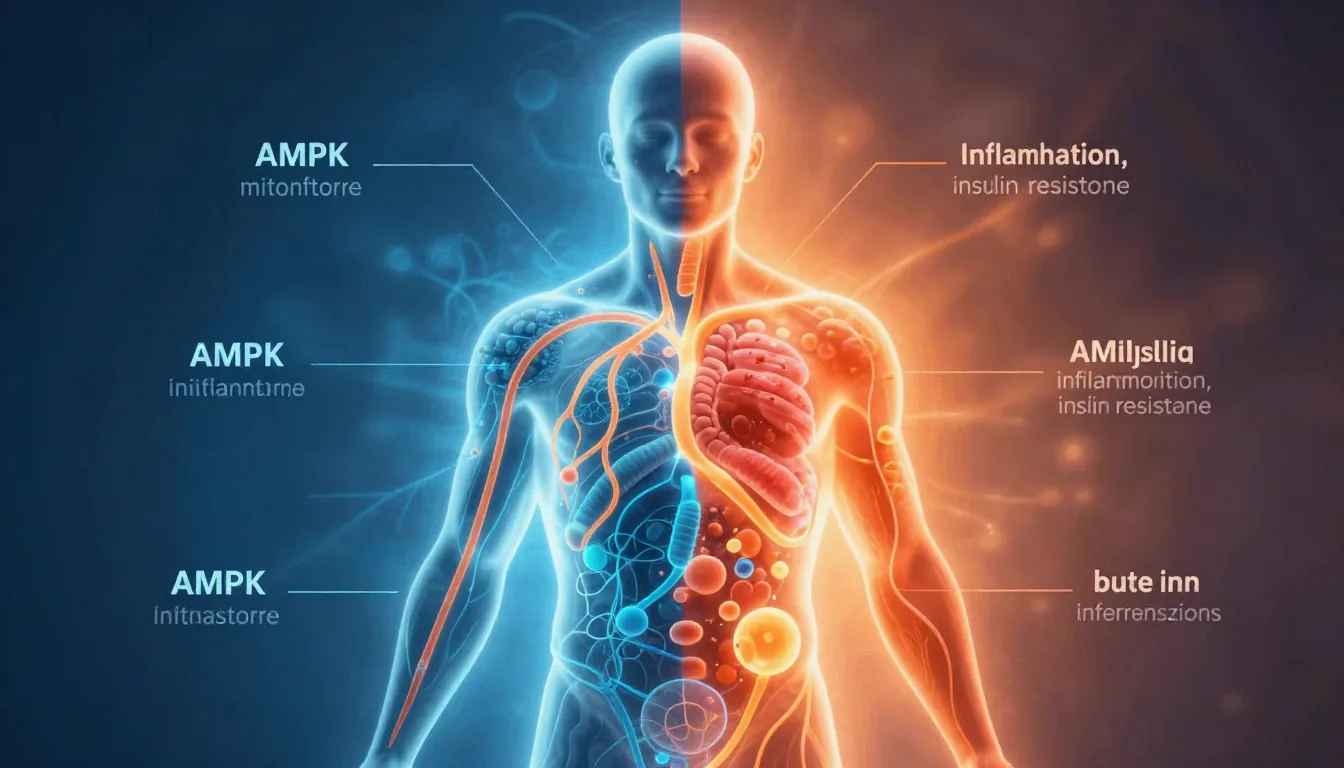
When evaluating metformin anti-aging safety, it’s essential to weigh evidence from both animal models and human studies. The drug appears to activate AMPK, a cellular energy sensor that mimics some effects of caloric restriction.
However, using any medication off-label requires careful consideration. Let’s examine the evidence for metformin’s potential to extend healthspan and the risks that come with taking it when you don’t have diabetes.
What the Science Says About Metformin and Aging
The most compelling human data comes from observational studies in diabetic patients, where metformin users often show lower rates of age-related diseases like cardiovascular issues and cognitive decline. The landmark TAME (Targeting Aging with Metformin) trial will provide more definitive data on metformin anti-aging safety in healthy populations.
Animal studies have shown that metformin extends lifespan in some species, but results are mixed. In mice, it can extend life, but the effect is stronger when started early and may depend on genetic background.
A key limitation is that most human evidence is retrospective. We need randomized controlled trials specifically in healthy older adults to confirm whether the longevity benefits translate.
Metformin’s Mechanisms That Could Slow Aging
Metformin influences several pathways tied to aging: it reduces mitochondrial reactive oxygen species, improves autophagy, and lowers circulating insulin. These actions may collectively promote cellular maintenance.
It also alters the gut microbiome in ways that could influence metabolism and inflammation. Some researchers argue that metformin’s benefits may come more from these secondary effects than from direct anti-aging action.
- AMPK activation: Mimics caloric restriction and enhances energy utilization.
- Improved insulin sensitivity: Reduces hyperinsulinemia, a driver of aging.
- Reduced inflammation: Lowers markers like TNF-alpha and IL-6.
- Autophagy enhancement: Promotes cellular cleanup of damaged components.
Who Might Benefit from Taking Metformin?
The most likely candidates are those with early signs of metabolic dysfunction, such as slightly elevated fasting glucose, prediabetes, or a family history of type 2 diabetes. In these individuals, metformin can address an existing imbalance and potentially delay disease progression.
For perfectly healthy, metabolically normal individuals, the risk-benefit calculus changes. While the drug is generally well-tolerated, side effects like gastrointestinal distress, vitamin B12 deficiency, and rare lactic acidosis are real concerns.
One aspect of metformin anti-aging safety is the potential for vitamin B12 deficiency with long-term use.
Some experts suggest that metformin may be most effective when combined with lifestyle interventions—diet, exercise, sleep optimization—rather than used as a standalone pill. It is not a substitute for healthy habits.
Potential Side Effects and Risks
Common side effects include nausea, bloating, and diarrhea, which often improve over time. Long-term use can lower B12 levels, leading to neuropathy or cognitive issues if untreated.
The most serious risk is lactic acidosis, though this is extremely rare in people with normal kidney function. Kidney function must be monitored regularly while on metformin.
Because metformin lowers blood glucose, healthy individuals may experience hypoglycemia if they skip meals or exercise heavily without adjusting food intake. This can cause dizziness, confusion, or fainting.
Practical Recommendations for Healthy People Considering Metformin
Before considering metformin, get comprehensive blood work including fasting glucose, insulin, HbA1c, kidney function, and liver enzymes. Discuss your personal health goals and risk factors with a knowledgeable healthcare provider to assess metformin anti-aging safety for your specific profile.
If you decide to proceed, start with a low dose (e.g., 250–500 mg per day) and titrate slowly to minimize GI side effects. Monitor B12 levels annually and consider supplementation if levels drop.
Remember that metformin is not FDA-approved for anti-aging. It is an off-label use that should be part of a broader strategy including nutrition, physical activity, sleep, and stress management.
In summary, metformin anti-aging safety remains a topic of active investigation, and for those without metabolic issues, the benefits may be modest at best.
For additional context, explore more about longevity interventions in our Health & Wellness archive. For the latest on metformin and aging, see the TAME trial page and PubMed research updates.