
Understanding Chronic Inflammation and Its Impact
Chronic low-grade inflammation is a silent contributor to many age-related diseases. It drives heart disease, cognitive decline, and metabolic issues. The good news is that you can reduce inflammation with targeted interventions backed by rigorous science.
This article outlines eight proven strategies to help you lower inflammation and support healthy aging. Each approach is grounded in peer-reviewed research and practical implementation.
Start with one or two changes that fit your lifestyle.
Dietary Changes to Reduce Inflammation
Embrace a Mediterranean-Style Eating Pattern
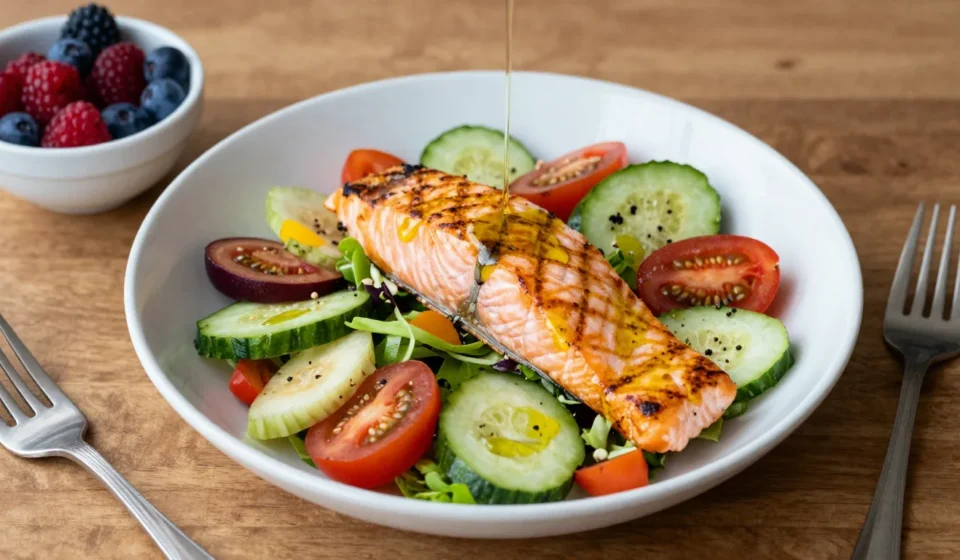
A Mediterranean diet rich in fruits, vegetables, whole grains, olive oil, and fatty fish is one of the most effective anti-inflammatory approaches. Studies show this pattern lowers markers like C-reactive protein (CRP) and interleukin-6 (IL-6).
Aim for at least two servings of oily fish per week and drizzle extra virgin olive oil over salads.
Moderate red wine consumption may also provide polyphenols that fight inflammation. However, limit intake to one glass per day for women and two for men.
This eating pattern also supports heart health and weight management.
Incorporate More Fiber and Polyphenols
Fiber from beans, oats, and berries feeds beneficial gut bacteria that produce anti-inflammatory compounds. Polyphenols in berries, dark chocolate, and green tea inhibit inflammatory pathways. Research published in Nature Reviews Gastroenterology & Hepatology highlights the role of dietary polyphenols in modulating inflammation.
Including resistant starch from green bananas or cooked and cooled potatoes can further boost fiber intake. Aim for at least 25 grams of fiber daily.
This simple shift can significantly lower systemic inflammation over time.

Supplement Support for Inflammation Control
Consider Omega-3 Fatty Acids
Omega-3s from fish oil or algae—specifically EPA and DHA—are powerful inflammation fighters. A meta-analysis in The Journal of Nutrition found that supplementation significantly reduced inflammatory cytokines. Aim for 1–2 grams of combined EPA/DHA daily, but consult your healthcare provider first.
Higher doses may be needed for therapeutic effects in autoimmune conditions. Look for third-party tested brands to ensure purity and potency.
Omega-3s also benefit brain and heart health.
Explore Curcumin with Bioavailability Enhancers
Curcumin, the active compound in turmeric, inhibits multiple inflammatory pathways. Its poor absorption can be overcome by combining it with piperine (black pepper extract).
A systematic review suggests 500–1000 mg of curcumin with piperine can lower CRP and TNF-alpha levels.
Adding curcumin to your routine is a practical way to further reduce inflammation. Consider it as a spice in cooking or a supplement.
Always choose formulations with bioavailability enhancers for best results.
Lifestyle Modifications That Lower Inflammation
Prioritize Quality Sleep
Skimping on sleep triggers an increase in inflammatory markers like IL-6 and CRP. Aim for 7–9 hours of uninterrupted sleep per night.
Establishing a consistent bedtime routine and reducing blue light exposure before bed can support deeper sleep.
A dark, cool room also promotes restorative rest. Poor sleep is linked to higher inflammation and disease risk.
Make sleep a non-negotiable part of your health routine.
Engage in Regular Moderate Exercise
Regular physical activity reduces visceral fat and lowers inflammatory cytokines. A 30-minute brisk walk five times per week is sufficient.
Avoid overtraining, as extreme endurance exercise can temporarily increase inflammation.
Balance is key to using exercise to reduce inflammation. Incorporating high-intensity interval training once a week can add variety.
Always listen to your body and adjust intensity as needed.
Manage Stress with Mindfulness
Chronic stress keeps cortisol levels elevated, promoting inflammation. Mindfulness-based stress reduction (MBSR) has been shown to decrease CRP and gene expression of pro-inflammatory markers.
Even 10 minutes of daily meditation can help reduce inflammation.
Simple breathing exercises—like 4-7-8 breathing—can also calm the stress response. Consistent practice yields long-term benefits.
Pair mindfulness with social connection for added support.
Limit Exposure to Environmental Toxins
Pollutants, pesticides, and cigarette smoke can trigger inflammatory responses. Use air purifiers, choose organic produce when possible, and avoid smoking. A 2019 study in American Journal of Epidemiology linked air pollution to elevated inflammatory biomarkers.
Minimizing toxin exposure is another effective way to reduce inflammation. Consider a water filter to reduce contaminants.
Small changes in your environment can have a big impact on inflammation levels.
By incorporating these eight strategies—starting with one or two that resonate most—you can effectively reduce inflammation and support long-term health. Always consult a healthcare professional before making significant changes to your diet or supplement routine. For more tips on optimizing your wellness, explore our Health & Wellness resources.