
The Zero-Waste Kitchen Budget: Why It’s Affordable
The Sustainability & Ecology movement often feels pricey, but a zero-waste kitchen budget is achievable. You don’t need fancy gadgets or bulk-buy memberships to start reducing waste. Simple, everyday swaps can cut your trash and your grocery bill simultaneously.
This zero-waste kitchen budget approach proves you can go green without going broke. Many people assume zero-waste living requires expensive stainless steel containers or organic everything.
In reality, the most impactful changes are often free or cost-saving.
Step 1: Audit Your Current Waste
Before buying anything, take a week to observe what you throw away. Is it mostly food scraps, plastic packaging, or paper towels?
Understanding your waste stream helps you target the biggest problems first.
A simple notebook or note app works fine. You’ll likely notice patterns—like buying pre-packaged snacks or using disposable bags for produce. This awareness is the foundation of your zero-waste kitchen budget plan.
What to Look For
- Food waste: spoiled veggies, leftovers, expired items.
- Packaging: plastic wrap, bags, containers from takeout.
- Single-use items: paper towels, napkins, coffee filters.
Step 2: Reuse Before You Replace
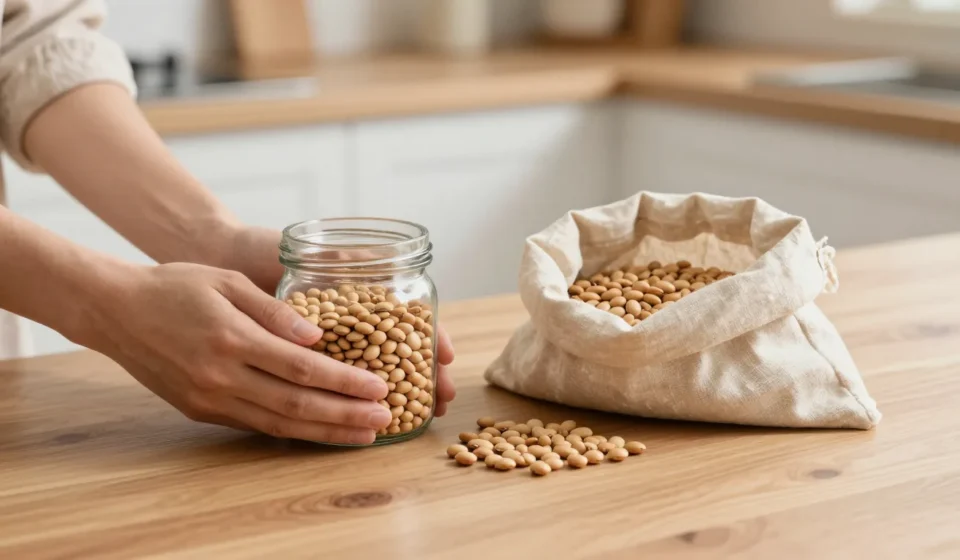
The greenest product is the one you already own. Raid your kitchen for existing containers like glass jars, takeout tubs, and bread bags.
They can store dry goods, leftovers, or bulk items.
Repurposing these items is a foundation of a zero-waste kitchen budget. For example, use a wide-mouth mason jar as a drinking glass or to store chopped herbs.
This step alone cuts spending on new containers.
Step 3: Swap Disposables for Reusables—Cheaply
Expensive beeswax wraps aren't necessary. Start with cheap alternatives: use plates as lids for bowls, or cover food with a clean cloth.
For produce bags, old pillowcases or mesh laundry bags work perfectly.
If you want to invest, thrift stores often have glass storage sets for a few dollars. The key is to buy secondhand or use what you have before purchasing new. This keeps your zero-waste kitchen budget intact.
Step 4: Master Smart Food Storage
Proper storage extends shelf life and reduces spoilage. Store herbs in water on the counter, keep potatoes away from onions, and put tomatoes stem-side down.
Use cloth bags for bread instead of plastic.
These storage hacks are essential for a zero-waste kitchen budget. Freeze leftovers in reusable silicone bags or jars.
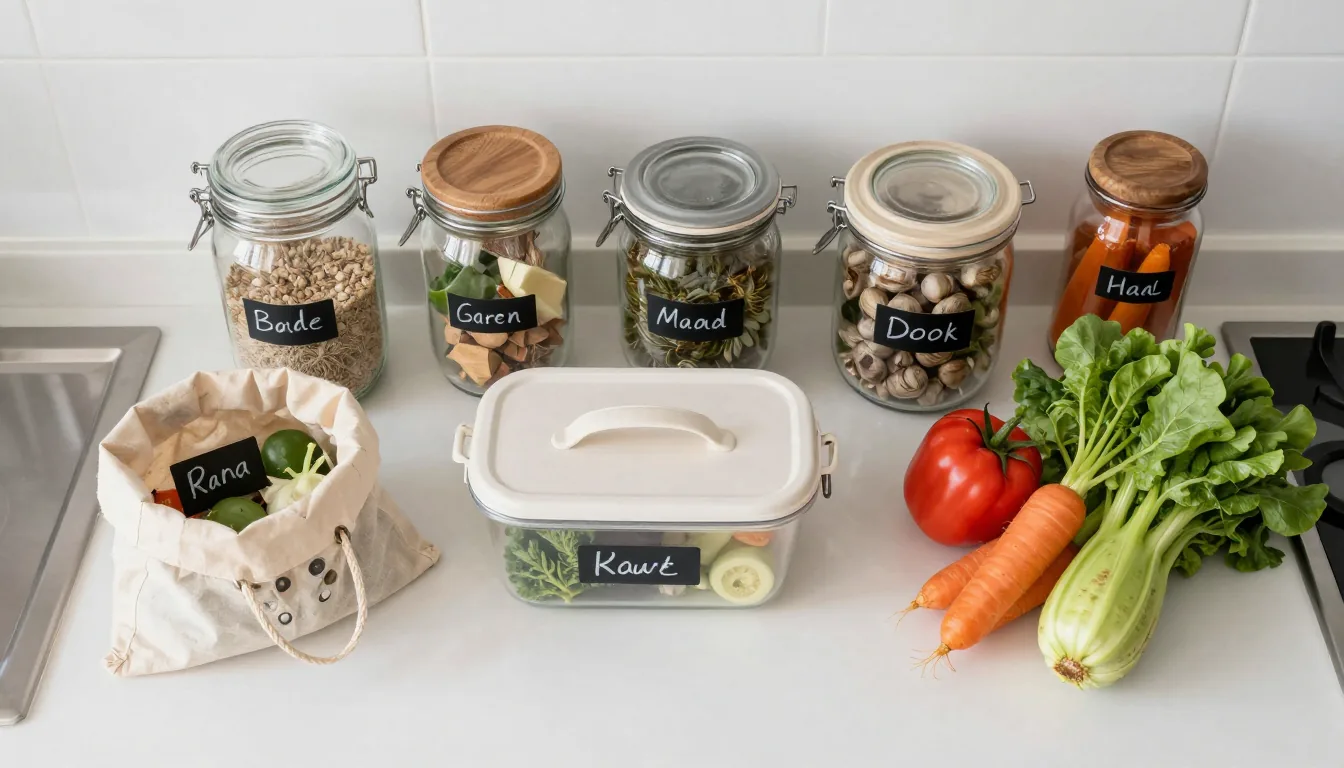
Label with washi tape and permanent marker. These small habits prevent waste without costing a dime.
Storage Hacks That Save Money
- Store leafy greens with a paper towel in a sealed container.
- Keep apples in the fridge to last weeks longer.
- Revive wilted veggies by soaking in ice water.
Step 5: Buy in Bulk Without a Membership
Many grocery stores offer bulk bins for grains, nuts, and spices. Bring your own containers (bags or jars) and tare them at the scale.
This eliminates packaging and lets you buy exactly what you need.
Bulk buying is a key strategy for any zero-waste kitchen budget. You don't need a Costco membership; look for local co-ops or health food stores.
Even regular stores often have bulk sections. Compare unit prices—bulk is usually cheaper.
Step 6: DIY Staples and Cleaners
Make your own vegetable broth from scraps, vinegar-based cleaner, or bread crumbs from stale bread. These practices cut waste and grocery bills.
For example, baking soda and vinegar clean most kitchen surfaces.
Making your own cleaners fits perfectly with a zero-waste kitchen budget. Compost fruit and veggie scraps if you have space, or freeze them for stock.
Even without a garden, many cities have community compost drop-offs. This step closes the loop on food waste.
Step 7: Plan Meals and Shop Smart
Meal planning prevents overbuying and impulse purchases. Check your pantry first, then make a list of what you need.
Stick to the list to avoid extra packaging and wasted food.
Shop at farmers markets with reusable bags. Build meals around what's on sale or in season.
This approach naturally reduces waste while saving up to 20% on food costs.
For more inspiration, check out this budget-friendly zero-waste guide and Kitchn’s practical tips.
Start Small, Save Big
Transitioning to a zero-waste kitchen doesn't require perfection. Each swap, from reusing a jar to buying bulk, reduces your environmental footprint and saves money.
Remember, the best change is one you can sustain.
By focusing on these seven steps, you'll build habits that last. Your kitchen can become a beacon of sustainability without straining your wallet.
Start today with one small swap and watch the waste disappear.