

Training While Sore: Listen to Your Body, Not Your Ego
Training while sore is a common dilemma for athletes. Soreness indicates muscle damage, but it doesn't always mean you should stop.
Differentiate between discomfort and injury: sharp pain means stop, general ache means proceed with caution.
Training while sore demands honesty. If your form breaks down because of fatigue, you risk injury.
Scale back intensity or switch to a different movement pattern.
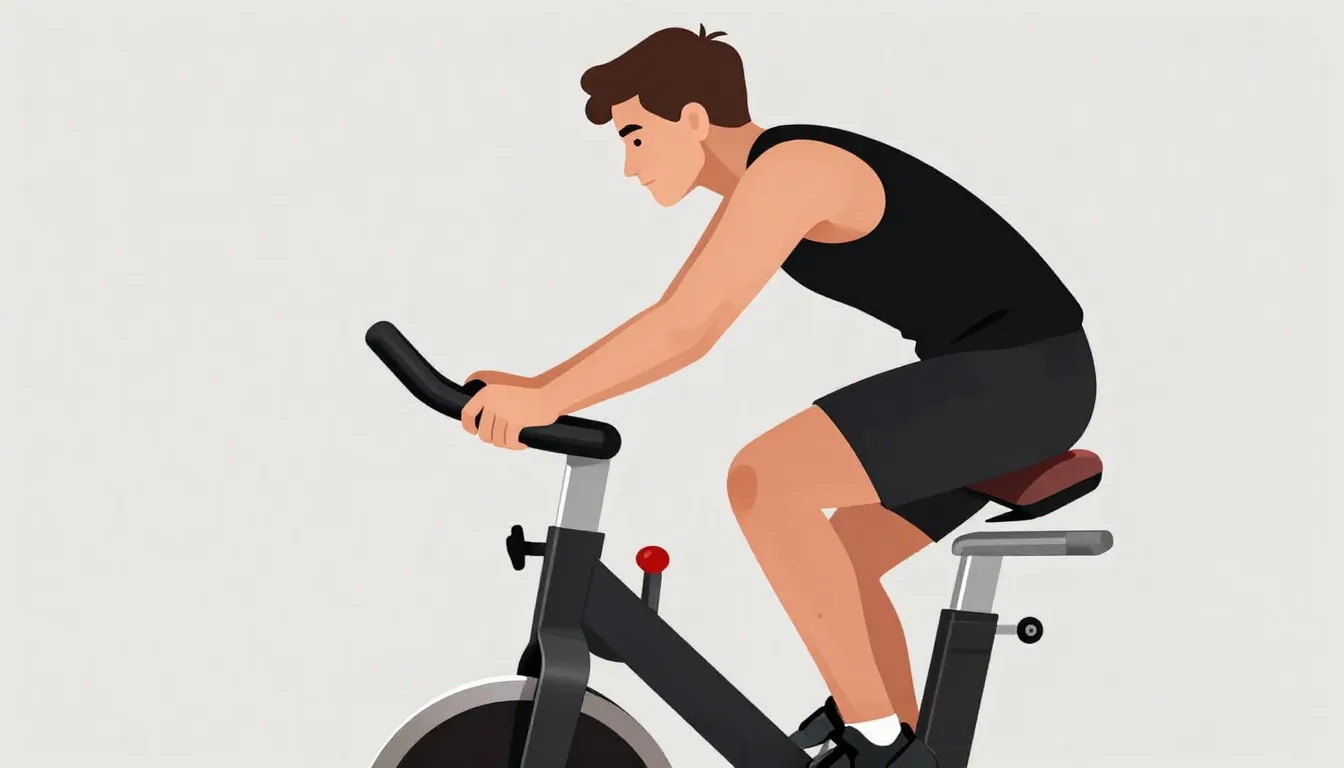
Active Recovery: The Smart Way to Keep Moving
Low-Intensity Cardio
When managing soreness, low-impact activities like walking, cycling, or swimming at a conversational pace boost blood flow without adding stress. Ten to twenty minutes is enough to reduce stiffness.
This is active recovery, not a workout.
Mobility Drills and Stretching
Dynamic stretching or foam rolling can improve range of motion. Focus on the sore muscle groups, but avoid aggressive deep tissue work.
Hold stretches for 20-30 seconds.
Foam Rolling Techniques
Foam rolling helps release trigger points in sore muscles. Use slow, controlled movements over tight areas.
Avoid rolling directly on joints.
Intensity Adjustments for Sore Muscles
If your legs are wrecked from squats, don't deadlift heavy the next day when you're feeling sore. Instead, use lighter loads (50-60% of normal) and higher reps.
This technique, known as deloading, maintains stimulus while allowing recovery.
Alternatively, train opposing muscle groups. If your chest is sore, work your back.
This gives one area time to repair while you still hit the gym.
Use a rating of perceived exertion (RPE) of 5-6 out of 10 when training with sore muscles. This ensures you’re not overloading the muscles.
When to Rest: The Non-Negotiable Rule
If soreness limits your range of motion significantly, skip that muscle group entirely. Forcing a squat when you can't reach parallel is asking for injury.
Take an extra rest day or do a full-body light session.
Also, if you feel mentally drained or have systemic fatigue, rest. Your body needs sleep and nutrition to rebuild. Fitness & Sports experts emphasize that recovery is when gains happen.
Nutrition and Hydration: Speed Up Recovery
Protein Timing
Consume 20-40 grams of protein within two hours post-workout to jumpstart repair. Leucine-rich sources like whey, chicken, or eggs are best.
Spread protein intake across the day.
Hydration
Water flushes metabolic waste from sore muscles, so aim for half your body weight in ounces daily. Add electrolytes if you sweat heavily. For more details on hydration, check out this guide from Healthline.
Sleep for Recovery
Sleep is when your body repairs damaged tissue. Aim for 7-9 hours per night when training while sore.
Poor sleep can increase inflammation and prolong soreness.
The Science Behind Soreness
Delayed onset muscle soreness (DOMS) peaks 24-72 hours after training. It results from microscopic tears and inflammation.
Research shows that light activity can reduce perceived soreness, but does not speed full recovery. A study from PubMed confirms that compression garments may help, but sleep remains the top recovery tool.
Your body adapts over time. Consistent training reduces soreness frequency.
If you're always sore, your program likely lacks structure.
Adjust volume and intensity accordingly.
Common Mistakes When Managing Soreness
Ignoring pain that is sharp or centered on a joint indicates injury, not soreness. When training while sore, a proper warm-up increases blood flow and reduces stiffness.
Overtraining the same muscle group without 48 hours of recovery hinders progress.
Final Word: Train Smart, Not Stupid
Pushing through soreness can build toughness, but only if you respect the signals. Use these rules to gauge each session; some days you smash it, some days you back off.
That's how progress happens.
Remember: training while sore is a balancing act. Master it, and you’ll never waste a day in the gym again.