
The Science Behind Cold Exposure
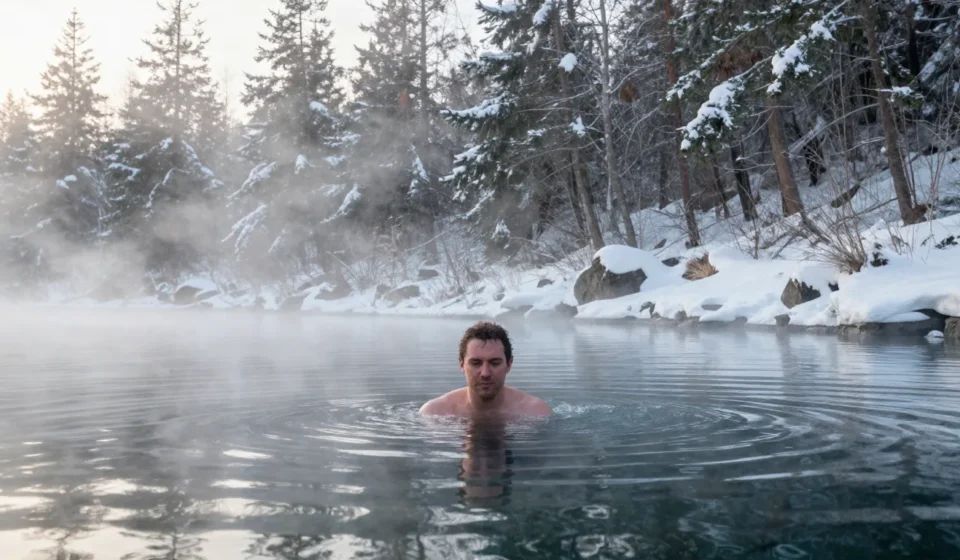
Cold exposure triggers a hormetic stress response that activates cellular repair pathways, offering numerous cold plunge benefits. This adaptive mechanism reduces systemic inflammation by lowering pro-inflammatory cytokines like IL-6 and TNF-α.
Research shows that regular cold water immersion can decrease chronic low-grade inflammation, a key driver of aging and disease.
Another fascinating effect is the activation of brown adipose tissue (BAT). Cold temperatures stimulate BAT to generate heat through non-shivering thermogenesis, boosting calorie expenditure and improving metabolic health.
This process also enhances glucose uptake, offering potential benefits for insulin sensitivity.
Beyond physical changes, cold plunges build mental resilience. The initial shock activates the sympathetic nervous system, followed by a rewarding parasympathetic rebound.
This cycle trains your stress response, increasing vagal tone and promoting emotional regulation over time.
Health Benefits of Cold Water Immersion
Improved circulation is a standout cold plunge benefit. Cold constricts blood vessels, then rewarming causes vasodilation—a vascular workout that strengthens endothelial function.
This may lower blood pressure and support cardiovascular health.
Mood enhancement is another cold plunge benefit backed by research. Cold exposure boosts dopamine levels by 250% and sustains elevation for hours, according to studies.
Many practitioners report reduced anxiety and a sense of invigoration after a plunge.
Immune function gets a lift too, adding to the list of cold plunge benefits. Regular cold-water swimmers have fewer respiratory infections, likely due to increased white blood cell count and anti-inflammatory effects.
These cumulative advantages make cold plunge benefits compelling for overall wellness.
Risks and Safety Precautions
Cold plunging is not without risks. Hypothermia can occur if water temperature is too low or duration too long.
Symptoms include shivering, confusion, and loss of coordination—never push through these signs.
Individuals with cardiovascular conditions, hypertension, or pregnancy should consult a doctor first. The cold shock response can spike heart rate and blood pressure acutely.
Always start gradually and avoid plunging alone.
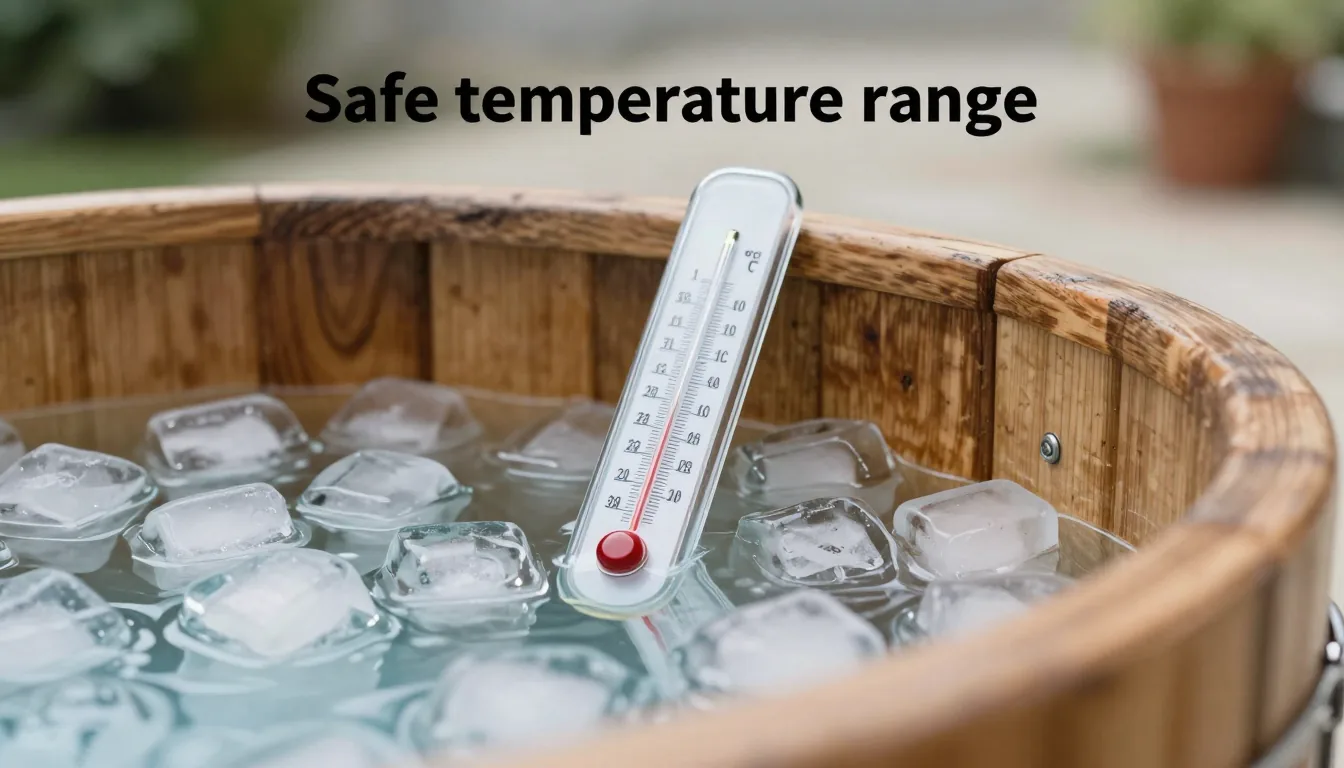
To minimize danger, use a thermometer to keep water between 50–60°F (10–15°C) initially. Limit your first session to 30 seconds to 2 minutes, then increase slowly.
Breathing techniques like the Wim Hof method can help manage the initial gasp reflex.
How to Start Cold Plunging: A Safe Protocol
Begin with a warm shower, then gradually reduce the temperature. Once comfortable, transition to a cold bath or plunge.
Keep hands and feet moving to prevent numbness and maintain circulation.
Focus on slow, deep breaths during the first minute. This calms the nervous system and reduces the shock response.
After the plunge, warm up naturally with movement and dry clothing—avoid hot showers for at least 10 minutes to maximize metabolic benefits.
Aim for 2–4 sessions per week. Consistency is more important than duration.
Listen to your body: if you feel intense pain or prolonged shivering, stop and warm up immediately. Over time, you can extend sessions to 5–10 minutes as adaptation occurs.
Start with a shorter duration and gradually increase it each week to let your body adapt. This progressive approach minimizes shock and builds tolerance.
Maximizing Cold Plunge Benefits
To optimize results, pair cold plunges with breathwork and mindful awareness. The combination enhances parasympathetic activation and deepens resilience.
Many enthusiasts also combine cold exposure with exercise for synergistic anti-inflammatory effects.
Track your progress: note mood, energy levels, and recovery after each session. Some research suggests morning plunges may boost alertness, while evening plunges can improve sleep architecture.
Experiment to find what suits your body.
Remember, cold plunging is a practice, not a one-time fix. Patience and gradual progression unlock the full spectrum of cold plunge benefits while keeping risks low.
For a broader perspective on wellness, explore our Health & Wellness archive. For more on the science, see this study on cold adaptation and Huberman Lab’s cold exposure episode. Always prioritize safety and consult a professional when in doubt.