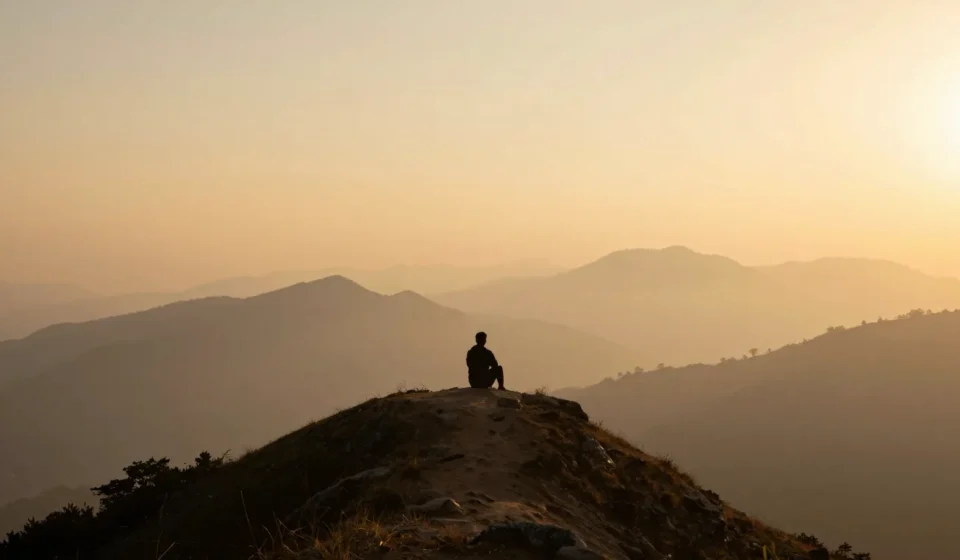

Why Modern Life Fears Being Alone
In a world buzzing with notifications and endless social demands, the art of being alone has become a forgotten skill. Yet intentional solitude benefits your mind and spirit in ways that constant connection cannot offer.
This practice is not about isolation; it’s about intentional presence with yourself. By reclaiming moments of quiet aloneness, you open the door to deeper self-awareness and inner peace.
Loneliness is a hunger for connection, but solitude is a feast of self-discovery. Those who master solitude gain a reservoir of calm that sustains them through chaos.

The Psychological Gifts of Intentional Solitude
Clarity Emerges Without Distraction
When you step away from external noise, your mind untangles its own knots. Unresolved thoughts surface, offering perspective on challenges that once felt overwhelming.
Neuroscience confirms that periods of silence allow the brain to consolidate memories and process emotions. Without constant input, your default mode network activates, fostering creativity and problem-solving.
A fifteen-minute silent walk can reveal answers that hours of busyness hide. This cognitive reset is one of the most underappreciated gifts of solitude.
Creativity Flourishes in Silence
Many artists and innovators have used quiet time to spark breakthroughs. When you allow your mind to wander, it connects disparate thoughts in novel ways.
Without the pressure of social expectations, your authentic creative voice emerges. Solitude provides the incubation space for innovation to grow naturally.
Schedule regular quiet sessions to unlock your creative potential. You’ll be surprised by the ideas that arise from stillness.
Emotional Regulation Strengthens
Being alone invites you to sit with feelings rather than escape them. You learn to observe emotions like passing clouds, building resilience and self-compassion.
This emotional maturity is a cornerstone of personal growth. Practicing solitude teaches you that discomfort is temporary, and you become less reactive.
The skill of being your own anchor is invaluable in a distracted world. Each moment of solitude strengthens your inner steadiness.
Spiritual Dimensions of Intentional Solitude Benefits
Across traditions, solitude has been a gateway to transcendence. Without the noise of others’ expectations, you can hear your own soul’s whisper and feel connected to something larger.
Whether through meditation, journaling, or simply staring at the sky, time alone nurtures spiritual depth. This inner richness cannot be gifted by any relationship.
It is not about religious doctrine but about feeling whole in your own presence. The spiritual rewards of intentional solitude benefits are profound and lasting.
Practical Tips for Busy Lives
Start with Micro-Moments
You don’t need a week-long retreat to cultivate solitude. Begin with two minutes of uninterrupted silence each morning, sitting without phone or agenda.
Build slowly: a solo walk during lunch, a quiet cup of tea after work. These pockets of aloneness compound into a reservoir of calm.
Consistency matters more than duration. Even five minutes daily can transform your outlook.
Create a Solitude Sanctuary
Designate a physical space—a corner chair, a park bench, a spare room—where you go only to be with yourself. Keep it clutter-free and inviting.
This space becomes a trigger for your nervous system to settle. Leave your phone behind; the temptation to scroll is the enemy of true solitude.
True aloneness requires you to tolerate the initial boredom. That is where the magic begins.
Schedule It Like a Meeting
Protect solitude as you would any important appointment. Put it in your calendar as non-negotiable time for your well-being.
If you fear missing out, remember that you are gaining the most important relationship: the one with yourself. Personal Growth flourishes when we prioritize inner silence.
The Long-Term Harvest
Those who practice regular solitude report heightened intuition, deeper relationships, and a profound sense of purpose. They show up as more authentic versions of themselves because they have done the inner work.
The intentional solitude benefits you cultivate ripple into every aspect of your life. Solitude is not selfish; it is the seedbed of generosity.
When you return to the world from these quiet moments, you bring a fuller presence. For further reading, see Psychology Today on The Power of Solitude and Greater Good Magazine: How Solitude Helps You Grow.