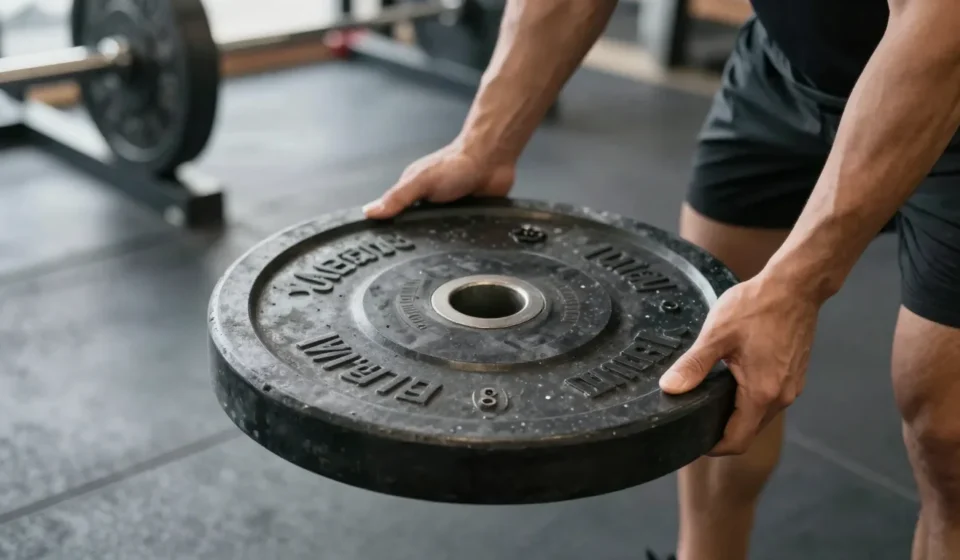

Progressive Overload Methods That Actually Work
You think progressive overload methods mean slapping five more pounds on the bar every workout. That’s a fast track to stalled lifts, wrecked joints, and zero progress. Real overload is about small, smart increments you can sustain.
Adding weight too fast crushes your form, causing you to grind and shift, which drops the muscle stimulus. You're no longer targeting the intended fibers.
Start thinking like an engineer, not a caveman.
Tracking Micro-Loads: The 1% Solution
Forget 5-pound jumps; use 1.25-pound plates instead. A 2.5-pound increase on your squat means nothing to your ego but everything to your nervous system, letting you stay in the groove and accumulate quality reps.
These progressive overload methods work because they respect your nervous system's adaptation rate. Apply this to all lifts by adding a micro-plate to the barbell or increasing dumbbells by 1 kg.
Over 12 sessions, that's 30 extra pounds without ever breaking form.
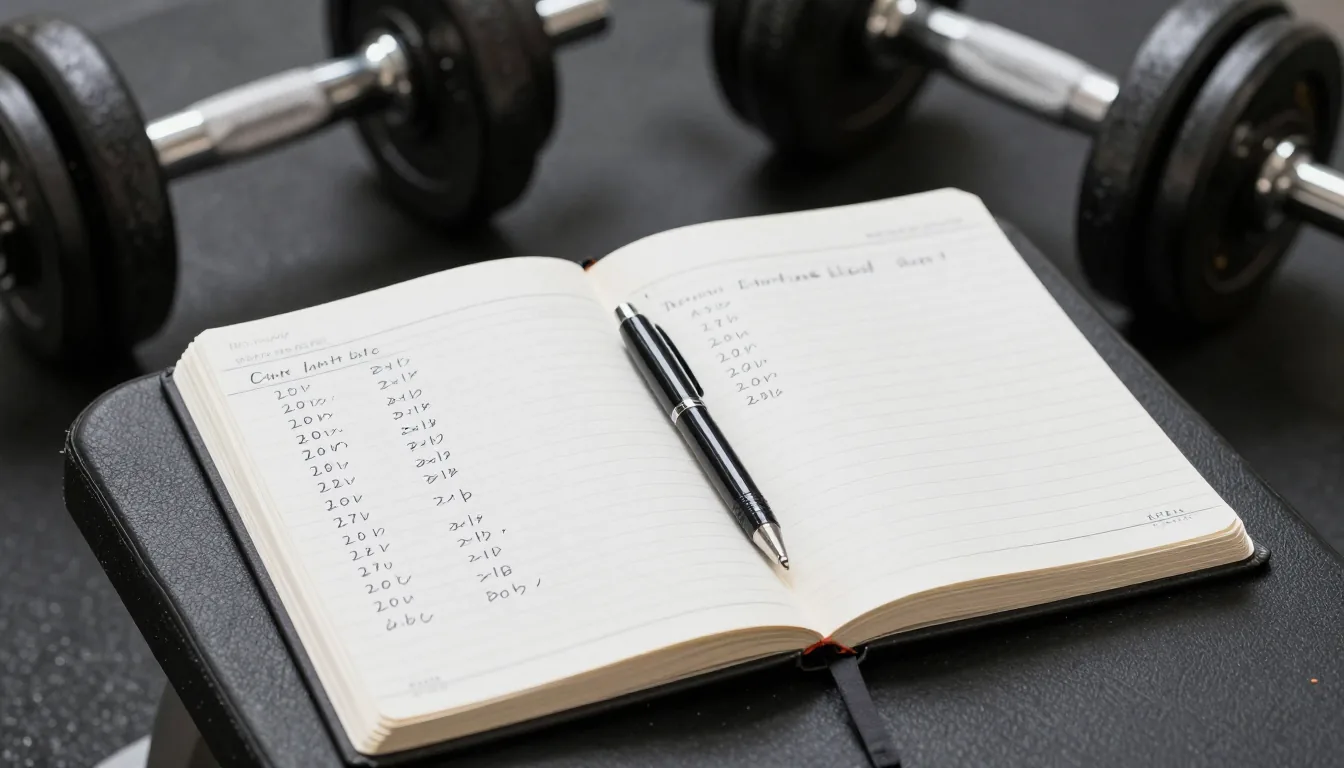
Track each increment in a logbook—pen and paper, not your phone. Consistency in recording is part of progressive overload methods that actually produce results.
Volume Adjustments for Continuous Progress
When weight stalls, Fitness & Sports research shows you can add sets or reps instead. Going from 3×8 to 4×8 on the same load increases volume by 33%. That’s a potent stimulus without the risk of a failed rep.
One of the most overlooked progressive overload methods is adding sets before increasing weight. Double progression works well: hit the top of your rep range for all sets, then add weight next session.
If you hit 4×10 on the bench, next week add 2.5 pounds; if not, stay with the same weight and fight for that tenth rep.
This approach keeps you in the sweet spot of mechanical tension and metabolic stress. It also prevents premature grinding that could compromise your technique.
Common Mistakes: Training More Than Your Reps
Many lifters misunderstand progressive overload methods, thinking only weight matters. They ignore form, recovery, and volume.
But true progress requires a holistic view.
Another mistake is chasing PRs every session. Instead, focus on a trend over weeks.
If your squat went up 5 pounds over 4 weeks, that's progress using sustainable overload methods. Your joints and connective tissues adapt slower than muscle, so micro-loads give them time to catch up.
Additionally, some people add volume too quickly, leading to systemic fatigue. They then have to deload more frequently, negating gains.
Gradual increments are key.
Consistency and Recovery: The Unsung Heroes
You don’t grow from one heroic session; you grow from 12 weeks of tiny improvements. A 0.5% weekly increase in load or volume compounds into a 30% strength gain in six months—that’s the math of progressive overload.
Stop chasing PRs every week and instead chase a trend. Recovery is equal to stimulus.
Without adequate sleep and nutrition, even the best plans fail. Plan deload weeks every 4–6 weeks to let your body absorb the work.
Think of progressive overload as a long-term investment. Each micro-load is a deposit into your strength bank.
Over months, these deposits yield impressive returns. And don't forget to adjust your training volume accordingly—if you're adding weight, you might need to reduce sets initially to manage fatigue.
In summary, progressive overload methods that focus on small increments, consistent tracking, and adequate recovery will yield long-term gains. Remember, you’re not just moving weight; you’re building a body that can handle more over decades.
Practical Steps to Implement Now
- Buy a set of micro-plates (1.25 lbs or 0.5 kg).
- Use a training log—write every set, rep, and load.
- Apply double progression on your main lifts.
- When volume plateaus, add an extra set or increase rep range.
- Track your weekly average load, not just top sets.
- Schedule regular deload weeks to manage fatigue.
These steps embody the progressive overload methods endorsed by experts. Read more from Stronger by Science on the science of load progression and a practical guide from T Nation.