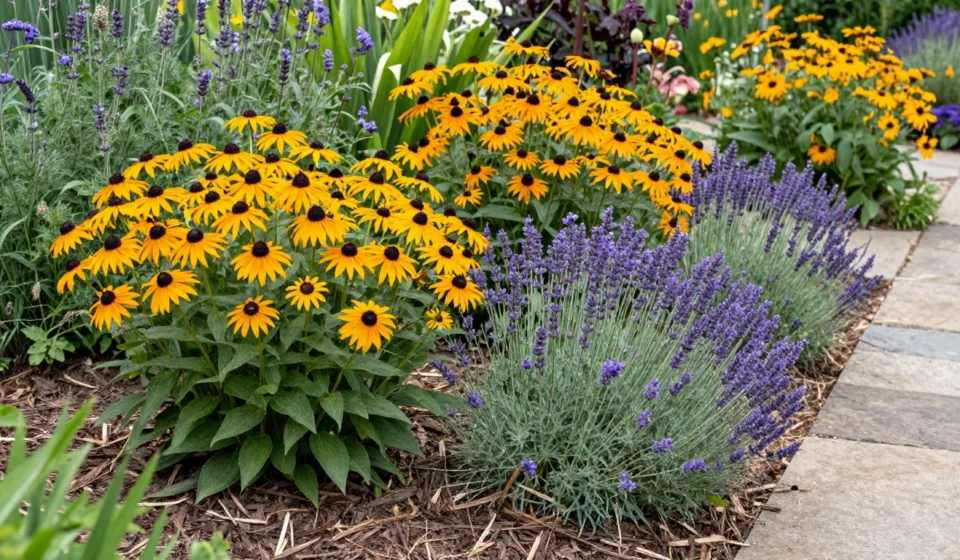

Choosing the Right Plants for a Low-Maintenance Perennial Garden
The secret to a low-maintenance perennial garden lies in selecting plants that thrive in your climate with little fuss. Native species are your best allies—they’ve adapted to local rainfall, soil, and pests.
For sun-drenched spots, consider coneflowers (Echinacea) and black-eyed Susans (Rudbeckia). In shade, hostas and ferns provide texture without constant attention.
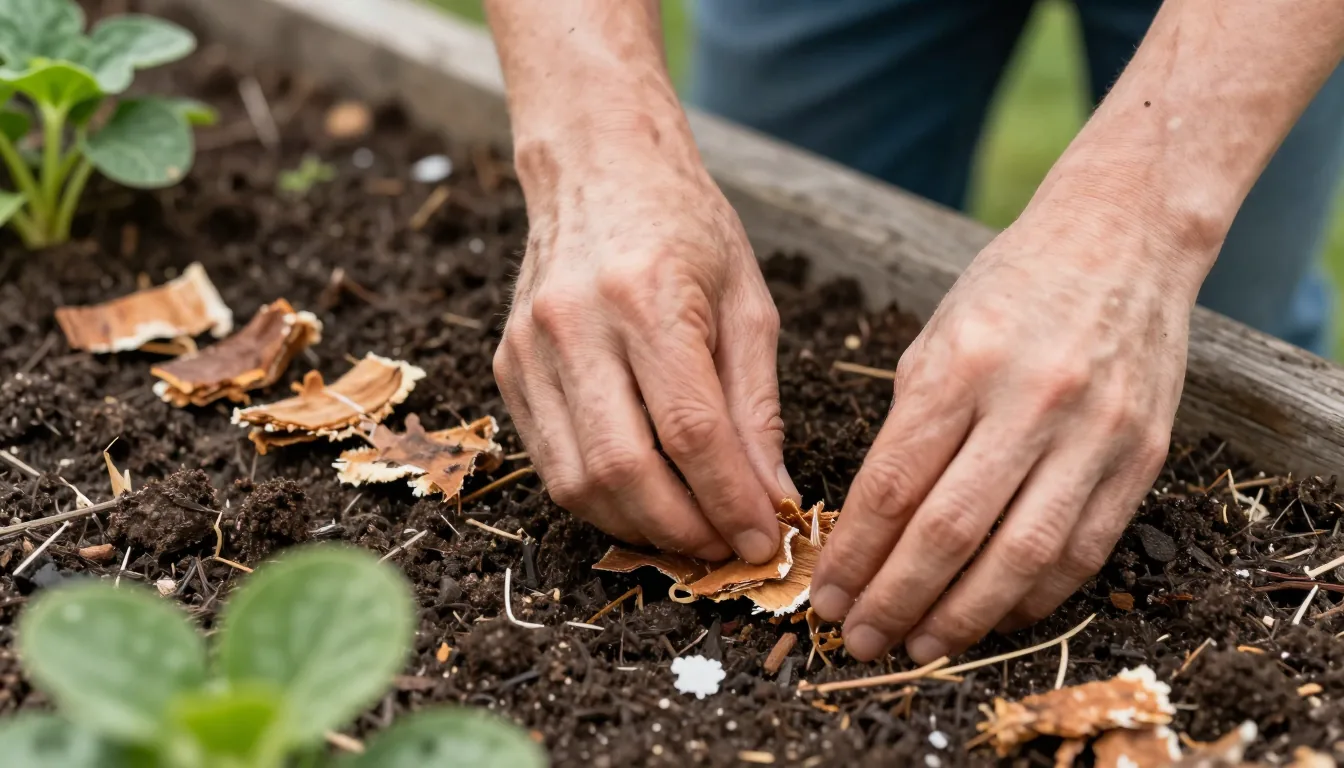
Plant Spacing for Easy Maintenance
Give each perennial room to mature—crowding leads to disease and more work. Follow spacing guidelines on tags, but consider that many perennials spread over time.
For a full look, plant in drifts of odd numbers (3, 5, 7) spaced at mature width. Use groundcovers like creeping thyme or vinca between taller plants to suppress weeds naturally.
This living mulch reduces watering and weeding, freeing your weekends. A well-planned layout cuts maintenance by half.
Minimal Care Routines That Work
Water deeply but infrequently to encourage deep roots. Soaker hoses or drip irrigation on a timer are ideal—they deliver water to roots without waste.
Mulch with 2-3 inches of shredded bark or leaves to retain moisture and smother weeds.
Fertilize sparingly. A single application of compost in spring is enough for most perennials.
Over-fertilizing produces weak growth that attracts pests.
For more tips, visit our Gardening & Nature archive.
Seasonal Pruning and Cleanup
Leave spent flower heads on for winter interest and bird food. Cut back dead stems in early spring just before new growth emerges.
This simple step reduces disease and keeps your garden tidy without extra effort.
Divide overgrown clumps every 3-4 years to rejuvenate plants and maintain vigor. Do this in early spring or fall.
It's the only major task, and it keeps your low-maintenance perennial garden thriving without replanting.
Designing for Year-Round Structure
Incorporate evergreens like ornamental grasses or dwarf shrubs for winter bones. They provide backdrop and structure when perennials go dormant.
Use paths or borders made of stone or wood to define beds and reduce edge weeding.
Group plants with similar water and sun needs together. This simplifies irrigation and ensures each plant gets what it requires.
A thoughtful design reduces your workload from the start.
Incorporate a mix of early, mid, and late bloomers to ensure continuous color from spring through fall. This variety supports pollinators and keeps your garden lively all season.
Soil Preparation and Mulching
Start with well-drained soil enriched with organic matter. Test your soil pH and adjust it for the plants you choose.
Most perennials prefer slightly acidic to neutral soil.
Apply a 2-3 inch layer of mulch after planting. This suppresses weeds, retains moisture, and moderates soil temperature.
Replenish mulch annually to maintain benefits.
Healthy soil means fewer pests and diseases, making your low-maintenance perennial garden even easier. Investing in good soil preparation upfront saves hours of work later.
Consider raised beds for better drainage if your native soil is heavy clay.
Watering Strategies
Water new plants regularly for the first season to establish roots. After that, deep watering once a week is usually sufficient.
Adjust for rainfall and soil type to avoid overwatering.
Consider using rain barrels to collect water for your garden. This eco-friendly practice reduces water bills and provides chemical-free hydration for your plants.
Seasonal Adjustments for Easy Care
In spring, inspect your garden for any winter damage. Remove dead foliage and apply a light layer of compost to feed emerging plants.
This quick start reduces the need for later fertilizing.
During summer, monitor for pests like aphids or slugs. Use a strong spray of water or introduce beneficial insects like ladybugs to keep populations in check without chemicals.
This keeps your garden healthy with minimal effort.
In fall, leave seed heads for birds and add a final layer of mulch before frost. This protects roots and provides habitat for pollinators.
Adjusting care by season makes your low-maintenance perennial garden truly easy.
Learn more about perennial care from trusted sources like the Gardener’s Supply Company and Fine Gardening.