
Natural Weed Control: The Challenge of Weeds Without Chemicals
Weeds are a constant companion for every gardener, but the urge to reach for synthetic herbicides can harm the very soil life we depend on. Natural weed control focuses on prevention and gentle removal, preserving the intricate web of microorganisms beneath our feet. By understanding weed lifecycles and using physical barriers, we can keep gardens productive without toxic residues.
Many traditional approaches, such as deep tilling, actually bring weed seeds to the surface and disrupt fungal networks. A better path involves strategies that disturb the soil as little as possible while choking out unwanted plants.
These natural weed control methods work in harmony with nature, building resilience over time.
Mulching: The Foundation of Weed Prevention
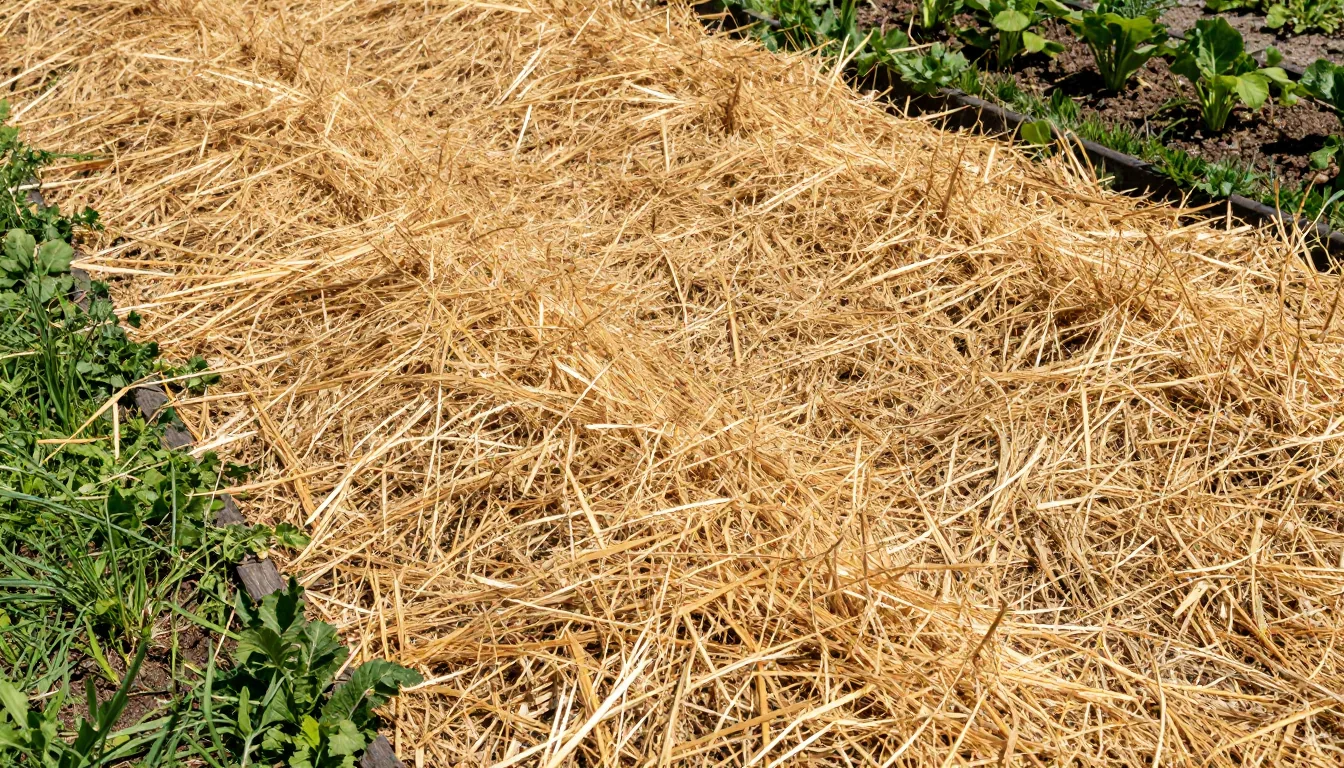
As a cornerstone of natural weed control, a thick layer of organic mulch—straw, wood chips, or shredded leaves—blocks sunlight from reaching weed seeds. As it decomposes, it feeds earthworms and beneficial bacteria.
Apply at least 3–4 inches deep around established plants, keeping mulch a few inches away from stems to prevent rot.
Choosing the Right Mulch Material
Not all mulches are equal. Straw from oats or wheat is light and breaks down slowly, while grass clippings add nitrogen but mat easily.
Cardboard or newspaper layered under wood chips creates an even more impenetrable barrier. Avoid dyed mulches that may contain contaminants.
Hand-Pulling and Hoeing: Timing Is Everything
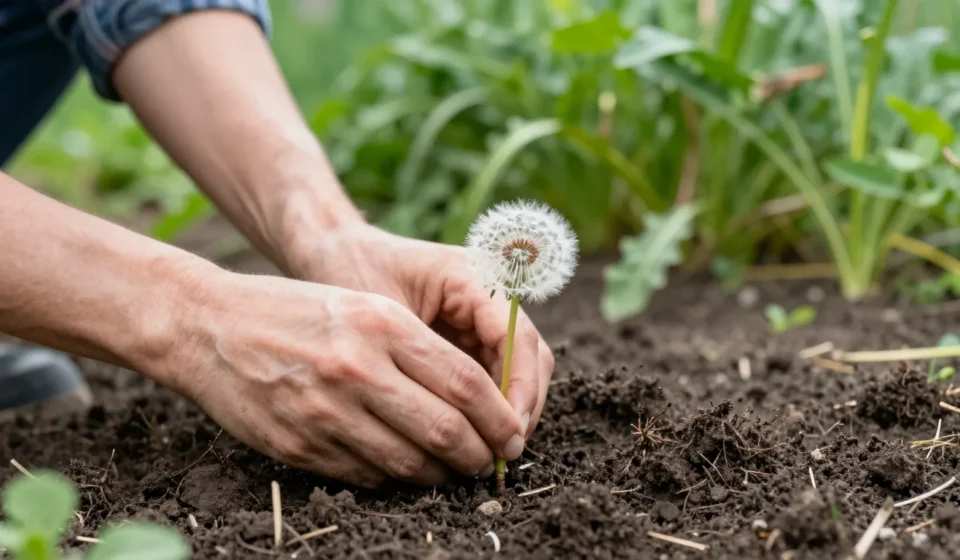
This hands-on natural weed control method is effective for persistent weeds like dandelions or bindweed. The key is to pull when the soil is moist after rain—roots come out easier, reducing regrowth.
Use a sharp hoe to slice seedlings just below the surface on a dry, sunny day so they desiccate quickly.
Tools That Make the Job Easier
A collinear hoe or a stirrup hoe allows you to work without stooping, protecting your back. For taproots, a weeding knife or dandelion digger extracts the entire root.
Consistency matters: spending 10 minutes daily prevents weeds from going to seed.
Corn Gluten Meal: A Pre-Emergent Ally
Corn gluten meal, a byproduct of corn processing, releases organic compounds that inhibit root formation in germinating seeds. It is a popular natural weed control pre-emergent.
Sprinkle it on garden beds in early spring before weed seeds sprout. It also adds a small amount of nitrogen to the soil.
Be aware that corn gluten affects all seeds, so avoid using it where you plan to sow vegetables or flowers directly. It works best in established lawns or around transplants.
For best results, apply when the soil temperature reaches 50–55°F.
Solarization: Using the Sun’s Power
Solarization involves covering moist soil with clear plastic during the hottest weeks of summer. The trapped heat kills weed seeds, pathogens, and even some pests in the top few inches.
This method is ideal for preparing new garden beds or renovating overgrown areas.
Use 1–4 mil clear polyethylene, seal the edges tightly, and leave it for 4–6 weeks. Remove plastic and plant immediately after, as bare soil is vulnerable to windblown seeds.
Solarization works best in regions with high summer temperatures.
Vinegar-Based Sprays and Horticultural Vinegar
Household vinegar (5% acetic acid) offers limited control, especially on young weeds. For tougher perennials, horticultural vinegar with 20–30% acetic acid is more effective.
Spray on a sunny day, coating the leaves thoroughly. The acid burns foliage, but roots may survive, requiring repeat applications.
Caution: Horticultural vinegar can irritate skin and eyes, and it kills any plant it touches—use carefully around desirable plants. It does not persist in soil, breaking down quickly.
Flame Weeding: Heat Without Chemicals
A propane torch with a flame weeder attachment blasts weeds with intense heat, causing cell walls to burst. This works well on driveways, pathways, and between pavers.
Pass the flame quickly over the weed—you don't need to burn it completely, just enough to wilt the leaves.
Flame weeding is most effective on annual weeds less than two inches tall. Avoid use in dry, fire-prone areas or near mulch that could ignite.
Always have water nearby.
Boiling Water: Simple and Instant
Pouring boiling water directly onto weeds is perhaps the simplest natural weed control method. It’s perfect for cracks in patios or along fence lines.
The heat kills foliage and roots, though deep-rooted perennials may need multiple treatments. This method uses household waste water from cooking pasta or vegetables.
Be careful not to splash desirable plants, and avoid using salty water, which can accumulate in soil. Boiling water has no residual effects and is safe for pets and children after it cools.
Building a Weed-Resistant Garden Ecosystem
Ultimately, the best defense against weeds is a dense, healthy garden. Plant cover crops like buckwheat or clover to smother weeds during fallow periods.
Design beds with tight spacing and use groundcovers to leave no open soil. Encourage biodiversity—beneficial insects and birds consume weed seeds.
For more tips on nurturing your garden naturally, explore our Gardening & Nature section. To deepen your understanding of soil biology, visit the USDA Soil Health page or learn from Rodale Institute.