
Why You Can Successfully Grow Herbs Indoors Even with Low Light
Many home cooks dream of having fresh basil, mint, or parsley year-round, but they worry their windowsills don't get enough sun. The truth is, you can grow herbs indoors even with minimal natural light—if you choose the right species and use smart growing techniques.
This guide will show you how.
In fact, with a few simple adjustments, anyone can grow herbs indoors without expensive equipment. The key lies in selecting herbs that naturally thrive in partial shade.
Plants like mint, chives, and parsley evolved under forest canopies and are perfectly adapted to low-light conditions. By mimicking their native environment, you can enjoy a steady supply of flavorful leaves without expensive grow lights.
Best Herbs for Low-Light Indoor Gardens
Not all herbs are equal when it comes to shade tolerance. Here are the top performers for dimmer spots:
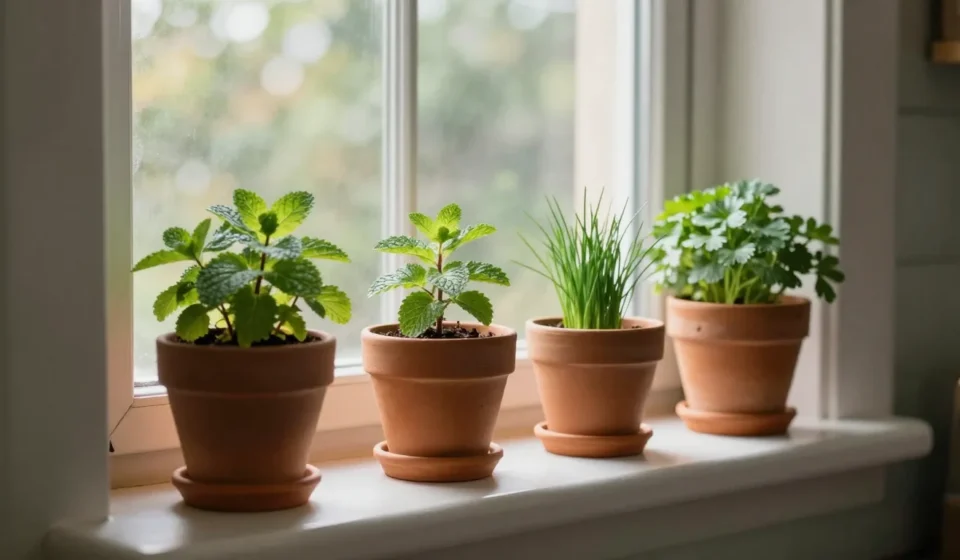
- Mint: Nearly unkillable, mint grows vigorously with just a few hours of indirect light. Keep it in a container to prevent it from taking over. Use it for teas, cocktails, or desserts.
- Chives: This hardy perennial needs as little as 3–4 hours of light per day. Snip the tops for a mild onion flavor. They are perfect as a garnish.
- Parsley: Biennial plant that tolerates low light well. It germinates slowly but then provides continuous harvest for months. It adds freshness to salads and soups.
- Cilantro: Prefers cooler, lower light conditions; it bolts quickly in strong sun. Grow it for fresh leaves and seeds. Essential in Mexican and Asian cuisine.
- Lemon balm: A member of the mint family, it thrives in partial shade and adds a citrusy note to teas. Great for calming teas.
Choose a few of these herbs to start your indoor garden. If you want to grow herbs indoors on a budget, these varieties are cost-effective and forgiving.
These herbs are easy to find in most garden centers.
Container Setup for Indoor Herb Success
Proper drainage is essential. Use pots with drainage holes and a well-aerated potting mix—avoid garden soil, which compacts indoors.
Add a layer of pebbles at the bottom to prevent waterlogging.
Using a humidity tray or grouping plants together can boost moisture levels. Choose containers that are at least 6 inches deep for most herbs.
For larger plants like mint, use a 10-inch pot.
Grouping pots together creates a microclimate that retains humidity, which many herbs love. Proper setup is crucial when you grow herbs indoors because drainage prevents root rot.
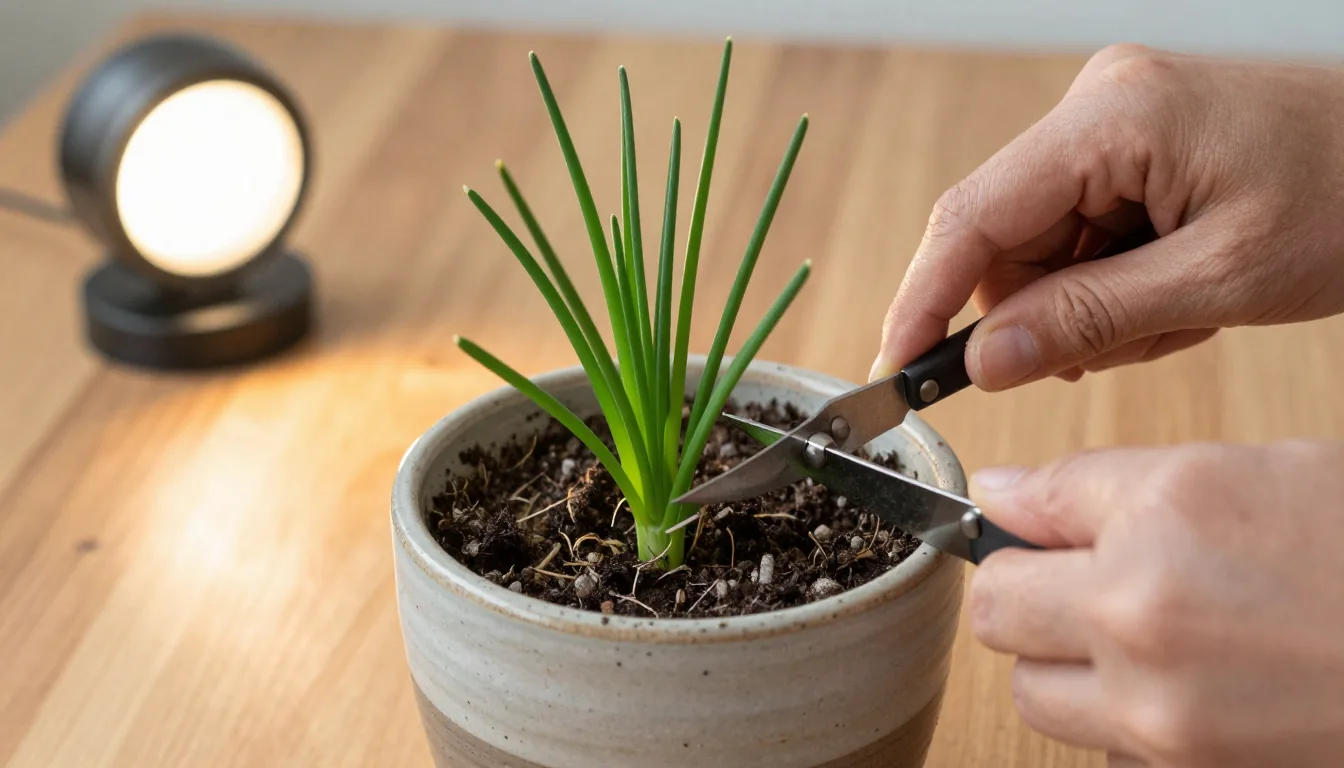
Place your herbs in the brightest window you have—south or east-facing is best. If you only have north-facing windows, supplement with a small LED grow light for 6–8 hours a day.
Even a simple desk lamp with a full-spectrum bulb can work wonders.
This ensures you can grow herbs indoors even in dim conditions. Many herbs will thrive with just a few extra hours of supplemental light.
Watering and Feeding for Continuous Harvest
Overwatering is the number one killer of indoor herbs. Check the soil moisture by sticking your finger an inch deep; water only when it feels dry.
Most herbs prefer slightly moist but not soggy soil.
When you grow herbs indoors, it is better to underwater than overwater. Using room-temperature water can prevent shock.
Feed your herbs with a diluted organic liquid fertilizer every two weeks during the growing season. In winter, reduce to once a month as growth slows.
Herbs like mint and chives are light feeders and may need even less.
The goal to grow herbs indoors continuously is to maintain a balanced feeding schedule. Adjust the frequency based on the growth rate of your herbs.
Pruning and Harvesting Tips
Regular harvesting encourages bushier growth. Always cut above a leaf node, never take more than one-third of the plant at a time.
For herbs like basil, pinch off flower buds to keep the leaves tender.
Rotate your pots every week to ensure even light exposure. Dust leaves occasionally to maximize photosynthesis.
With these practices, you can enjoy fresh herbs every day.
Harvesting and Using Your Homegrown Herbs
Once your herbs are established, you can harvest as needed. Use fresh herbs in cooking, teas, and garnishes.
Sharing with friends and family makes the effort worthwhile.
Dealing with Common Indoor Herb Pests
Indoor herbs can attract aphids, spider mites, and fungus gnats. Prevent pests by using sterile potting mix and avoiding overwatering.
If you spot insects, spray with a mild soap solution (1 teaspoon of mild liquid soap per liter of water).
Inspect new plants before bringing them indoors. Neem oil is another organic option.
Always test on a small leaf first.
Good air circulation also helps keep pests at bay—run a fan on low for a few hours daily. Check undersides of leaves regularly.
For more information on Gardening & Nature topics, explore our archive. You can also read this detailed guide from university extension on growing herbs indoors. Check out The Old Farmer’s Almanac tips as well.