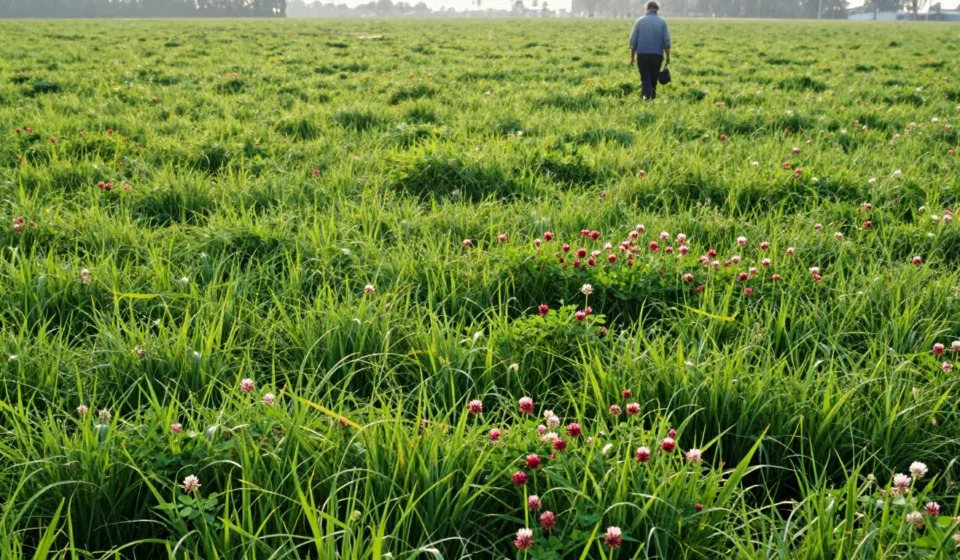

What Are Green Manure Cover Crops?
Green manure cover crops are plants grown specifically to be turned back into the soil. They are not harvested but used to improve fertility and structure.
This ancient practice mimics nature's way of building healthy ground.
These crops are usually fast-growing legumes, grasses, or brassicas. They capture nutrients, prevent erosion, and add organic matter.
Think of them as a living mulch that works underground.
Choosing the Right Cover Crop for Your Garden
Climate and season dictate which green manure cover crops thrive. Cool-season options include winter rye, hairy vetch, and crimson clover.
Warm-season choices are buckwheat, cowpeas, and sorghum-sudan.
Legumes like clover fix nitrogen from the air. Grasses such as rye build biomass and suppress weeds.
For heavy clay, use deep-rooted daikon radish to break compaction.
Legume vs. Grass Cover Crops
Nitrogen fixation is a key benefit of legumes. They partner with soil bacteria to convert atmospheric nitrogen into plant food.
Grasses, on the other hand, are efficient at capturing leached nutrients.
Mixing legumes and grasses often yields the best results. A classic combo is winter rye with hairy vetch.
This blend provides both nitrogen and bulk organic matter.
Planting Calendar for Green Manures
Timing is critical for success. In spring, sow fast-growing crops like buckwheat after the last frost.
For fall, plant winter rye or crimson clover about six weeks before the first freeze.
Summer gaps in vegetable beds are perfect for a quick cover crop. Buckwheat grows in just 30–40 days.
It smothers weeds, then you turn it under before it sets seed.
For winter protection, green manure cover crops like winter rye can be left standing as a winter mulch. They trap snow, protect soil from erosion, and die back naturally in spring.
Many organic gardeners rely on green manure cover crops as their primary fertility strategy.
Incorporating Green Manure into Soil
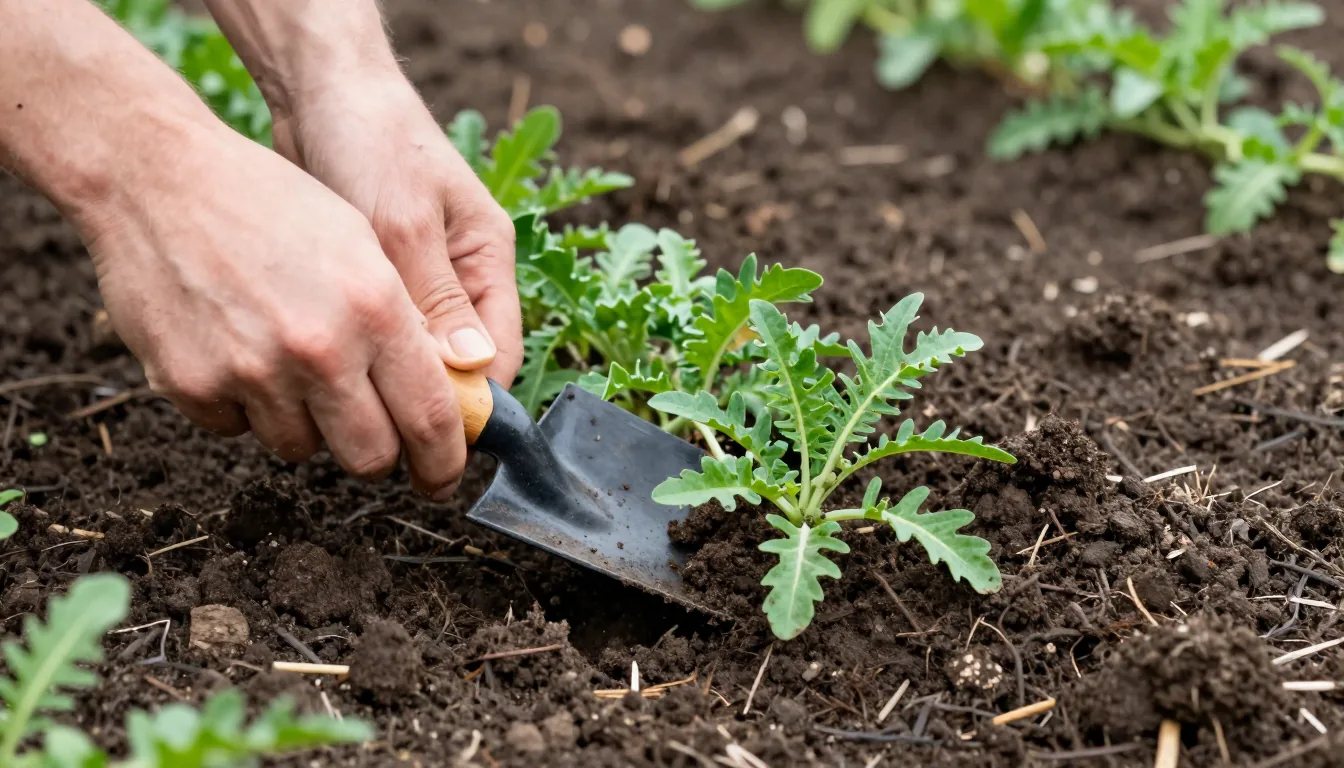
Cut down the cover crop when it begins to flower but before it goes to seed. Use a scythe, shears, or a mower.
Let the plant material wilt for a day or two.
Dig or till the green matter into the top 4–6 inches of soil. Decomposition will then release nutrients gradually.
Wait at least two weeks before planting the next crop.
No-till gardeners can simply chop the crop and leave it as mulch. Worms and microbes will incorporate it over a few weeks.
This method protects soil structure.
Five Key Benefits for Your Garden
First, green manure cover crops add organic matter that improves water retention. Second, they prevent erosion by covering bare soil.
Third, they suppress weeds without chemicals.
Fourth, they feed beneficial soil life—earthworms, bacteria, and fungi. Fifth, legumes provide free nitrogen, reducing fertilizer needs. For more on soil health, visit our Gardening & Nature section.
Deep Root Systems Break Compaction
Crops like tillage radish create vertical channels in heavy soil. These channels improve aeration and drainage.
Roots also bring up minerals from deep layers.
As roots decay, they leave organic matter at depth. This builds a sponge-like soil structure over seasons.
Your subsequent vegetables will root deeper and stronger.
For further reading, Extension.org cover crop guides offer regional advice. Also check SARE’s comprehensive manual for advanced techniques.
Common Mistakes to Avoid
Letting a cover crop go to seed can create a weed problem. Always cut before seed set.
Also, don't plant the same family as your main crop—avoid brassica after brassica.
Over-tilling can destroy soil structure. If you till, do it shallowly.
No-till methods are gentler and often better in the long run.
Maximum Soil Benefits
Combining multiple species increases biodiversity and resilience. Selecting the right green manure cover crops depends on your climate and soil goals.
A diverse mix of legumes, grasses, and brassicas supports different soil microbes. This leads to healthier, more fertile ground over time.
Remember to rotate cover crops each season. Avoid planting the same family repeatedly.
This prevents disease buildup and optimizes nutrient cycling.