
Kitchen Knife Selection: Understanding Knife Anatomy
Your knife is the most intimate tool in the kitchen—an extension of your hand, a translator of your culinary intent. Kitchen knife selection begins not with brand names or flashy handles, but with understanding how a blade meets its purpose. The anatomy of a knife—blade, tang, bolster, handle, and edge—each part whispers its role in the dance of slicing and dicing.
A blade's profile is a critical factor in kitchen knife selection. The edge angle, typically 15 to 20 degrees per side, determines sharpness and durability.
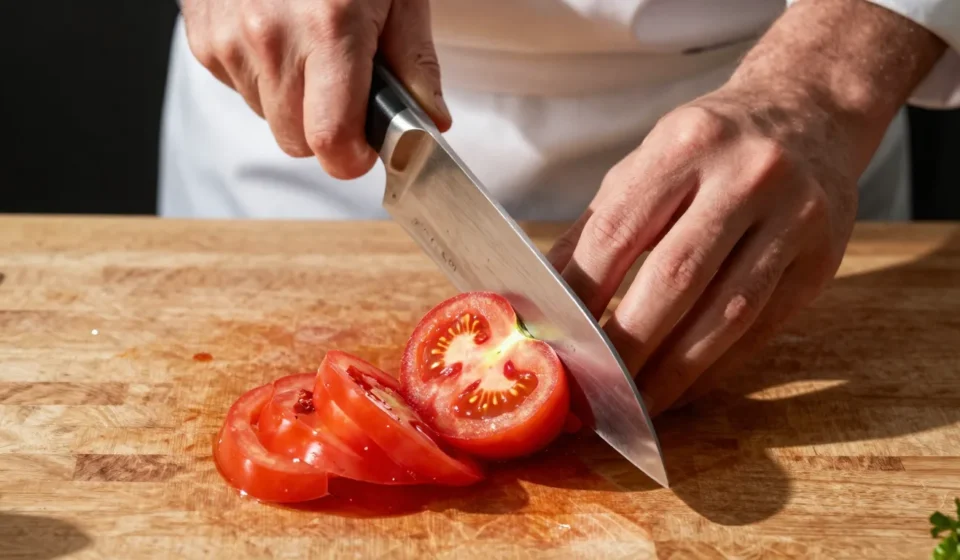
A thinner edge glides through tomatoes like a whisper, but demands careful honing; a thicker edge withstands the crunch of butternut squash.
Blade Shapes: From Chef to Paring
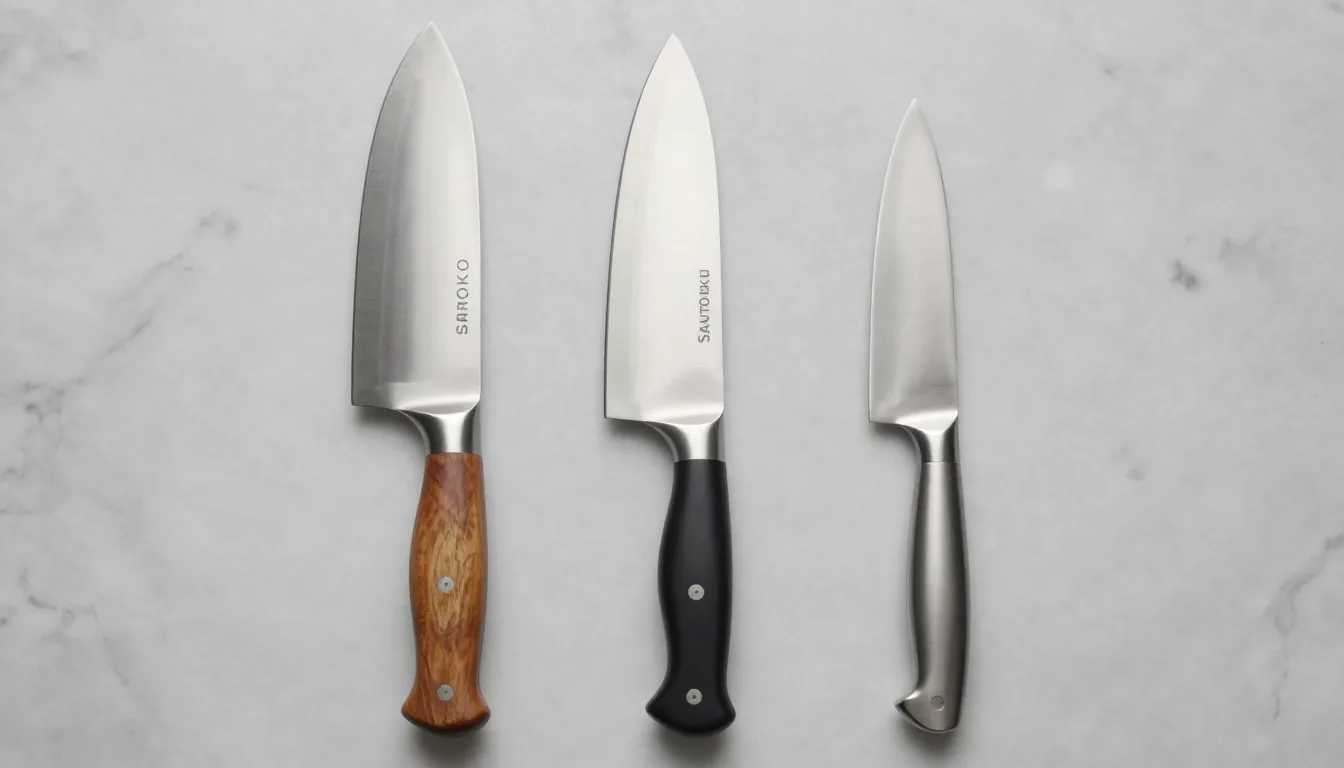
When considering blade shapes for your kitchen knife selection, the chef’s knife is the workhorse of Western kitchens. Its belly allows a rocking motion for chopping herbs, while the tip handles delicate work like mincing shallots.
For those who prefer precision, the Japanese gyuto offers a flatter profile—perfect for clean, pull-through cuts on vegetables and fish. A Santoku, with its sheep’s foot tip and shorter length, excels at slicing and dicing without the need for a separate vegetable cleaver.
Paring knives, those 3 to 4 inch blades, are the nimble dancers for peeling apples, deveining shrimp, or scoring patterns on pastry. A serrated bread knife, with its saw-like edge, cuts through crusty sourdough without crushing the crumb.
Each shape has a purpose; a good collection includes at least a chef's, a paring, and a serrated knife.
Steel Types: Carbon vs. Stainless
Steel type is a fundamental decision in kitchen knife selection. Carbon steel, beloved by traditionalists, takes a razor edge but demands immediate drying and oiling to prevent rust.
It develops a patina over time—a memory of every onion and tomato it has touched.
Stainless steel, with added chromium, resists corrosion and requires less fuss, though it can be harder to sharpen to the same keenness. High-carbon stainless alloys marry the best: edge retention of carbon with corrosion resistance of stainless.
Powdered steels, like those in high-end Japanese knives, offer incredibly fine grain structures that hold an edge for weeks of daily use.
Ergonomics and Handle Feel
Ergonomics is often overlooked in kitchen knife selection. A knife's handle is the bridge between your intention and the ingredient.
Western handles are often contoured, filling the palm with curves that fit snugly.
Japanese handles, typically octagonal or D-shaped, offer a lighter, more nimble grip—ideal for pinch-grip technique. Material matters: wood absorbs moisture and can warp, but feels warm and natural; synthetic handles like polypropylene or Pakkawood resist water and are easier to sanitize.
Maintenance: The Final Secret
Maintenance prolongs the life of your kitchen knife selection. Even the finest blade succumbs to dullness without care.
A honing steel realigns the edge between sharpenings; use it before each cooking session.
For sharpening, invest in whetstones—1000 grit for sharpening, 3000 to 6000 for polishing. Electric sharpeners are convenient but can remove too much steel.
Store knives in a magnetic strip or blade guard—never loose in a drawer where they clatter against spoons.
Hand-wash with mild soap and dry immediately; dishwashers are the enemy of edge and handle. A well-maintained knife will serve you for decades, its edge thinning with each sharpening until it becomes a treasured heirloom. Kitchen knife selection is not a one-time decision but a relationship with a tool that grows with you.
To explore more about culinary tools and techniques, visit our Gastronomy & Food section. For deeper dives into steel metallurgy, check out Knife Informer’s Steel Guide or Japanese Knife Imports Handle Guide for handle types.