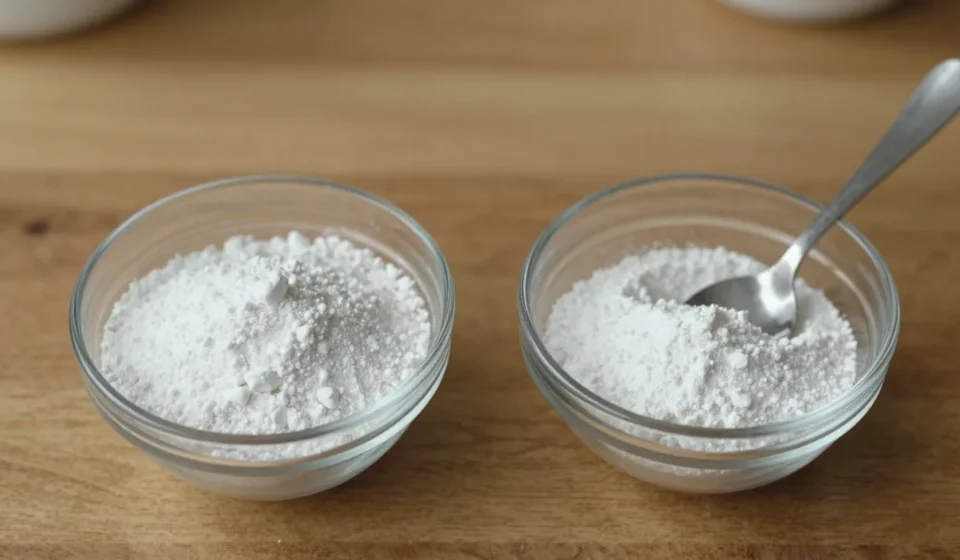

The Science Behind the Leaveners
Understanding the difference between baking soda vs baking powder is crucial for any baker. Baking soda is pure sodium bicarbonate—an alkaline powder that needs an acid (like buttermilk, yogurt, or lemon juice) to react and produce carbon dioxide gas.
Without acid, your baked goods will taste metallic and flat. Baking powder, on the other hand, already contains both baking soda and a powdered acid (usually cream of tartar) plus a starch to absorb moisture.
Most modern baking powders are double-acting, meaning they release gas once when wetted and again when heated, giving you a reliable rise in recipes without acidic ingredients. This chemical distinction is the foundation of every leavening decision.
Understanding it transforms baking from guesswork into a controlled, joyful process. When you swap one for the other without adjusting the recipe, you risk either a dense brick or a soapy disaster.
Baking Soda vs Baking Powder: When to Use Each
Reach for baking soda when your recipe includes a clear acidic component—think buttermilk pancakes, chocolate cake (cocoa is slightly acidic), or gingerbread with molasses. The soda neutralizes the acid while lifting the batter, creating a tender crumb.
For neutral batters like vanilla cake or biscuits made with milk, baking powder is your friend. It provides all the acid it needs, so no extra sour ingredients required.
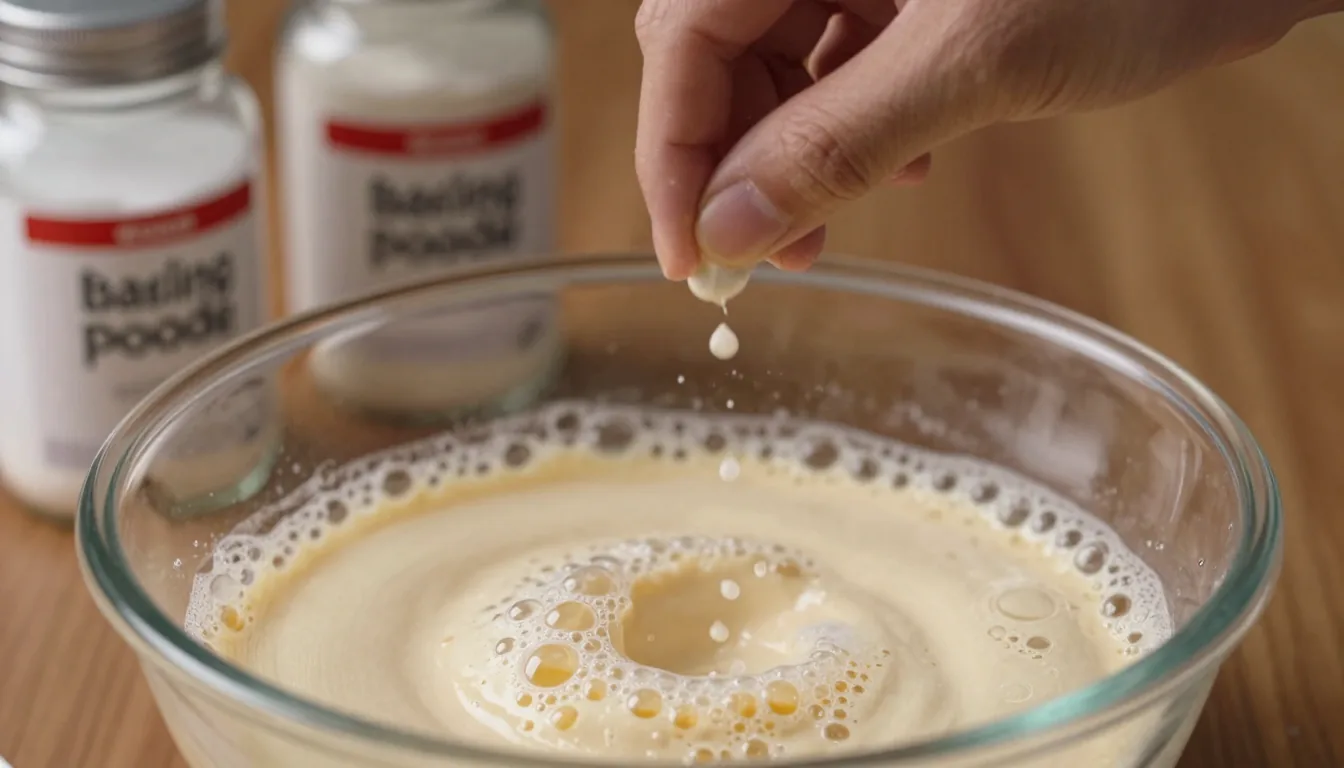
Using baking powder in an acidic recipe can lead to excess acid, causing a sharp aftertaste and improper browning. Conversely, using baking soda in a neutral recipe without acid will leave a metallic soapy flavor.
Knowing when to use each leavener ensures your baked goods rise perfectly every time. This is why the baking soda vs baking powder debate matters so much in the kitchen.
Substitution Rules That Work Every Time
Substituting one for the other is possible, but it demands precision. To replace 1 teaspoon of baking powder, mix ¼ teaspoon of baking soda with ½ teaspoon of cream of tartar (or ½ teaspoon of lemon juice or vinegar) and add it to the dry ingredients.
Remember that the acid addition changes the liquid balance—reduce other liquids slightly to compensate. Conversely, substituting baking soda with baking powder means you must omit any acidic ingredient from the recipe, or risk a tangy result.
As a rule of thumb, use three times as much baking powder as soda to match lift, but always adjust for taste. These substitution rules help when you run out of one leavener.
Understanding the ratio of baking soda vs baking powder in substitutions prevents kitchen disasters.
- Baking powder to soda: 1 tsp baking powder = ¼ tsp soda + ½ tsp cream of tartar (plus liquid adjustment).
- Soda to baking powder: Replace ¼ tsp soda with 1 tsp baking powder, and remove any acidic ingredient (or add a pinch of extra sugar to balance pH).
- Never double-dip: If your recipe already calls for an acid, switching to baking powder will throw off the chemistry entirely.
Common Pitfalls in Leavening Chemistry
One frequent mistake is using old leaveners—both lose potency over time. To test baking powder, drop a spoonful into hot water; it should fizz vigorously.
For baking soda, add a few drops of vinegar; it must bubble instantly. Another misstep is overmixing after adding the leavener, which degrades the gas bubbles before the oven heat sets the structure.
Finally, never assume gluten-free flours behave the same; they often require a blend of both agents for proper lift and texture. Mastering the difference between baking soda vs baking powder elevates your baking game. For more culinary science deep dives, explore our Gastronomy & Food collection.
You can also read the detailed breakdown at King Arthur Baking and the historical chemistry on Wikipedia. These resources dive deeper into the science behind baking soda vs baking powder.