
The Foundation of vegan meal balance
Creating a vegan meal balance is about more than just avoiding animal products—it’s a celebration of whole foods that nourish body and soul. By thoughtfully combining plant-based proteins, healthy fats, and complex carbohydrates, you can build plates that are both satisfying and nutritionally complete. This guide will walk you through the essentials, ensuring every meal supports your well-being.
Start with a colorful variety of vegetables and fruits, which provide vitamins, minerals, and antioxidants. Pair them with whole grains for sustained energy and legumes for protein.
This simple formula forms the basis of a balanced plate.
Plant-Based Protein Powerhouses
Protein is the cornerstone of any balanced meal, and vegan options are abundant. Legumes like lentils, chickpeas, and black beans offer not only protein but also fiber and minerals.
Pair them with whole grains such as quinoa, brown rice, or spelt to create a complete amino acid profile.
Don't overlook tofu and tempeh, derived from soybeans, which provide high-quality protein and versatility. Edamame, seitan, and hemp seeds are other stellar choices.
Aim for a diverse protein intake across the day to cover all essential amino acids.
For a quick protein boost, add a spoonful of nutritional yeast to sauces or soups. It offers a cheesy flavor and B vitamins.
Even vegetables like broccoli and spinach contribute small amounts of protein.
Consider using sprouted legumes and grains for enhanced nutrient absorption. They digest more easily and add a unique texture.
Include a variety of protein sources in each meal for optimal nutrition.
Essential Healthy Fats
Healthy fats are vital for nutrient absorption and brain health. Avocados, nuts, seeds, and their oils are prime sources.
A drizzle of extra virgin olive oil over roasted vegetables or a handful of walnuts on a salad adds richness and omega-3 fatty acids.
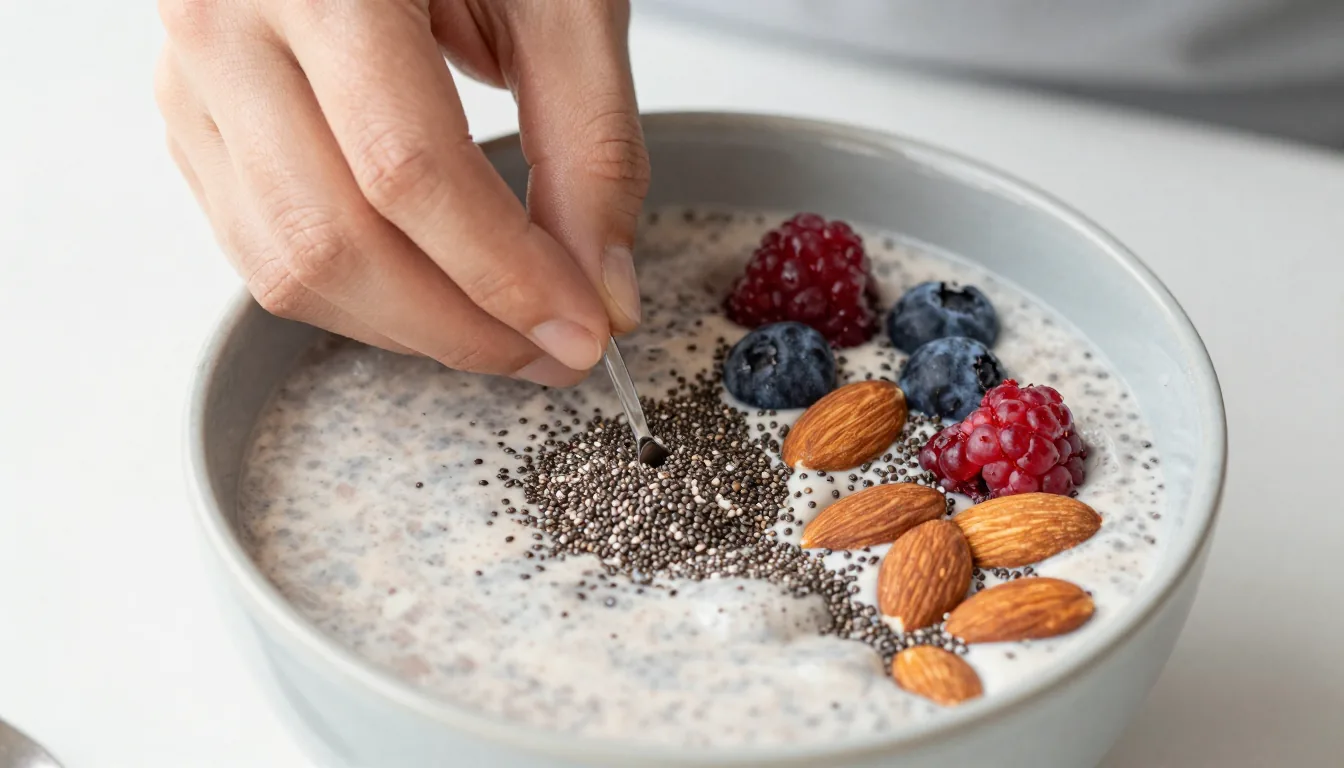
Chia, flax, and hemp seeds are also rich in fiber and healthy fats. Coconut milk, in moderation, lends creaminess to curries.
These fats not only enhance flavor but also help you feel full and satisfied.
Include a variety of fat sources to get different nutrients. For example, use tahini in dressings, almond butter on toast, and avocado in smoothies.
Each brings unique benefits to your vegan meal balance.
Don't forget about olives and their oil, which provide monounsaturated fats. Pumpkin seeds and sesame seeds are also excellent choices.
Rotate your fat sources to keep meals interesting.
The Role of Complex Carbohydrates
Carbohydrates are your body's primary fuel, and complex carbs offer sustained energy. Whole grains like oats, barley, and whole wheat pasta are ideal.
Starchy vegetables such as sweet potatoes, squash, and beets add color and nutrients.
Incorporate a rainbow of non-starchy vegetables too—leafy greens, bell peppers, broccoli—for vitamins, minerals, and antioxidants. Together, they form the carbohydrate foundation of your vegan meal balance.
Include a mix of cooked and raw veggies for varied texture and nutrient availability.
Quinoa and amaranth are excellent pseudo-grains that provide complex carbs along with protein. They are easy to cook and pair well with most dishes.
Experiment with different grains to keep meals interesting.
Root vegetables like carrots and parsnips add natural sweetness and fiber. Try roasting them with herbs for a hearty side.
Balance your carb intake with physical activity levels.
Sample Balanced Vegan Meals
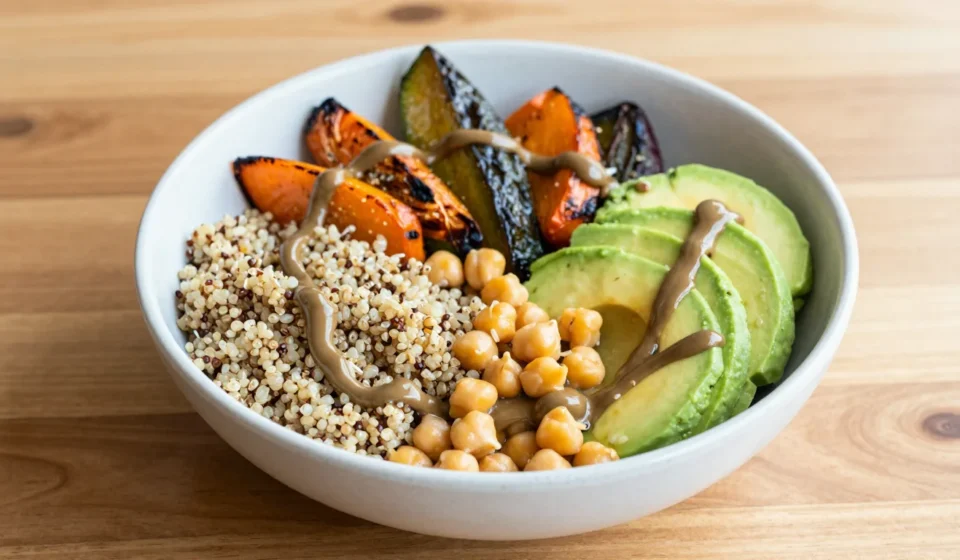
A quinoa bowl with roasted chickpeas, kale, cherry tomatoes, and lemon-tahini sauce is a complete meal. Sweet potato lentil stew with whole-grain bread offers warmth and satisfaction.
These combinations ensure you achieve vegan meal balance with protein, fats, and carbs in one dish.
For breakfast, try oatmeal with almond butter, chia seeds, and berries. A lunch of whole-wheat wrap with hummus, vegetables, and avocado is quick and nourishing.
Dinner could be stir-fried tofu with broccoli and brown rice.
Putting It All Together
To assemble a complete meal, fill half your plate with vegetables and fruits, a quarter with whole grains or starchy vegetables, and a quarter with protein-rich foods. Add a tablespoon of healthy fat, like a tahini dressing or avocado slices.
This visual guide ensures your vegan meal balance covers all macronutrients.
Experiment with textures and flavors to keep meals exciting. For more inspiration, explore our Gastronomy & Food category.
The Harvard T.H. Chan School of Public Health offers excellent plant-based nutrition resources, and WHO’s guidelines on plant-based diets provide global perspectives.
Remember, balance comes from variety over time—so enjoy the journey. Listen to your body and adjust portions as needed.
With practice, creating balanced vegan meals becomes second nature.