
Kosher Salt vs Sea Salt: Mineral Origins
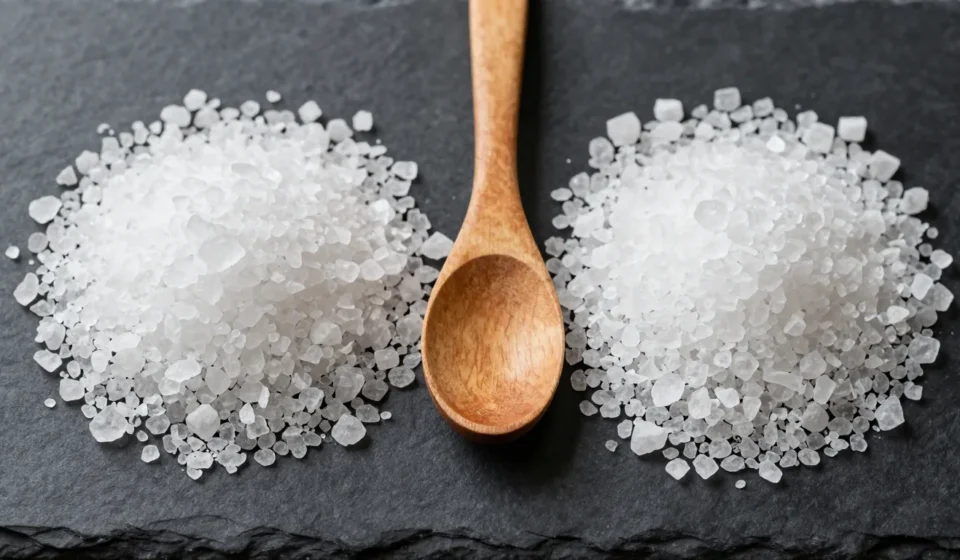
When it comes to kosher salt vs sea salt, the first difference lies in their origin. Kosher salt is mined from underground salt deposits and then processed into large, irregular flakes. Sea salt, on the other hand, is harvested by evaporating seawater, leaving behind fine or coarse crystals rich in trace minerals.
This fundamental distinction shapes everything from texture to taste. Sea salt often retains a briny, complex flavor profile thanks to minerals like magnesium and calcium.
Kosher salt, being more refined, offers a pure, clean saltiness without the subtle metallic notes. For many chefs, the choice between kosher salt vs sea salt starts with the intended application.
Texture and Flake Size
Kosher salt is famous for its large, light flakes that crumble easily between your fingers. This makes it ideal for seasoning meat before cooking—the flakes adhere well and dissolve evenly.
Sea salt varies widely: from fine, quick-dissolving grains to crunchy, pyramid-shaped fleur de sel.
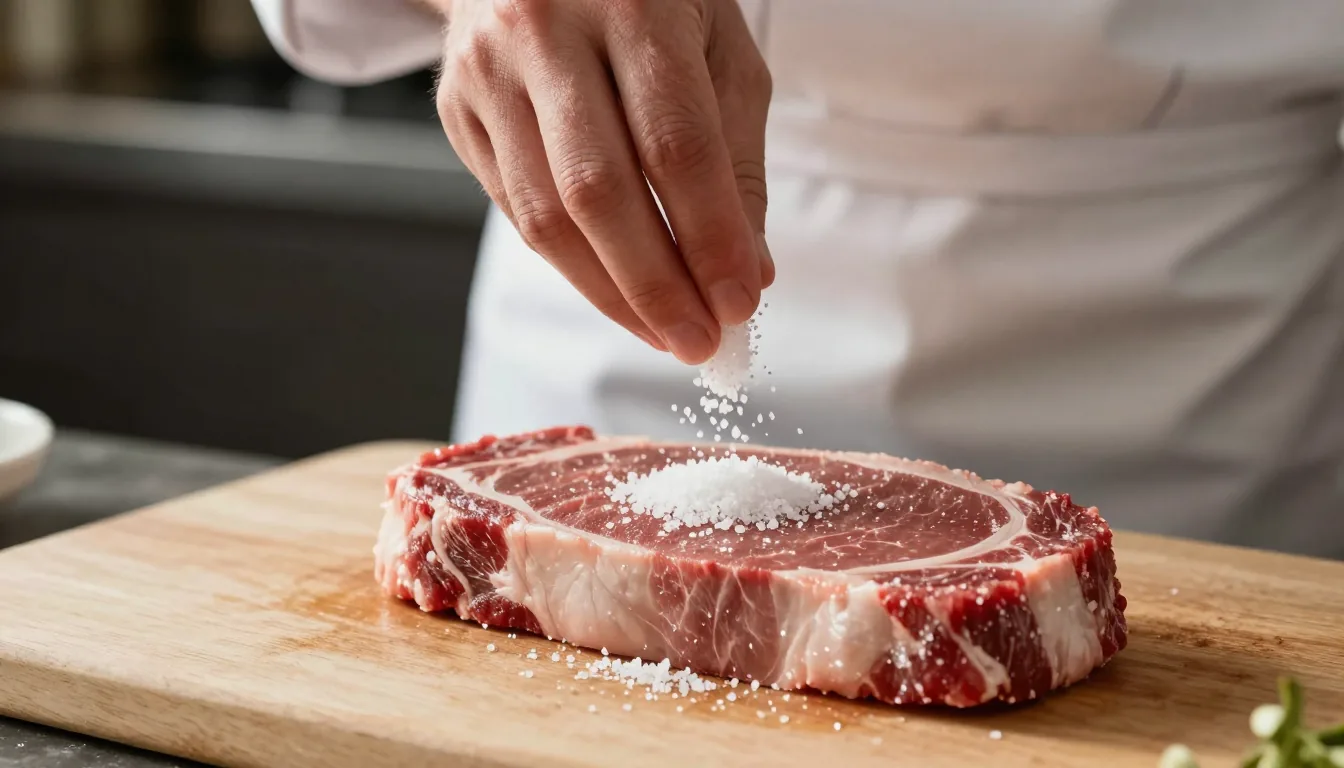
The texture directly affects how you use each salt. Kosher salt's volume is lower in sodium per teaspoon compared to fine sea salt because of its airy structure.
This is why many chefs prefer kosher salt for salting pasta water or seasoning steaks—it's harder to oversalt. In the debate of kosher salt vs sea salt, texture often dictates the winner for specific tasks.
Flavor Profiles
Sea salt's mineral content gives it a more nuanced flavor. A flaky Maldon sea salt delivers a delicate pop of saltiness with a hint of brininess.
In contrast, kosher salt tastes purely of sodium chloride—clean and straightforward.
For finishing dishes, sea salt is often the winner. A sprinkle of fleur de sel on caramel or chocolate enhances sweetness with a mild crunch.
Kosher salt, however, excels as an all-purpose cooking salt because it integrates seamlessly without altering the dish's intended flavor. Understanding kosher salt vs sea salt flavors helps you choose wisely.
Measurement Conversions
Because of different crystal sizes, a teaspoon of fine sea salt is much saltier than a teaspoon of kosher salt. A general rule: 1 teaspoon fine sea salt = 1.5 teaspoons kosher salt.
For coarse sea salt, the ratio is closer to 1:1.25.
When substituting, always adjust by weight rather than volume for precision. A gram of salt is a gram regardless of type.
Many recipes now specify salt by weight to avoid confusion. In the kosher salt vs sea salt substitution, weight is your best friend.
When to Use Which
Choose kosher salt for brining, dry rubs, and salting pasta water. Its large flakes are easy to pinch and distribute.
Reach for sea salt when you want a finishing touch—on salads, grilled vegetables, or baked goods. The visual appeal of sea salt crystals also adds a gourmet look.
For baking, stick with fine sea salt unless the recipe calls specifically for kosher. The even dissolution of fine salt ensures consistent dough texture.
Remember that salted butter already contains salt, so adjust accordingly. Knowing when to use each in kosher salt vs sea salt decisions improves your dishes.
Substitution Tips
If a recipe calls for kosher salt and you have only sea salt, reduce the volume by about 25%. Conversely, if using kosher in place of sea salt, increase the amount.
Always taste as you go—especially in sauces or brines where salt concentration matters.
For more culinary insights, explore our Gastronomy & Food section. Learn from experts like Serious Eats or Bon Appétit for deeper dives.
Storage and Shelf Life
Both salts are hygroscopic—they absorb moisture from the air. Store them in airtight containers away from steam.
Sea salt with higher mineral content may clump more; adding a few grains of rice can help.
Neither salt expires, but they can pick up off-flavors if stored near spices. Keep them in a cool, dry place.
For the best texture, use a salt cellar with a wide opening for easy pinching. Understanding kosher salt vs sea salt storage prolongs their quality.