
The Urge for Beans, Minus the Wait
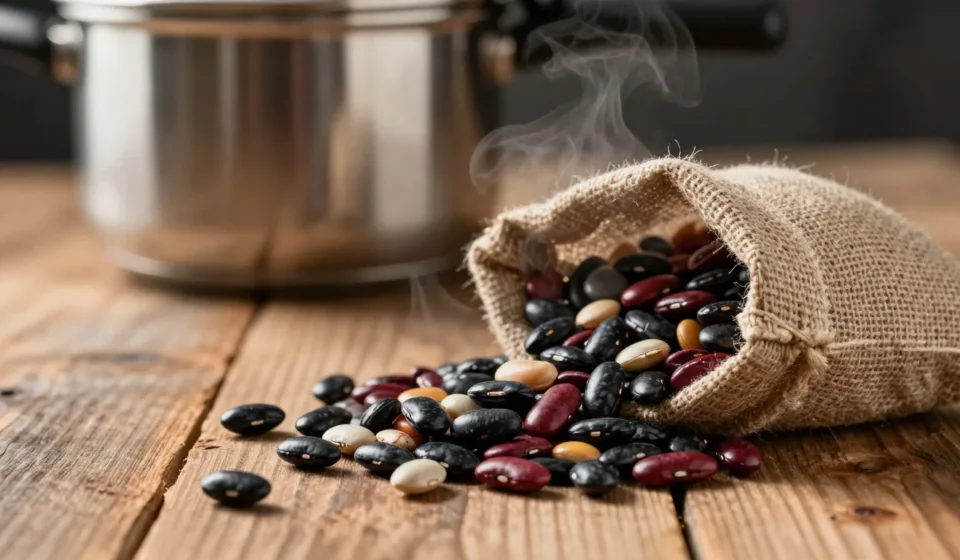
Beans are a cornerstone of rustic cuisine—earthy, creamy, and deeply satisfying. But the traditional overnight soak feels like an obstacle when cooking dried beans no soak is what you need for a quick meal.
The good news? This no-soak technique is entirely possible with the right method.
Whether you own a pressure cooker or just a sturdy pot, you can transform rock-hard legumes into tender gems in under an hour. It's a game-changer for busy cooks.
This guide walks you through two reliable methods: the rapid pressure cooker route and the stovetop simmer. Both bypass the soaking step, preserving the bean's natural flavor and texture.
Let's banish the soak and embrace spontaneity in the kitchen.
Pressure Cooker: Cooking Dried Beans No Soak Fast
Why It Works
A pressure cooker uses steam and high pressure to penetrate dried beans rapidly. It mimics the effect of long soaking by forcing moisture into the bean's starch core.
You get creamy results in a fraction of the time—typically 20 to 40 minutes depending on the bean.
No soaking means no planning ahead. Just rinse the beans, add water or broth, and seal the lid.
The machine does the heavy lifting.
Step-by-Step Pressure Cooker Method
Start by sorting and rinsing your dried beans. Remove any debris or shriveled beans.
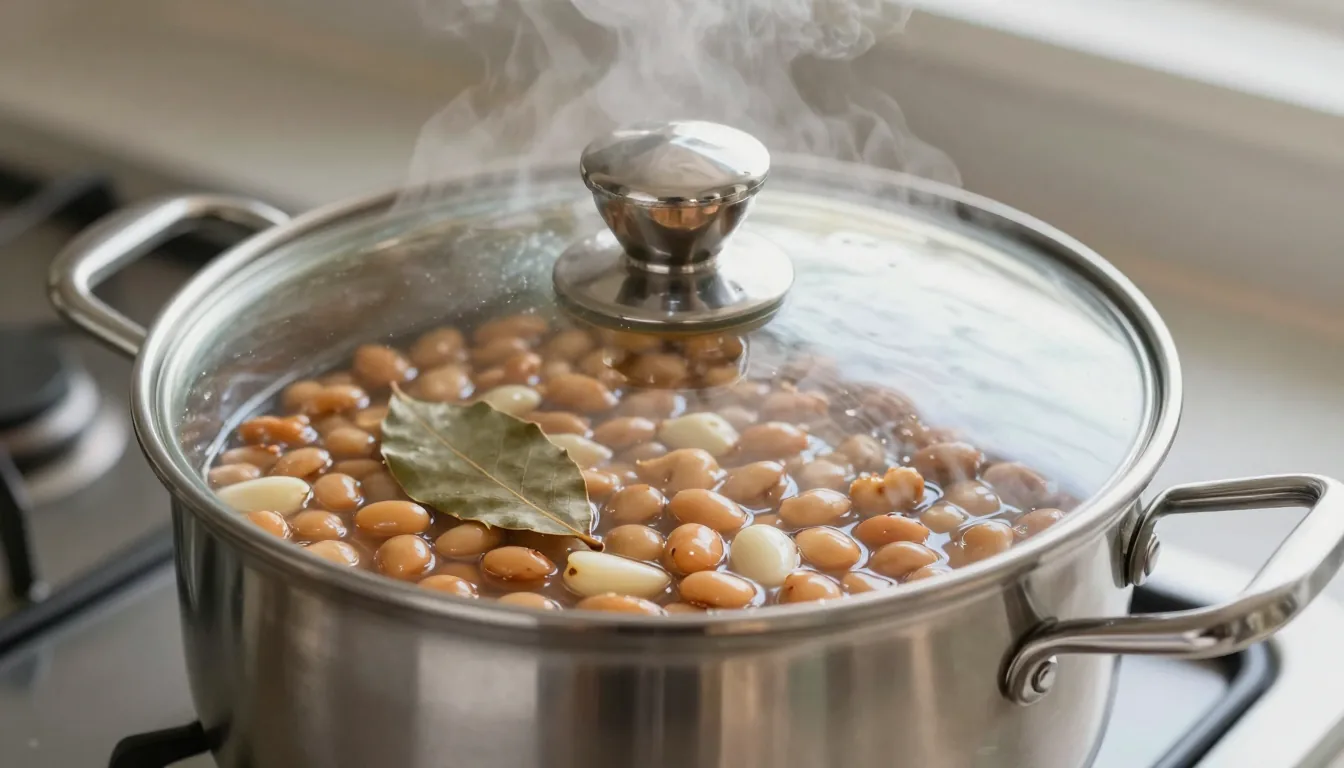
Place them in the pressure cooker pot and cover with fresh water by two inches.
Add a pinch of salt and a bay leaf for depth. Avoid adding acidic ingredients like tomatoes or vinegar until after cooking, as they toughen the skins.
This method is ideal for cooking dried beans no soak in a hurry.
Lock the lid and bring to high pressure. Cook times vary: black beans need about 25 minutes, chickpeas around 35, and kidney beans up to 40. For precise times, refer to a trusted pressure cooker bean chart.
Allow natural pressure release for 10 minutes, then quick release any remaining steam. Test a bean by pressing it against the side of the pot; it should mash easily.
If not, cook for another 5 minutes under pressure.
The result: tender, creamy beans ready for salads, soups, or mash. The broth becomes a flavorful base—use it in your dish or freeze for later.
Stovetop Simmer: Patience Pays Off
The Technique Behind No-Soak Stovetop Beans
Without a pressure cooker, you can still cook dried beans without soaking, but it requires more attention. The key to successful cooking dried beans no soak on the stovetop is a gentle simmer.
Expect cooking times of 1.5 to 3 hours, depending on the bean and your desired tenderness.
Start by rinsing the beans and placing them in a large pot. Cover with water by at least three inches—beans expand considerably.
Bring to a boil, then reduce to a gentle simmer.
Skim off any foam that rises during the first 15 minutes; this removes impurities and prevents a cloudy broth. Maintain a low, steady simmer—never a rolling boil, which can burst the skins.
Add aromatics like garlic, onion, or herbs after the first hour. Salt should be added near the end, as early salting can slow softening.
Test frequently after 90 minutes.
The beans are done when they yield easily to pressure but still hold their shape. These tips ensure your cooking dried beans no soak attempt yields perfect results.
Tips for Better Stovetop Results
Soaking substitutes like a pinch of baking soda can accelerate cooking by breaking down pectin in the bean skins. Add 1/4 teaspoon per cup of beans, but be cautious—too much can create a soapy taste.
Another trick: start with hot water rather than cold to reduce the time the beans spend in the temperature danger zone.
If the water level drops below the beans, add more boiling water. Stir occasionally to prevent sticking.
Once cooked, season generously and let the beans rest in their liquid for 15 minutes to absorb flavor.
This method yields beans with a firmer texture than pressure-cooked ones—ideal for salads or dishes where you want distinct, whole beans.
Practical Pointers for Perfect Beans
Choosing the right bean matters. When cooking dried beans no soak, choosing fresh beans is crucial.
Smaller beans like lentils and split peas cook fastest even without soaking.
Larger beans like fava or dried soybeans may still require a brief soak (2–4 hours) for best results, but most common varieties—black, pinto, cannellini, chickpeas—respond beautifully to no-soak methods. Always check the package for harvest date; older beans take longer to soften regardless of method.
Salt is a point of debate. While salt can toughen beans if added too early in traditional cooking, pressure cooker and long-simmer methods allow you to add salt at the start without major issues.
For the stovetop, wait until the beans are almost tender to ensure even cooking.
And never add acidic ingredients until the beans are fully cooked—vinegar, tomatoes, and wine delay softening. Storing cooked beans is simple.
Cool them in their cooking liquid, then refrigerate for up to five days or freeze in portions.
The liquid (aquafaba from chickpeas) is a goldmine for vegan recipes. After cooking dried beans no soak, store them properly. For a deep dive into bean cookery, Epicurious offers more variations on the no-soak approach.
Experiment with both methods and discover which suits your rhythm. The beauty of cooking dried beans no soak is the freedom it grants—you can turn a pantry staple into a meal on a whim.
No foresight required, just a pot and some heat.
Embrace the bean. It’s cheap, nutritious, and endlessly versatile.
With these techniques, you’ll never be hostage to a soaking schedule again.
For more culinary time-savers, explore our Gastronomy & Food section.