
The Indian Spices Essential Starter Kit
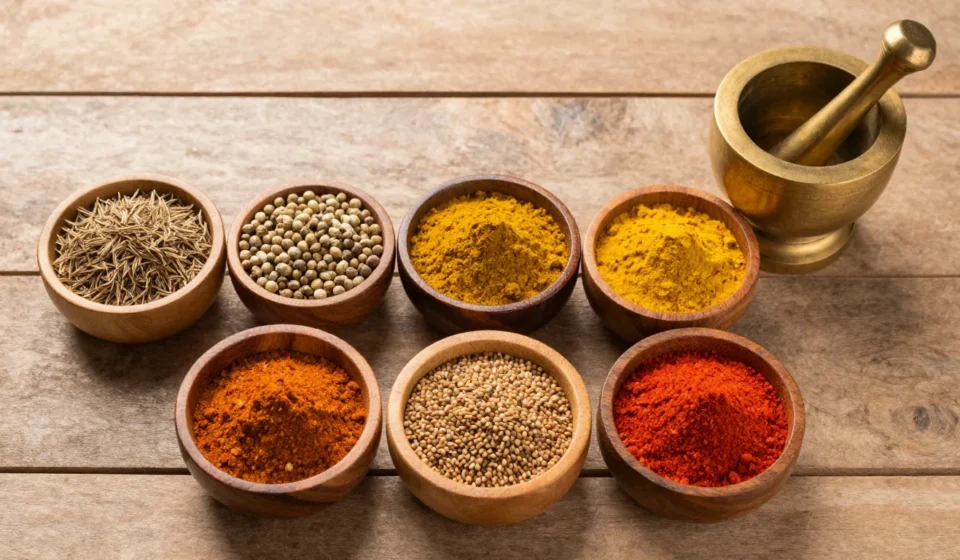
Building a well-stocked pantry begins with understanding which Indian spices essential truly transform home cooking. These aromatic seeds, powders, and blends are the soul of vibrant curries, fragrant rice dishes, and savory snacks. Start with these foundational jars and you’ll never lack depth or complexity.
Each spice has a distinct personality. Learn to toast, grind, and store them properly, and you'll unlock a world of flavor.
This guide covers the non-negotiable staples every Indian kitchen relies upon.
Cumin: The Earthy Foundation
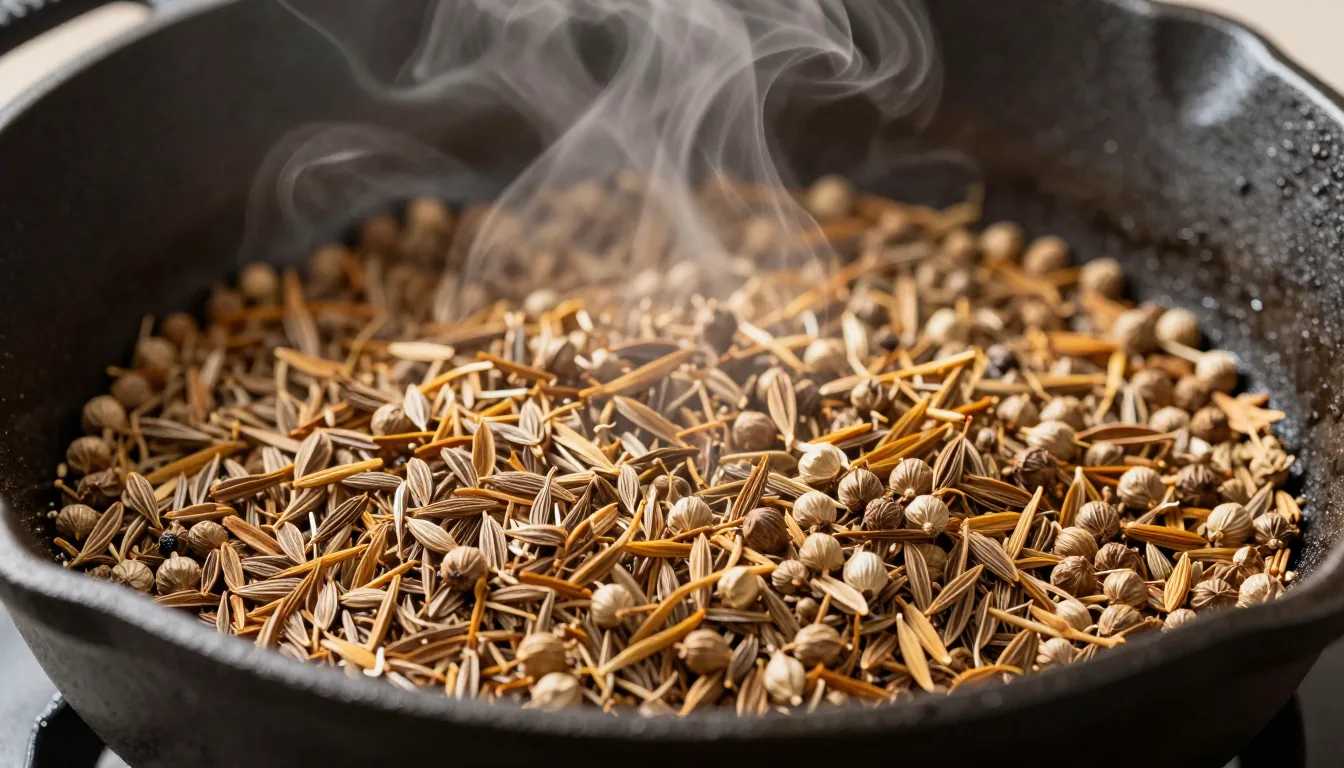
Cumin seeds (jeera) are tiny powerhouses of warm, earthy aroma. They are often the first spice toasted in hot oil or ghee to infuse a dish with nutty undertones.
Whole seeds are essential for tempering (tadka) in lentil soups and rice preparations.
Ground cumin is equally important. It teams beautifully with coriander and turmeric, forming the backbone of many curry powders.
Toast whole cumin lightly before grinding to intensify its flavor.
Store in an airtight jar away from direct sunlight. Mastering cumin is an Indian spices essential skill.
Coriander: The Citrusy Balancer
Coriander seeds (dhania) provide a bright, lemony sweetness that balances heat and depth. They are often paired with cumin in a 2:1 ratio for a classic base blend.
When toasted, coriander releases a warm, almost floral note that mellows harsh flavors.
Both whole and ground coriander are vital. Add whole seeds to pickles and marinades; use ground coriander in spice pastes and sauces.
For the freshest taste, buy whole seeds and grind them as needed.
Turmeric: The Golden Healer
Turmeric (haldi) is responsible for the brilliant yellow hue of countless Indian dishes. Its earthy, slightly bitter flavor is subtle but indispensable.
Beyond color, turmeric offers anti-inflammatory properties and a gentle warmth that ties other spices together.
Use only small amounts—too much can overpower. Always cook turmeric in oil or fat to unlock its full potential.
Fresh turmeric root is even more pungent, but dried powder is a pantry staple.
Combine with black pepper to boost absorption. Turmeric is undeniably one of the Indian spices essential for health and color.
Garam Masala: The Warm Finish
Garam masala is a fragrant blend of spices like cardamom, cinnamon, cloves, and black pepper. Unlike curry powder, it is typically added near the end of cooking to preserve its volatile aromas.
A sprinkle over finished dishes adds a final layer of richness.
Homemade garam masala far surpasses store-bought. Toast whole spices, grind them fine, and store in a small jar.
Adjust the recipe to your taste—more cinnamon for sweetness, more cloves for warmth.
It is the signature touch in biryanis and kormas.
Mustard Seeds: The Pop of Pungency
Black or brown mustard seeds (rai) are indispensable for tempering. When dropped into hot oil, they splutter and release a nutty, pungent flavor that enlivens dal, vegetables, and chutneys.
Their texture also adds a pleasant bite.
Yellow mustard seeds are milder and less common in Indian cooking. Always heat oil until shimmering before adding seeds, then cover the pan to avoid flying splatters.
Mustard seeds are also ground into pastes for pickles and fish dishes.
Red Chili Powder: The Heat Regulator
Indian red chili powder is not just heat—it adds a deep, smoky color and fruity undertones. Kashmiri chili powder is a favorite for its vibrant red hue and mild spice level.
Use it to adjust heat without overwhelming the dish.
Store chili powder in a cool, dark drawer to preserve its color and potency. For the best flavor, grind dried chilies yourself.
Remember that chili intensity varies by region; start with a small pinch and adjust as you cook.
To explore more culinary foundations, browse our Gastronomy & Food category. For authentic spice sources, check out Spruce Eats’ guide or BBC Good Food’s top ten list. Mastering these Indian spices essential will turn every meal into a journey through India’s diverse regions.