

Why Brain-Healthy Nutrients Matter More Than Ever
As we age, cognitive decline is a growing concern, but emerging research offers hope. The right supplements for brain health can support memory, focus, and neuroprotection.
Modern neuroscience confirms that specific nutrients can enhance synaptic plasticity and reduce inflammation. This guide explores five clinically studied options that stand out for 2026, chosen for robust evidence and safety.
Before diving in, remember: supplements complement a healthy lifestyle, not replace it. Always consult a healthcare professional before starting any new regimen.
Top Supplements for Brain Health: Essential Picks for 2026
These five supplements have been selected based on recent clinical trials and mechanistic research. They target different aspects of cognition, from memory formation to energy metabolism.
When used consistently and in appropriate dosages, they can provide significant support for brain function across the lifespan.
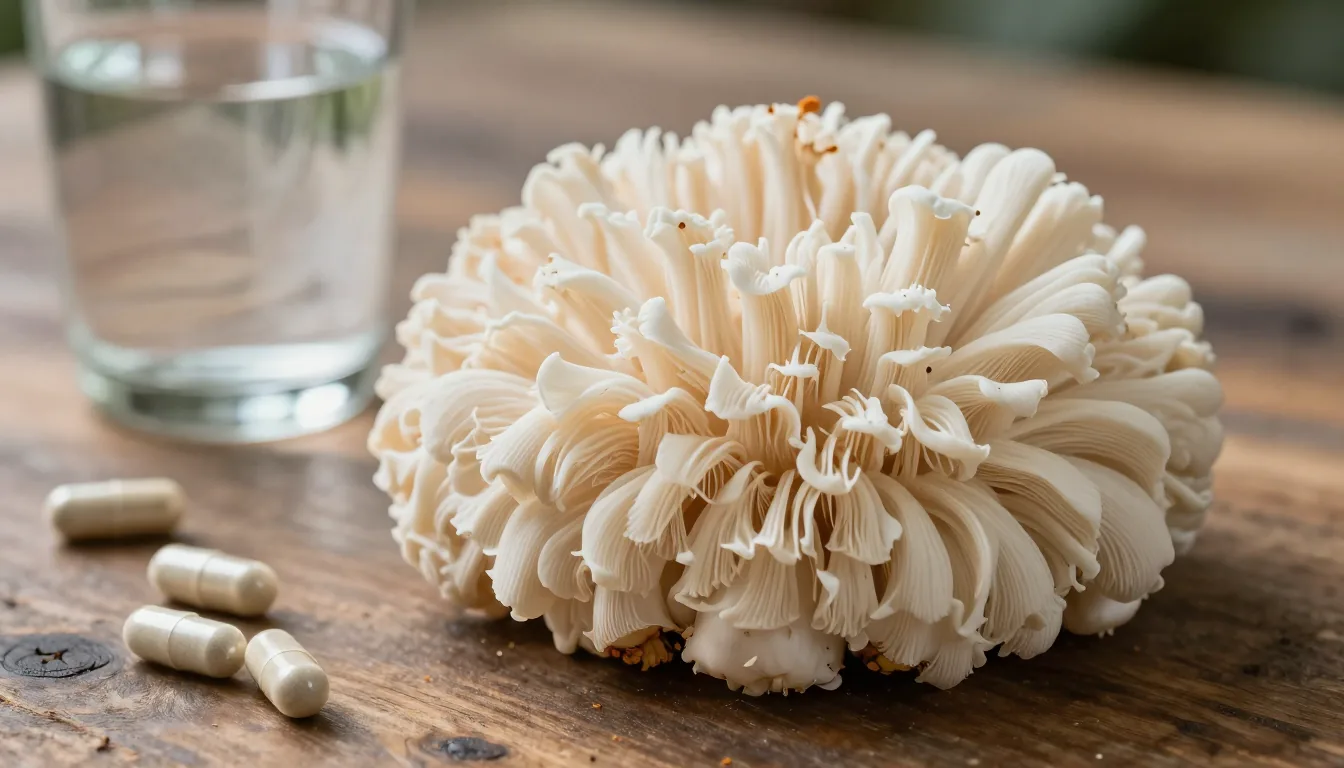
1. Lion’s Mane Mushroom: A Natural Nootropic
Lion’s Mane (Hericium erinaceus) stimulates nerve growth factor (NGF), which promotes neuronal health. A 2023 double-blind, placebo-controlled trial found significant improvements in cognitive function after 12 weeks.
Participants reported sharper recall and faster processing speed with minimal side effects. For best results, look for a standardized extract containing at least 1% erinacines.
Typical dosages range from 500 mg to 3,000 mg daily. Lion’s Mane is generally safe, but consult your doctor if you have a bleeding disorder or are on anticoagulants.
2. Omega-3 Fatty Acids: Essential for Neuronal Health
Omega-3s, particularly DHA, are structural components of brain cell membranes. A meta-analysis of 22 randomized controlled trials confirmed that higher DHA intake correlates with improved memory and reduced risk of decline.
For vegetarians, algae-based DHA is an excellent alternative to fish oil. Look for products with at least 500 mg combined EPA and DHA per serving.
Choose third-party tested brands for purity. If you have blood clotting disorders, consult your doctor before starting high-dose omega-3s.
Absorption may be enhanced by taking with a meal containing fat.
3. Phosphatidylserine: A Phospholipid for Synaptic Support
Phosphatidylserine (PS) is a key membrane phospholipid that declines with age. A 2024 clinical trial showed that 300 mg daily improved attention, verbal fluency, and mood in older adults with subjective cognitive complaints.
PS is particularly effective when combined with DHA. It is generally well-tolerated, but those on blood thinners should use caution due to mild anticoagulant effects.
Consistency matters more than occasional use. Look for PS derived from sunflower lecithin for a vegan option.
Avoid if you have a history of hormone-sensitive conditions.
4. Bacopa Monnieri: An Ayurvedic Brain Tonic
Bacopa monnieri has been used for centuries in Ayurvedic medicine. A 2022 systematic review found significant improvements in memory recall and information retention after 12 weeks.
The active compounds, bacosides, enhance synaptic communication and reduce oxidative stress. Standardized extracts with 20% bacosides are most studied.
Typical dosing is 300–600 mg daily. Patience is key—effects may take 4–6 weeks to manifest.
It is generally safe, but may cause mild digestive upset.
5. Citicoline: Fuel for Brain Energy
Citicoline (CDP-choline) supplies choline and uridine, precursors for acetylcholine and membrane synthesis. A 2025 placebo-controlled study demonstrated enhanced focus and reduced mental fatigue during demanding tasks.
It also supports recovery after brain injury. Most trials use 250–1,000 mg daily.
Citicoline is safe for long-term use, but those with bipolar disorder should avoid it due to potential mood activation.
Stacking citicoline with omega-3s may amplify benefits due to synergistic effects on membrane fluidity.
How to Choose and Use These Supplements for Brain Health
Before adding any supplement, consult a healthcare professional—especially if you’re on medications. Start with one supplement at a time, track cognitive changes, and adjust based on response.
Combining these with a balanced diet, exercise, and sleep amplifies benefits. For a holistic approach, explore our Health & Wellness category for more strategies.
Remember, no supplement replaces a healthy lifestyle. But when used wisely, these nutrients can provide powerful support for your brain.
Consistency and quality are the keys to success.