

Telomeres and Aging: What Are They and Why Do They Matter?
Telomeres and aging go hand in hand: telomeres act as protective caps on chromosome ends, preventing data loss during cell division. Each time a cell divides, telomeres shorten.
When they become too short, cells stop dividing—a key driver of biological aging.
This connection between telomeres and aging is central to how we age at a cellular level. Research links short telomeres to diseases like heart disease, diabetes, and dementia.
Importantly, lifestyle choices influence telomere length.
Telomerase, the enzyme that rebuilds telomeres, is active in stem cells and sperm but largely dormant in most adult cells. This makes lifestyle factors even more critical for protecting telomere length as we age.
The Biology Behind Telomere Attrition
With each cell replication, a small portion of the telomere is lost due to the end-replication problem. Over decades, this cumulative loss triggers cellular senescence.
Oxidative stress and inflammation accelerate telomere shortening.
Key Factors That Speed Up Telomere Shortening
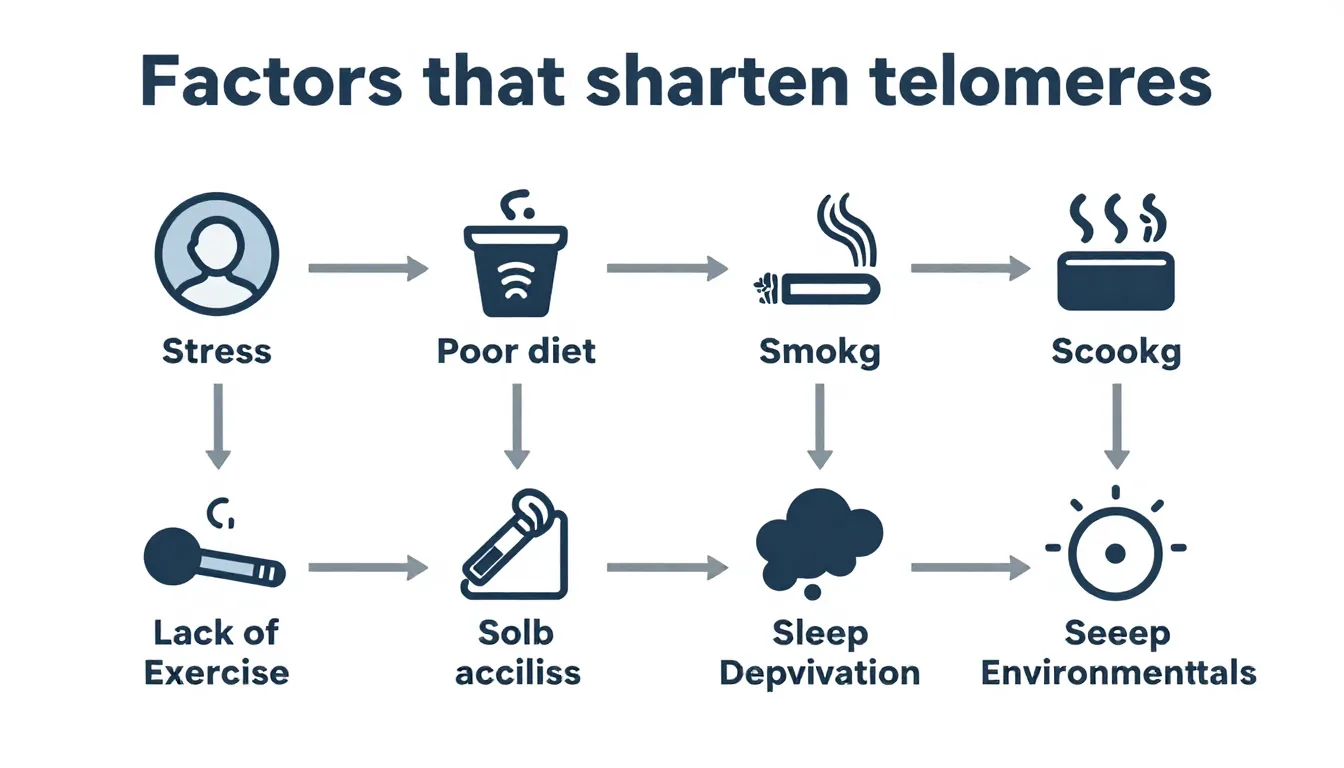
Chronic stress is a major culprit. A landmark study found that women under high stress had telomeres as short as those 10 years older.
Poor diet, lack of exercise, smoking, and obesity also harm telomeres.
Sleep deprivation and air pollution play a role too. Exposure to toxins like pesticides and air pollution contributes to telomere attrition.
Avoiding unnecessary chemical exposures may help preserve cellular health.
Evidence-Based Strategies to Support Telomere Length
Research shows that lifestyle can influence telomeres and aging positively. While you can't stop telomere shortening completely, studies suggest you can slow it—and even lengthen telomeres.
Here are seven strategies backed by science.
1. Anti-Inflammatory Diet
Diets rich in fruits, vegetables, whole grains, and healthy fats support healthy telomeres and aging. The Mediterranean diet, in particular, provides antioxidants that combat oxidative stress.
A 2018 study found that women who followed the Mediterranean diet had significantly longer telomeres.
Include foods like berries, leafy greens, nuts, and fatty fish. Avoid processed foods and sugars that promote inflammation.
2. Regular Exercise
Both aerobic and strength training help preserve telomere length. One study showed that older adults who exercised regularly had telomeres similar to younger sedentary individuals.
Aim for at least 150 minutes of moderate exercise per week.
3. Stress Management
Chronic stress accelerates telomere shortening via cortisol and inflammation. Practices like meditation, yoga, and deep breathing can reduce stress.
Even short daily sessions can make a difference.
4. Quality Sleep
Poor sleep is linked to shorter telomeres. Aim for 7–9 hours of restorative sleep per night.
Maintain a consistent sleep schedule and create a relaxing bedtime routine.
5. Avoid Smoking and Limit Alcohol
Smoking is one of the worst habits for telomeres and aging. Quitting can halt further damage.
Limit alcohol to moderate levels—one drink per day for women, two for men.
6. Key Nutrients
Omega-3 fatty acids, vitamin D, and antioxidants like vitamins C and E are associated with longer telomeres. A diet rich in these nutrients is beneficial; supplementation may help if deficient.
7. Mind-Body Practices
Tai chi, mindfulness, and even social connection have shown protective effects. A sense of purpose and community may buffer against stress-related telomere loss.
For more on healthy aging, explore our Health & Wellness resources.
The Bottom Line on Cellular Aging
The science of telomeres and aging is continually evolving. Telomeres are a powerful marker of biological age, but they are not destiny.
By adopting a lifestyle rich in whole foods, regular exercise, stress reduction, and quality sleep, you can slow telomere shortening and potentially extend your healthspan.
In summary, the relationship between telomeres and aging is modifiable. While supplements claim to lengthen telomeres, the strongest evidence points to comprehensive lifestyle changes.
Always consult your doctor before starting new regimens.
For deeper insights, read the original research on telomeres and aging or explore aging studies at Aging-US.