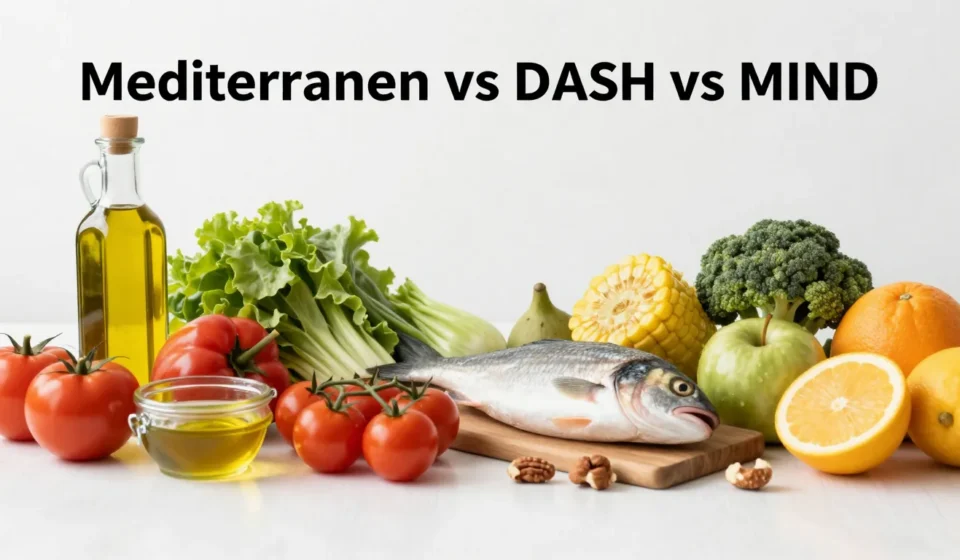

When it comes to reducing chronic inflammation, the anti-inflammatory diet comparison often centers on three evidence-backed eating patterns: Mediterranean, DASH, and MIND. Each has strong research support, but they differ in focus and composition. I understand how overwhelming dietary choices can be—let’s break down the science together.
The Mediterranean Diet: Science-Backed Longevity
The Mediterranean diet emphasizes olive oil, vegetables, fruits, whole grains, legumes, nuts, and fish. It limits red meat and processed foods. A landmark 2018 NEJM study found that a Mediterranean diet supplemented with extra-virgin olive oil or nuts reduced cardiovascular events by 30%.
This effect is largely due to anti-inflammatory properties. The diet reduces C-reactive protein and other inflammatory markers.
What makes this diet unique is its high content of polyphenols and omega-3s.
These compounds directly quell oxidative stress and support healthy aging. The Mediterranean diet's flexibility makes it sustainable for most people.
In fact, many longevity experts consider it the gold standard for an anti-inflammatory lifestyle.
Anti-Inflammatory Diet Comparison: Key Differences
Now let’s examine the anti-inflammatory diet comparison between DASH and MIND. The DASH (Dietary Approaches to Stop Hypertension) diet was designed to lower blood pressure. It also offers robust anti-inflammatory benefits by focusing on reducing sodium and increasing potassium-rich foods.
The DASH diet includes fruits, vegetables, low-fat dairy, and whole grains. It limits saturated fat and cholesterol. A 2021 meta-analysis linked DASH adherence to lower levels of interleukin-6, a key inflammatory marker.
The MIND (Mediterranean-DASH Intervention for Neurodegenerative Delay) diet is a hybrid. It combines elements of both Mediterranean and DASH diets.
It prioritizes green leafy vegetables, berries, nuts, whole grains, fish, and poultry while minimizing red meat, butter, and sweets.
Research suggests the MIND diet may slow cognitive decline. It protects the brain from inflammation.
This anti-inflammatory diet comparison shows each pattern has unique strengths.
DASH Diet: More Than Blood Pressure
DASH emphasizes whole foods and limits saturated fat. It also supports cardiovascular health, which indirectly reduces systemic inflammation.
The diet's structured sodium limits can be challenging, but its anti-inflammatory effects are well-documented.
For those with hypertension, DASH is particularly effective. It combines blood pressure control with anti-inflammatory benefits.
This makes it a powerful tool in any anti-inflammatory diet comparison.
MIND Diet: Brain Protection
The MIND diet specifically targets neuroprotection. A 2015 study in Alzheimer’s & Dementia showed that strict adherence reduced Alzheimer’s risk by 53%. Even moderate adherence provided significant benefits.
The diet's anti-inflammatory components—berries, leafy greens, and fish—work synergistically to combat neurodegeneration. It is easier to follow than DASH because it does not restrict sodium as strictly.
This makes it a top choice for cognitive health in our anti-inflammatory diet comparison.
How to Choose Your Anti-Inflammatory Approach
All three diets are excellent for reducing inflammation. The Mediterranean diet offers the most flexibility and strongest overall longevity evidence.
DASH is ideal if you have hypertension or need structured sodium guidance.
The MIND diet is best for those prioritizing brain health. In this anti-inflammatory diet comparison, the Mediterranean diet often wins for general health.
But personal preferences matter most.
For most people, I recommend starting with the Mediterranean diet. Gradually incorporate MIND elements like berries and leafy greens.
Consistency matters more than perfection.
For more on evidence-based wellness, explore our Health & Wellness articles. Remember, any of these patterns will outperform a standard Western diet. The key is to find one that fits your lifestyle and preferences.
Even small changes—like adding a serving of vegetables or replacing butter with olive oil—can reduce inflammation over time. The best anti-inflammatory diet is the one you can stick with.
Start today and your future self will thank you.