
Increase Autophagy: Why Cellular Cleanup Matters
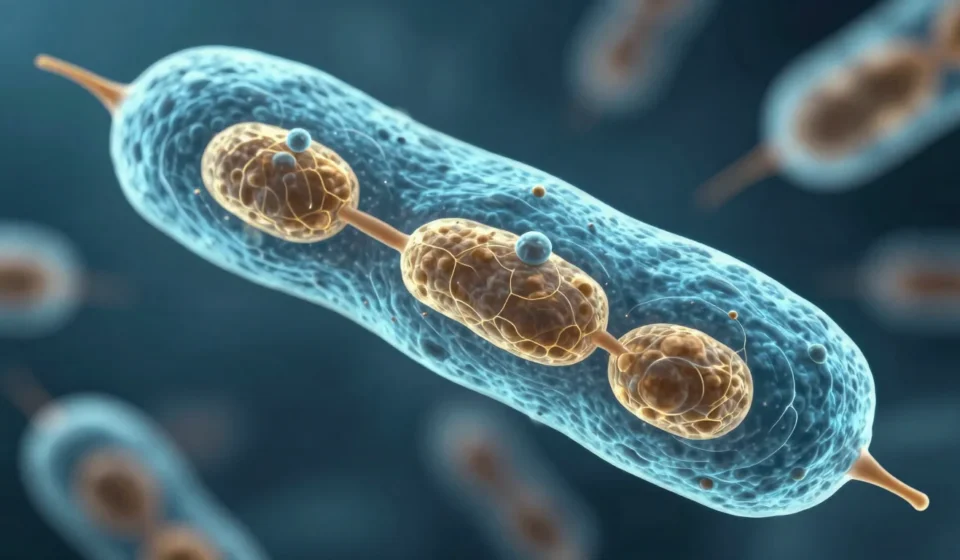
Autophagy is your body’s internal recycling system—a cellular process that removes damaged components and regenerates new, healthy cells. Emerging research links enhanced autophagy to longevity, reduced inflammation, and protection against age-related diseases. Learning how to increase autophagy naturally can be a powerful tool for supporting your overall Health & Wellness journey.
While the concept may sound complex, simple lifestyle interventions can stimulate this cleanup mechanism. The following seven methods are backed by clinical studies and can be integrated gradually into your routine.

1. Time-Restricted Eating (Intermittent Fasting)
Fasting is one of the most reliable triggers of autophagy. When you withhold calories for 16–24 hours, your cells shift from growth mode to repair mode. A 2019 study in Cell Metabolism showed that intermittent fasting significantly increases autophagic markers in humans, directly contributing to increased autophagy.
Start with a 16:8 schedule—fasting for 16 hours and eating within an 8-hour window. Gradually extend your fasting period as tolerated, always prioritizing hydration and listening to your body.
2. Moderate-Intensity Exercise
Physical activity, especially endurance and resistance training, stimulates autophagy in muscle and liver tissue. Research indicates that just 30–60 minutes of moderate exercise can kickstart the process, helping to increase autophagy.
Aim for activities like brisk walking, cycling, or swimming most days of the week.
Consistency matters more than intensity. Even daily movement helps maintain cellular recycling, supporting muscle health and metabolic function.
3. Fasting-Mimicking Diet (FMD)
A fasting-mimicking diet provides a controlled, low-calorie intake (around 800–1,100 calories per day) for 5 consecutive days per month. Clinical trials show this can increase autophagy while minimizing the stress of complete fasting. The diet is rich in healthy fats and low in protein and carbohydrates.
FMD protocols are designed to be safe for most people, but consulting your healthcare provider before starting is wise, especially if you have medical conditions.
4. Consuming Polyphenol-Rich Foods
Certain plant compounds, like resveratrol (found in grapes and berries) and curcumin (in turmeric), have been shown to upregulate autophagy. These polyphenols activate cellular stress pathways that promote cleanup, offering another natural way to increase autophagy.
Incorporate foods such as dark chocolate, green tea, and colorful vegetables into your meals.
No need to over-supplement; a balanced diet rich in these compounds supports natural autophagy without drastic measures.
5. Reducing Protein Intake Temporarily
Low protein intake—especially reducing leucine-rich sources like meat and dairy—can enhance autophagy. The amino acid leucine is a potent inhibitor of this process, so periodic protein restriction may help increase autophagy.
Consider one or two low-protein days per week.
Ensure you still meet essential amino acid needs overall; this strategy is best used under guidance to avoid nutrient deficiencies.
6. Including Spermidine-Rich Foods
Spermidine, a polyamine found in aged cheese, mushrooms, and wheat germ, is a known autophagy inducer. Epidemiological studies suggest higher spermidine intake is associated with reduced mortality, supporting efforts to increase autophagy.
Try adding fermented foods or whole grains to your diet.
Spermidine supplements are also available, but food sources offer additional synergistic nutrients.
7. Prioritizing Quality Sleep
Deep sleep triggers autophagy in the brain, clearing waste products that accumulate during waking hours. A 2019 study in Nature confirmed the glymphatic system’s role in waste removal during sleep—a critical component of cellular cleanup. Aim for 7–9 hours of uninterrupted rest each night to naturally increase autophagy.
Create a calming bedtime routine and limit blue light exposure before bed to support your body’s natural repair cycles.
Safety Considerations and Starting Points
While these methods are generally safe, extreme fasting or intense exercise can be stressful. Always start slowly and consult a healthcare professional, especially if you are pregnant, have a chronic condition, or take medications.
Listen to your body—autophagy is a gradual process that shouldn’t cause persistent discomfort.
Integrating just two or three of these strategies can yield meaningful benefits. Over time, you can experiment to find what works best for your lifestyle. For more science-backed wellness insights on how to increase autophagy, explore our Health & Wellness hub.