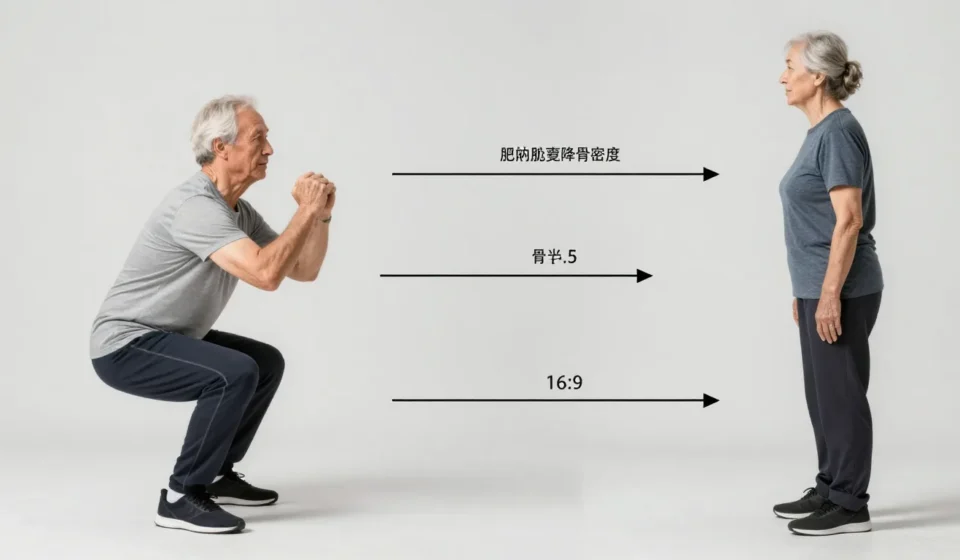

Understanding Muscle Mass as a Longevity Biomarker
Your muscle mass is more than a reflection of physical appearance—it’s a powerful predictor of how well you’ll age. Research increasingly points to strength training longevity as a cornerstone of healthy aging. Sarcopenia, the age-related loss of muscle, accelerates frailty, metabolic decline, and chronic disease risk.
Yet, this process is not inevitable.
Muscle acts as a metabolic reservoir, regulating glucose uptake and inflammation. When you engage in resistance training, you stimulate muscle protein synthesis and improve insulin sensitivity.
These changes directly counter the biological mechanisms that drive aging.
Before we dive deeper, it’s wise to consult your healthcare provider before starting any new exercise regimen. Individual needs vary, and what works for one person may require adjustment for another.
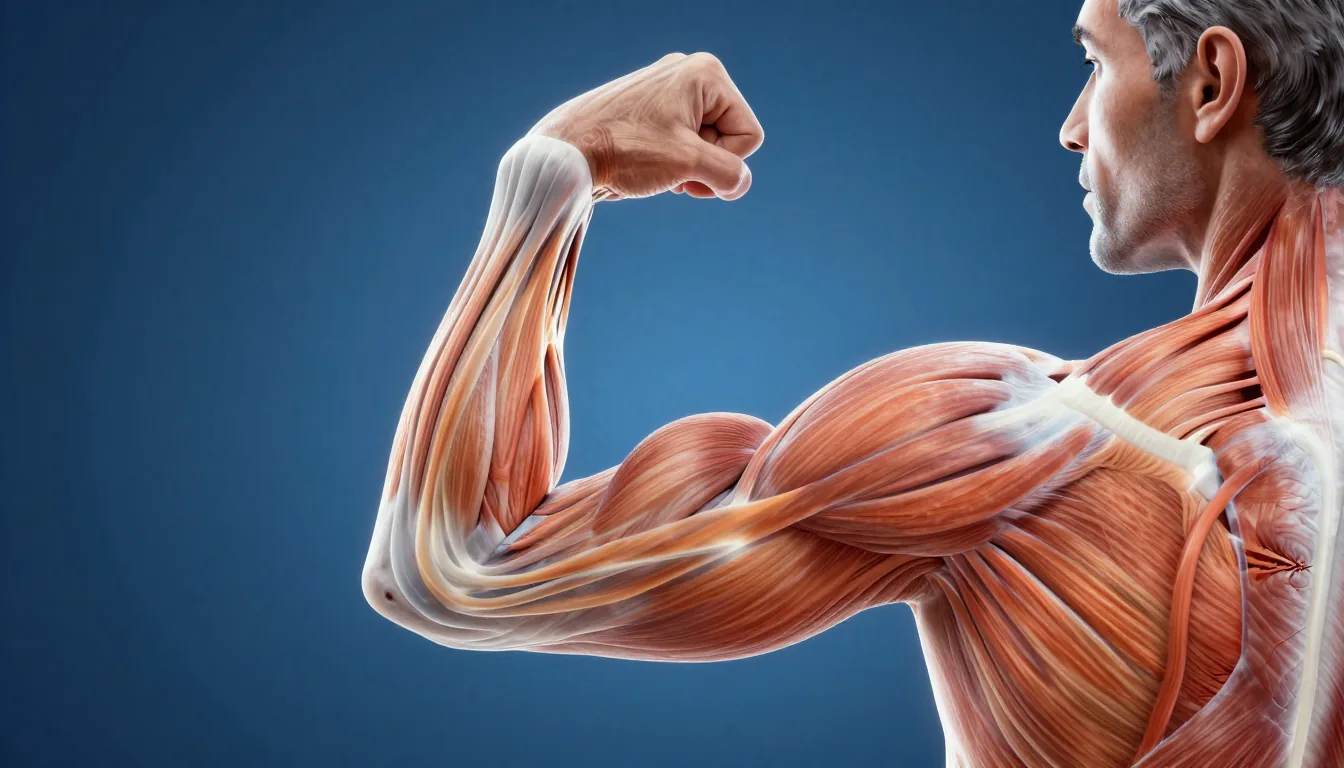
Strength Training Longevity: The Evidence Linking Muscle to Healthspan
Multiple large-scale studies have examined the relationship between muscle strength and mortality. A landmark analysis in the BMJ found that handgrip strength, a proxy for overall muscular fitness, inversely correlated with all-cause mortality. Each 5 kg decrease in grip strength was associated with a 16% higher risk of death.
Beyond grip, leg strength and appendicular lean mass show similar protective effects. A study published in Journal of the American Geriatrics Society observed that higher muscle mass reduced the risk of hospitalization in older adults. These findings underscore that preserving muscle is not optional—it’s essential for healthspan.
But how exactly does strength training longevity work? The mechanisms are multifaceted, involving hormonal, metabolic, and neural adaptations.
Metabolic Benefits: How Muscle Mass Regulates Energy Balance
Muscle tissue is highly metabolically active. Each pound of muscle burns about 6–7 calories at rest, compared to 2–3 for fat.
By increasing lean mass through strength training longevity protocols, you raise your basal metabolic rate. This helps prevent weight gain and metabolic syndrome as you age.
Moreover, muscle contractions during lifting enhance glucose transporter type 4 (GLUT4) translocation, improving blood sugar control. A 2019 meta-analysis in Sports Medicine confirmed that resistance training significantly reduces HbA1c in individuals with type 2 diabetes.
Frailty Prevention: Building Resilience Against Aging
Frailty is characterized by weakness, slow walking speed, and unintentional weight loss. Strength training directly counters each component.
Progressive overload—gradually increasing weights—builds both muscle and neural drive, leading to better balance and mobility.
Studies show that regular resistance exercise reduces the risk of falls by 30–50% in older populations. This may be one of the most practical benefits, as falls are a leading cause of disability and mortality in later life.
Practical Steps to Harness Strength Training for Longevity
If you're new to resistance training, starting gradually is key. Aim for two to three sessions per week, targeting all major muscle groups.
Compound movements like squats, deadlifts, and overhead presses yield the greatest metabolic and functional returns.
Following a structured strength training longevity program ensures steady progress. This consistency is key to long-term health gains.
Consistency matters more than intensity in the beginning. Even bodyweight exercises can stimulate muscle growth when performed with proper form and progression.
As you advance, incorporate higher loads and variations to continue challenging your muscles.
For older adults, supervision or guidance from a qualified trainer can be invaluable. Safety first—listening to your body and avoiding excessive strain ensures you can stick with the program long term.
Nutritional Support for Muscle Preservation
Pairing strength training with adequate protein intake boosts results. Aim for 1.6–2.2 grams of protein per kilogram of body weight daily, spread across meals.
Leucine-rich sources like eggs, dairy, soy, and meat optimize muscle protein synthesis.
This nutritional strategy enhances strength training longevity outcomes. Combined with regular exercise, it maximizes muscle preservation.
Vitamin D and omega-3 fatty acids also play supporting roles in muscle health. A blood test can help identify any deficiencies that need correction.
Final Thoughts: Your Muscles Are Your Longevity Organ
The science is clear: maintaining muscle mass is one of the most effective strategies for extending your healthspan. strength training longevity is not just about looking strong—it’s about building a body that resists disease and maintains function for years to come.
Whether you are in your 30s or 80s, it is never too late to start. Every rep builds a more resilient future.
As with all health interventions, consult with a professional to tailor a plan that suits your individual needs. Your future self will thank you.