
Fasting Mimicking Diet Biological Age: What the Research Shows
The fasting mimicking diet biological age connection has captivated researchers and health enthusiasts alike. This five-day, low-calorie, low-protein protocol, popularized by Dr. Valter Longo’s ProLon program, is designed to trigger fasting benefits without starvation.
Emerging clinical studies suggest it may reduce biomarkers of aging, including inflammation and epigenetic clock estimates. Let’s explore the evidence with a compassionate, science-first lens.
How the Diet Mimics Fasting Without Starvation
The Nutritional Blueprint of ProLon
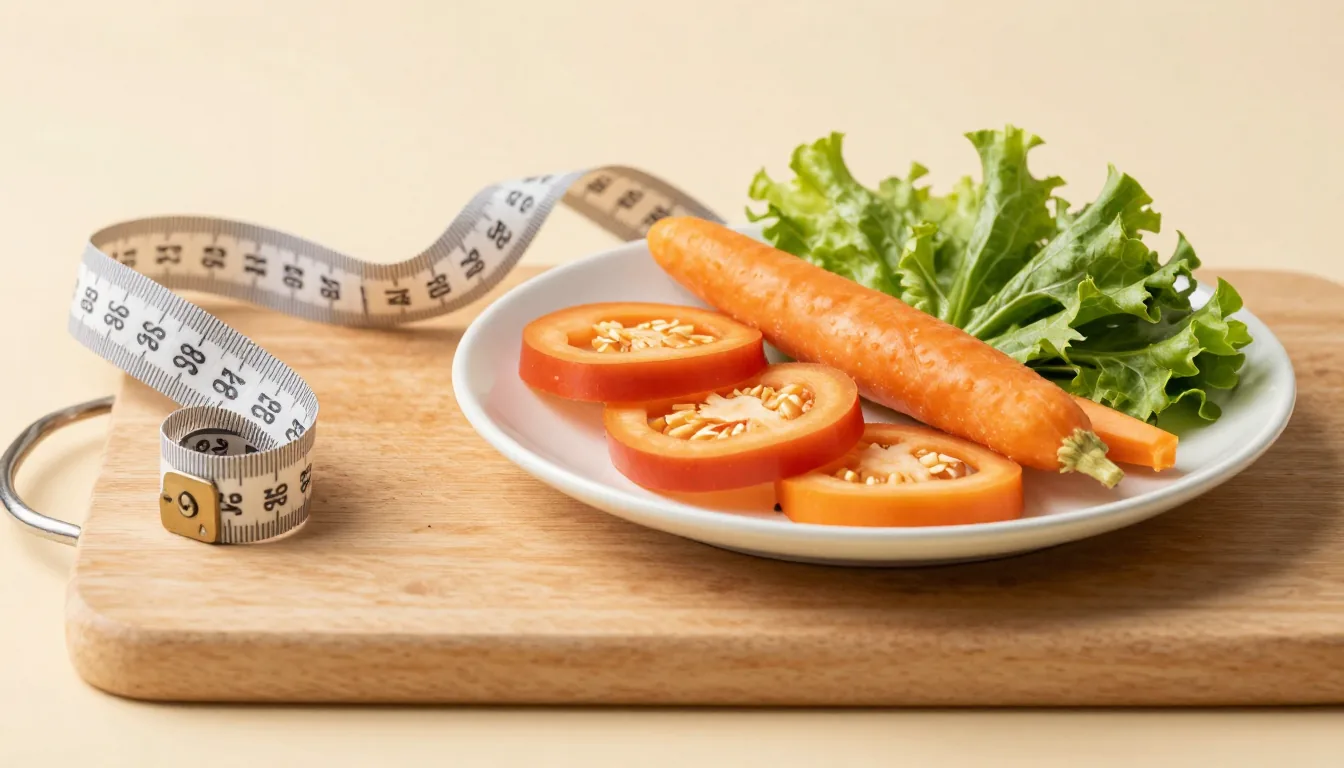
The fasting mimicking diet provides 700–1100 calories daily with specific macronutrient ratios: low protein (10%), high healthy fats (45%), and moderate carbohydrates (45%). This composition reduces IGF-1 and promotes autophagy without triggering repair-inhibiting pathways.
Participants consume prepackaged soups, bars, and supplements over five consecutive days. The protocol repeats monthly for three to six cycles in research settings, minimizing muscle loss and side effects like dizziness.
Clinical Findings on Epigenetic Age Reversal
A landmark 2021 study in Nature Communications examined ProLon’s effect on biological age via DNA methylation clocks. After three cycles, participants showed an average 2.5-year reduction in biological age compared to controls, along with decreased insulin resistance and inflammatory markers.
Another trial in Cell Metabolism reported lower C-reactive protein and trunk fat—both linked to aging. These findings suggest the fasting mimicking diet biological age benefits are mediated through metabolic and cellular rejuvenation.
Key Biomarkers Improved by the Diet
Reduced Inflammation and Oxidative Stress
Chronic low-grade inflammation accelerates biological aging. After three cycles of the diet, participants experience significant drops in pro-inflammatory cytokines like IL-6 and oxidative stress markers such as F2-isoprostanes.
This anti-inflammatory effect may protect against cardiovascular and neurodegenerative diseases. It is a gentle yet powerful way to support your body’s resilience and potentially slow the fasting mimicking diet biological age clock.
Enhanced Autophagy and Cellular Cleanup
Autophagy—clearing damaged cellular components—is upregulated during fasting. The diet triggers this pathway while providing enough nutrients to prevent catabolism, improving stem cell function and tissue regeneration in animal studies.
Human data is emerging; a recent pilot study found increased ketone bodies and autophagy markers after one cycle. This suggests even short-term dietary interventions can kickstart cellular renewal and contribute to the fasting mimicking diet biological age reduction.
Mechanisms Behind Biological Age Reversal
The reduction in biological age from the fasting mimicking diet biological age protocol is thought to stem from lowered IGF-1, increased ketosis, and enhanced autophagy. These processes reduce cellular damage and promote repair at the molecular level.
Additionally, the diet’s anti-inflammatory effects and improvement in metabolic health help reset epigenetic clocks. While more research is needed, the mechanisms align with known longevity pathways.
Safety and Practical Tips
While the fasting mimicking diet biological age intervention is promising, it requires medical supervision. Consult a healthcare provider if you have diabetes, eating disorders, or take medications. The diet is designed for adults 40+ and not for pregnant women or adolescents.
Side effects are mild: hunger, fatigue, occasional headaches that resolve by day two. ProLon provides guidance on hydration and resuming normal eating.
Consistency over multiple cycles yields the most meaningful changes.
Integrating FMD into a Longevity Lifestyle
To maximize the benefits of the fasting mimicking diet biological age strategy, combine it with other healthy habits. Prioritize sleep, stress management, and regular exercise. Pairing FMD with a plant-based Mediterranean diet between cycles may amplify results.
For ongoing support, explore our Health & Wellness section for more evidence-based strategies. The journey to slower aging is a marathon—each thoughtful step counts. Ultimately, the fasting mimicking diet biological age results depend on consistency and a holistic lifestyle.
Curious about trying it yourself? Start with one supervised cycle and track your blood markers.
As always, listen to your body and seek professional guidance. Your cells will thank you for the compassionate care.