
NAD+ precursors comparison: Why They Matter for Healthy Aging
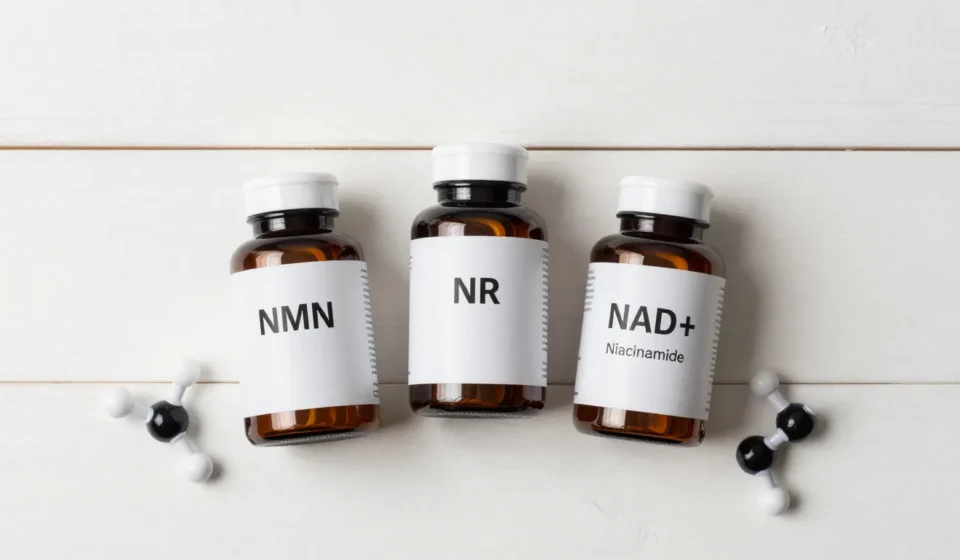
Declining NAD+ levels are a hallmark of aging, linked to metabolic slowdown, DNA damage, and reduced energy. Supplementing with NAD+ precursors has become a promising strategy to counteract these changes. This NAD+ precursors comparison examines three top contenders: nicotinamide mononucleotide (NMN), nicotinamide riboside (NR), and niacinamide (nicotinamide).
NAD+ is a crucial coenzyme involved in energy metabolism, DNA repair, and cellular signaling. Its decline with age contributes to many age-related diseases.
Restoring youthful levels may promote healthy aging.
While all three can raise NAD+, they differ in bioavailability, side effects, and clinical support. Understanding these nuances helps you make an informed choice for your longevity regimen.
Let's explore the evidence and see how each stacks up in this NAD+ precursors comparison.
NMN: The Direct NAD+ Precursor
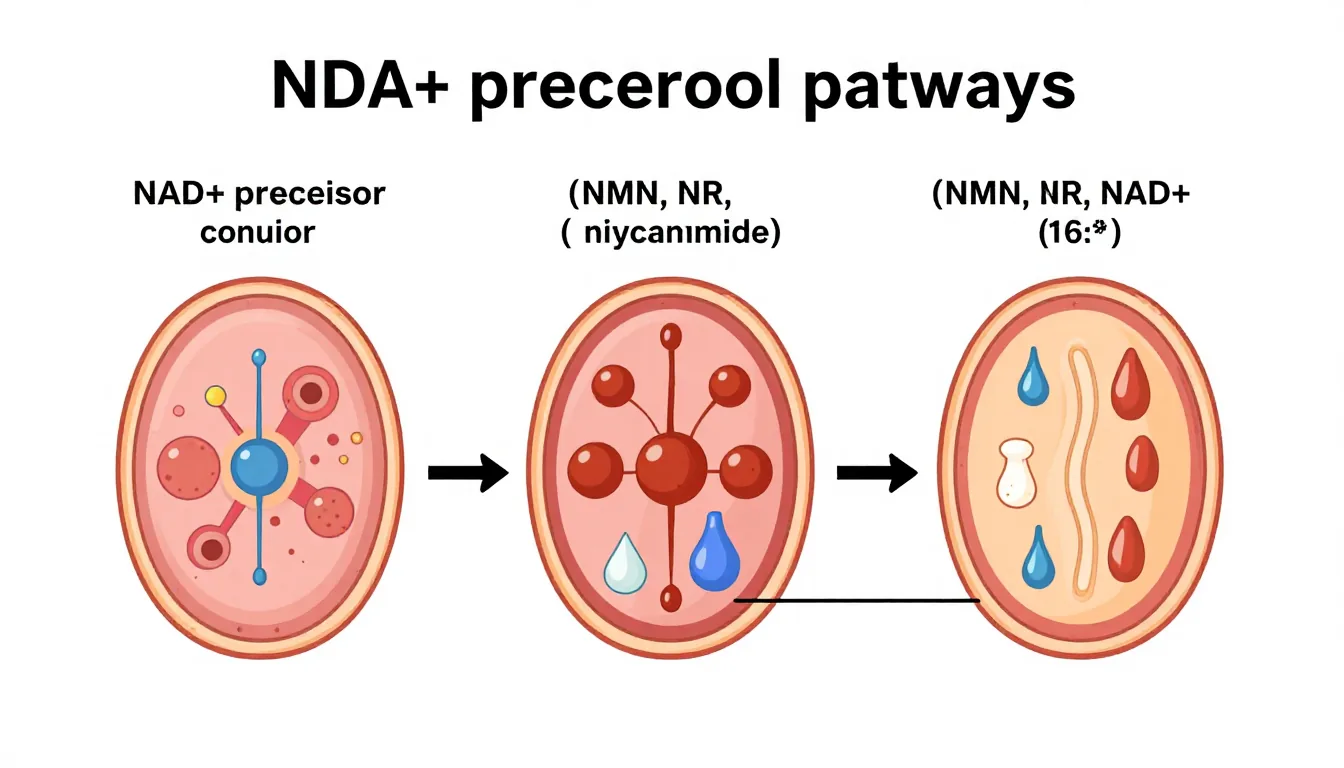
NMN is a precursor that converts to NAD+ via the salvage pathway. Animal studies show it improves mitochondrial function, insulin sensitivity, and even reverses some age-related decline.
However, human trials are still limited, which is a key point in any NAD+ precursors comparison.
One small human study found NMN supplementation increased NAD+ levels by up to 38% after 6 weeks. Side effects are minimal, though some report mild nausea.
NMN's advantage is its direct conversion, but its cost and lack of long-term safety data are drawbacks.
Emerging research on NMN in humans is promising but scarce. A 2021 study found that NMN improved physical performance in older adults.
More large-scale trials are underway to confirm these benefits.
NR: The Well-Studied Alternative
Nicotinamide riboside (NR) has more human research behind it. A 2022 trial in Nature Scientific Reports showed that 500 mg of NR daily for 6 weeks raised NAD+ by 60% without serious adverse effects. This makes NR a strong candidate in any NAD+ precursors comparison.
NR also supports cognitive function and cardiovascular health. Some users experience flushing, though less than niacin.
NR is often more affordable than NMN but may be slightly less efficient in converting to NAD+ in certain tissues.
Comparative Absorption and Bioavailability
When comparing these three precursors, absorption rates differ. NR is absorbed via the gut and converted to NAD+ quickly, while NMN may require active transport.
Niacinamide is easily absorbed but its impact on sirtuins is a concern. This makes bioavailability a key factor in your choice.
Niacinamide: The Budget-Friendly Option
Niacinamide, also called nicotinamide, is a form of vitamin B3. It's widely available and inexpensive.
Research indicates it effectively boosts NAD+ but can inhibit sirtuin activity at high doses, potentially blunting some longevity benefits. This nuance is important for a comprehensive NAD+ precursors comparison.
A 2019 study in Aging Cell found that niacinamide increased NAD+ but also raised concerns about its effect on epigenetic regulators. For most people, 250–500 mg daily is safe, but higher doses may cause liver enzyme elevation.
High doses of niacinamide (over 1 gram) may cause nausea and liver toxicity. Sticking to moderate doses under 500 mg is generally safe for long-term use.
Clinical Evidence and Practical Takeaways
When comparing these three, consider your goals and budget. NR has the strongest human data for safety and efficacy.
NMN shows promise but needs more trials. Niacinamide is cheap but may have trade-offs for longevity.
This NAD+ precursors comparison underscores the need for personalized choices.
A 2023 review in Trends in Endocrinology & Metabolism emphasized that NAD+ precursor selection should be personalized. For healthy aging, many experts recommend NR or NMN, while niacinamide remains a good option for general health.
Ultimately, the best NAD+ precursor depends on your health goals and budget. For those seeking proven benefits without breaking the bank, NR offers a balanced option.
NMN may appeal to early adopters willing to pay a premium for potentially superior conversion. Niacinamide remains a reliable choice for general wellness.
How to Choose Your NAD+ Booster
- For maximum NAD+ increase: NR (500 mg/day) with strong clinical backing.
- For direct pathway: NMN (250–500 mg/day) but monitor emerging research.
- For budget-conscious: Niacinamide (250–500 mg/day) with awareness of potential sirtuin inhibition.
Always consult a healthcare provider before starting any supplement. For more guidance, explore our Health & Wellness archives.