

Modern Scientific Findings on Your Daily Brew
For decades, coffee was viewed with suspicion. A growing body of evidence now links regular consumption to a lower risk of premature death. The term coffee longevity has emerged in scientific circles as researchers uncover the beverage’s potential to extend healthspan.
Observational studies involving hundreds of thousands of participants show that moderate coffee drinkers—those consuming 2-4 cups daily—have a 10–15% lower all-cause mortality risk. This benefit appears independent of caffeine, as both caffeinated and decaf versions yield similar results.
The protective effects are strongest against cardiovascular disease, certain cancers, and neurodegenerative conditions.
For example, the coffee longevity association is seen across diverse populations, from European to Asian cohorts. However, cause and effect remain debated since most data come from observational studies.
The sheer volume of research supports a favorable association that warrants attention.
How Coffee Longevity Works: Key Mechanisms
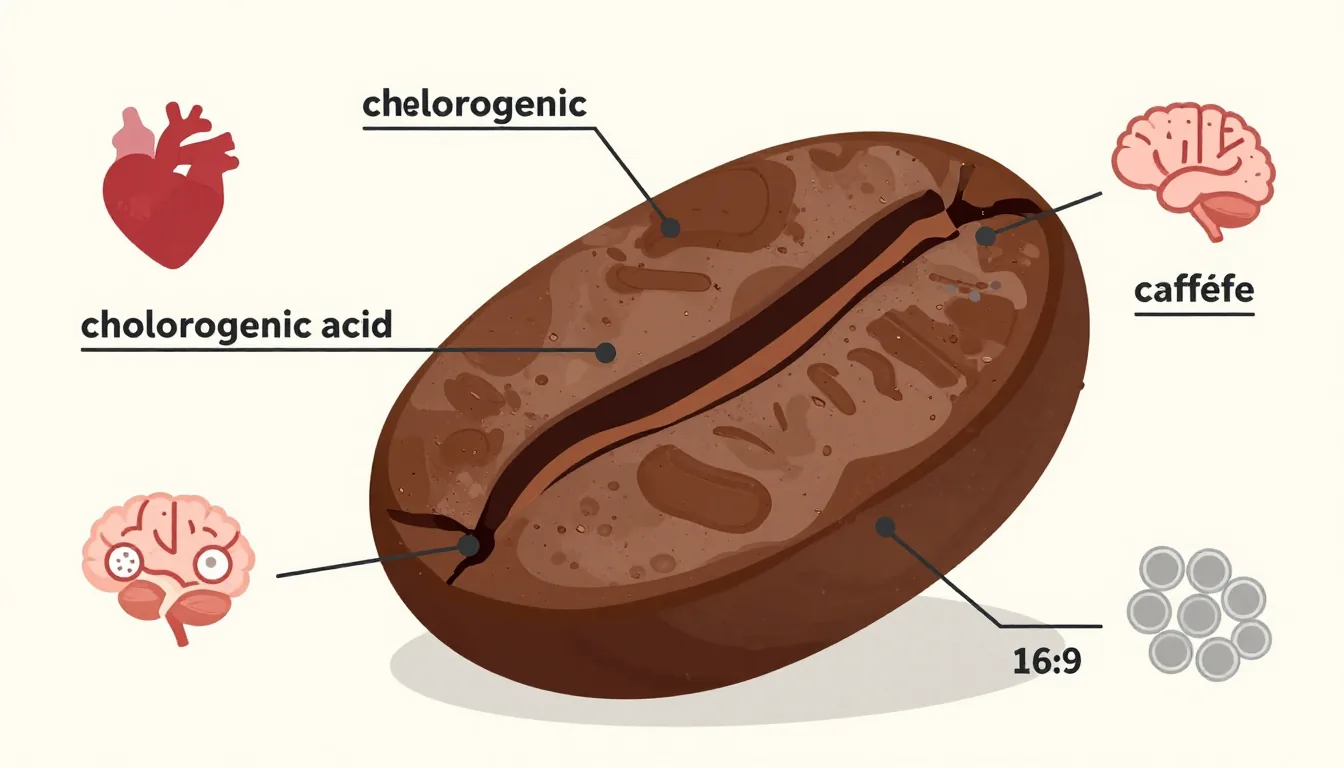
Polyphenols and Chronic Inflammation
Coffee is rich in polyphenols, especially chlorogenic acid, which acts as a potent antioxidant. These compounds help neutralize free radicals and reduce systemic inflammation.
By suppressing inflammatory markers like CRP and IL-6, regular consumption may slow cellular damage.
Laboratory studies show that coffee polyphenols activate Nrf2 pathways, boosting endogenous antioxidant defenses. This mechanism aligns with the observation that coffee drinkers have lower oxidative stress biomarkers.
These compounds are central to the coffee longevity connection.
Even one cup daily appears beneficial.
Caffeine’s Role Beyond Stimulation
Caffeine itself may enhance longevity through adenosine receptor antagonism. This improves mitochondrial function and energy metabolism, mimicking caloric restriction effects in animals.
In humans, caffeine intake is linked to lower risks of liver fibrosis and improved insulin sensitivity.
Important individual differences exist: those who metabolize caffeine slowly (due to CYP1A2 gene variants) may not experience the same benefits. Slow metabolizers could face increased cardiovascular risk at high intakes.
Thus, personalized advice is key.
What the Latest Cohort Studies Reveal
The UK Biobank study of over 500,000 people found that 2-3 cups per day associated with a 12% lower risk of death. Decaf drinkers saw similar reductions, suggesting compounds beyond caffeine are responsible.
These findings reinforce the association between coffee longevity.
For detailed evidence, see this meta-analysis.
Ground coffee—rich in diterpenes like cafestol—may raise LDL cholesterol in boiled preparations. Filtered coffee removes these compounds, making it safer for blood lipid profiles.
For most people, filtered black coffee with minimal additives is optimal.
A 2022 prospective study in the Annals of Internal Medicine followed over 170,000 participants for a decade. Results showed that adding sugar slightly reduced benefits, but unsweetened coffee remained strongly linked to lower mortality.
Artificial sweeteners did not diminish the effect.
More data is available from this BMJ study.
Practical Takeaways for Coffee Lovers
- Moderation is key: 2–4 cups per day appears optimal; avoid exceeding 5-6 cups unless you are a fast metabolizer.
- Choose filtered over boiled: Use paper filters to remove cholesterol-raising diterpenes for heart health.
- Go easy on additives: Skip sugar and heavy cream; a splash of milk is fine.
- Listen to your body: If you experience anxiety, palpitations, or insomnia, reduce intake or switch to decaf.
Remember that the coffee longevity benefits are best realized with moderation. Those with existing health conditions or taking certain medications should consult a healthcare provider.
Pregnant women are advised to limit caffeine to under 200 mg daily.
Incorporating coffee into a balanced lifestyle amplifies its potential. For more evidence-based strategies, explore our Health & Wellness archive.
Future Directions in Coffee and Longevity Research
Scientists are now investigating coffee's effect on epigenetics and DNA methylation patterns. Early data suggests coffee consumption correlates with slower biological aging clocks.
The role of the gut microbiome in metabolizing coffee polyphenols is also a hot topic.
Future research will clarify how coffee longevity is achieved at the molecular level.
Randomized controlled trials are needed to confirm causality. One ongoing trial is examining whether 3 cups daily affect telomere length over 12 months.
If positive, coffee could join lifestyle interventions proven to slow aging at the molecular level.