
Sustainable Seafood Guide: Why Your Choices Matter
This sustainable seafood guide empowers you to make informed decisions at the market. Overfishing and destructive fishing practices threaten marine ecosystems worldwide.
As a consumer, you have the power to drive demand for responsibly sourced fish.
By choosing certified sustainable options, you support fisheries that maintain healthy populations and protect marine habitats. Every purchase sends a signal to the industry about what practices are acceptable.
Overfishing already depletes one-third of global fish stocks.
Your choices can help reverse this trend when you rely on trusted sources and labels. Escaping the trap of unsustainable seafood requires awareness and action.
Decoding Seafood Certifications
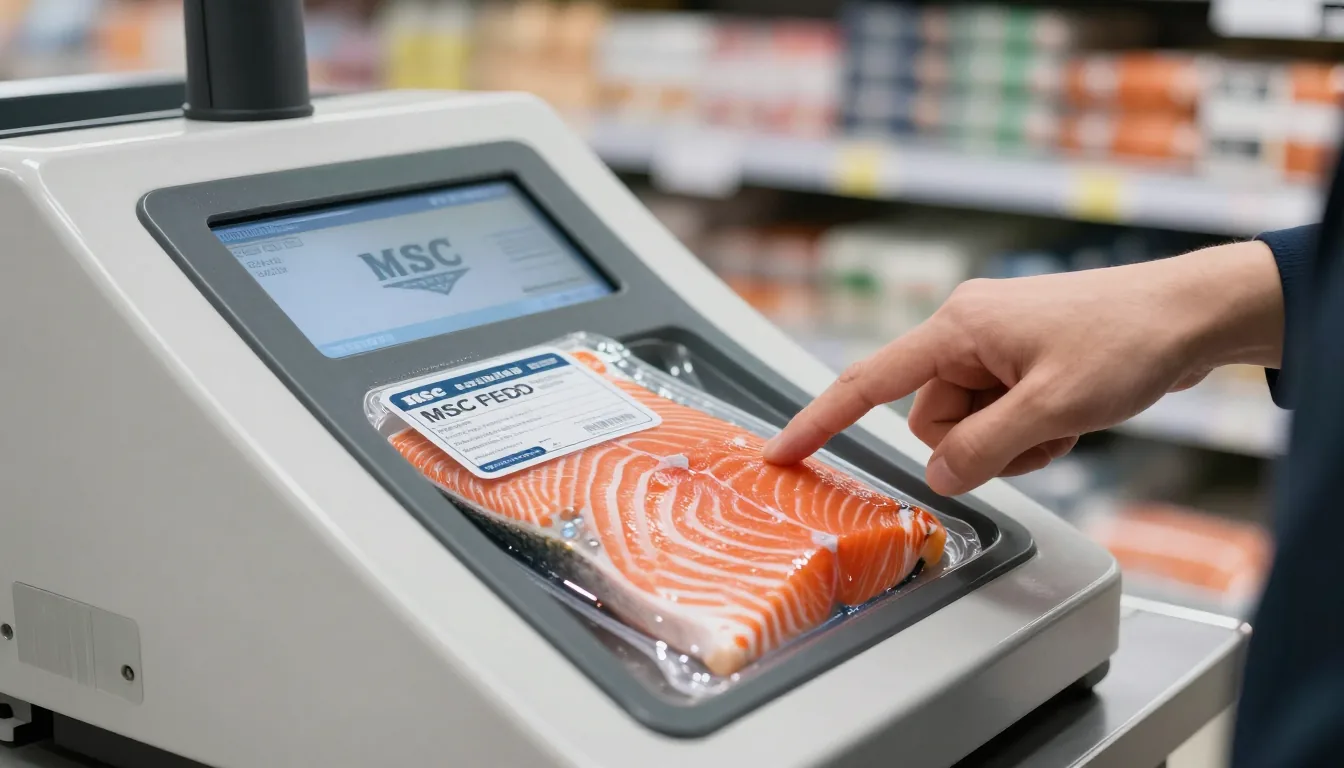
Look for eco-labels such as Marine Stewardship Council (MSC) for wild-caught and Aquaculture Stewardship Council (ASC) for farmed seafood. These certifications ensure traceability and adherence to environmental standards.
Beware of vague terms like 'natural' or 'sustainably caught' without third-party verification.
Third-party audits and chain-of-custody documentation guarantee that the fish you buy comes from a certified source. This is crucial for maintaining trust in the supply chain.
As outlined in this sustainable seafood guide, these labels are your best assurance.
Some retailers now offer their own sustainability programs, but independent labels remain the gold standard. Always check for the official logo on packaging.
Understanding MSC and ASC Labels
The MSC blue label guarantees wild fish from well-managed fisheries that prevent overfishing. The ASC label indicates responsible fish farming with minimal ecological impact.
Both require regular audits and traceability from ocean to plate.
Eco-Friendly Fish Choices
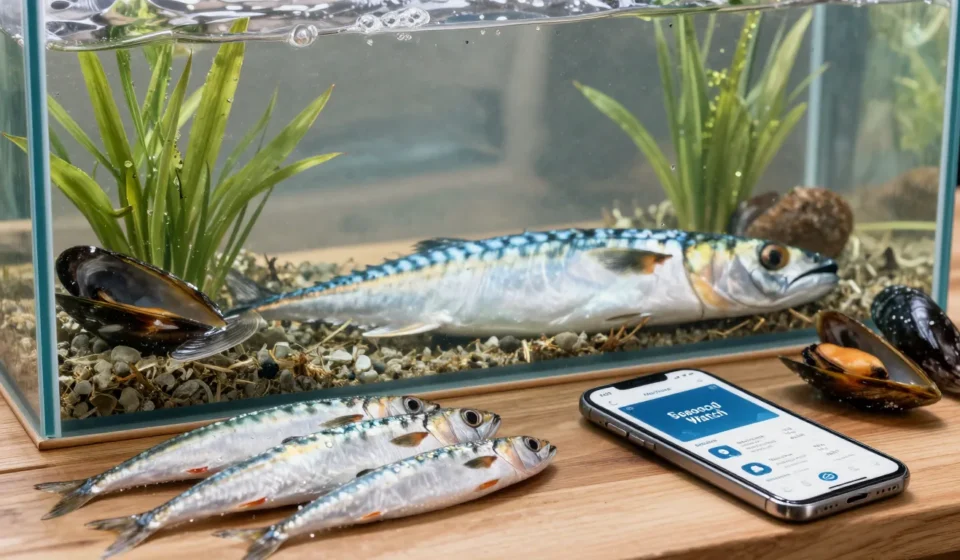
This sustainable seafood guide recommends opting for low-impact species like sardines, mackerel, and farmed mussels. Avoid overfished species such as Atlantic cod and bluefin tuna.
Use the Monterey Bay Aquarium Seafood Watch app for up-to-date recommendations.
Additionally, many local seafood markets offer seasonal selections that are both fresh and sustainable. Asking about the catch method is also key to verifying eco-friendliness.
Species to Prioritize and Avoid
Choose Pacific halibut over Atlantic, and skipjack tuna over albacore. Farmed clams and oysters actually improve water quality.
Always check local advisories for mercury levels and sustainability ratings.
Regional and Seasonal Options
Seafood sustainability varies by region and season. For example, Alaskan salmon in summer is a better choice than imported salmon in winter.
Check resources like NOAA FishWatch for region-specific guidance.
How to Support Responsible Fisheries
Following this sustainable seafood guide, you can support responsible fisheries by buying local whenever possible. This reduces your carbon footprint and supports community-based fisheries.
Ask your fishmonger about the origin and catch method.
Pole-and-line and handline fishing cause less bycatch than trawling. Community-supported fisheries (CSFs) allow you to subscribe to a share of the local catch.
This direct relationship helps small-scale fishermen and ensures transparency.
Questions to Ask at the Counter
Inquire whether the fish is farmed or wild, and where it was caught. Request proof of certification or traceability.
Many retailers now provide QR codes linking to supply chain details.
Smart Seafood Shopping Tips
When you’re at the store, keep these strategies in mind to simplify your decisions.
- Check for seafood labels and traceability codes.
- Choose whole fish over fillets to better identify species.
- Explore plant-based seafood alternatives for variety.
- Use apps like Seafood Watch for region-specific recommendations.
For more eco-conscious tips, visit our Sustainability & Ecology section. Learn more about certification standards at MSC and ASC. Additional resources from Seafood Watch can guide your choices.
Bonus: Simple Swaps for Busy Shoppers
If you're short on time, default to small fish like sardines or farmed shellfish. Canned skipjack tuna is often a better choice than albacore.
Pre-packaged sustainable options are increasingly available at major retailers.
Remember that frozen fish can be as sustainable as fresh, often frozen at sea to preserve quality. Look for the same certifications on frozen products.
Common Myths About Sustainable Seafood
Some people think that all farmed salmon is bad. In reality, ASC-certified farms have strict environmental standards.
Others believe that 'sustainable' fish is always expensive. Actually, small fish like sardines and canned options are budget-friendly.
Another myth is that frozen fish is inferior. High-quality freezing methods lock in nutrients and extend shelf life, reducing food waste.
With this sustainable seafood guide, you can confidently navigate the seafood counter. Your informed choices contribute to healthy oceans and a sustainable future.