

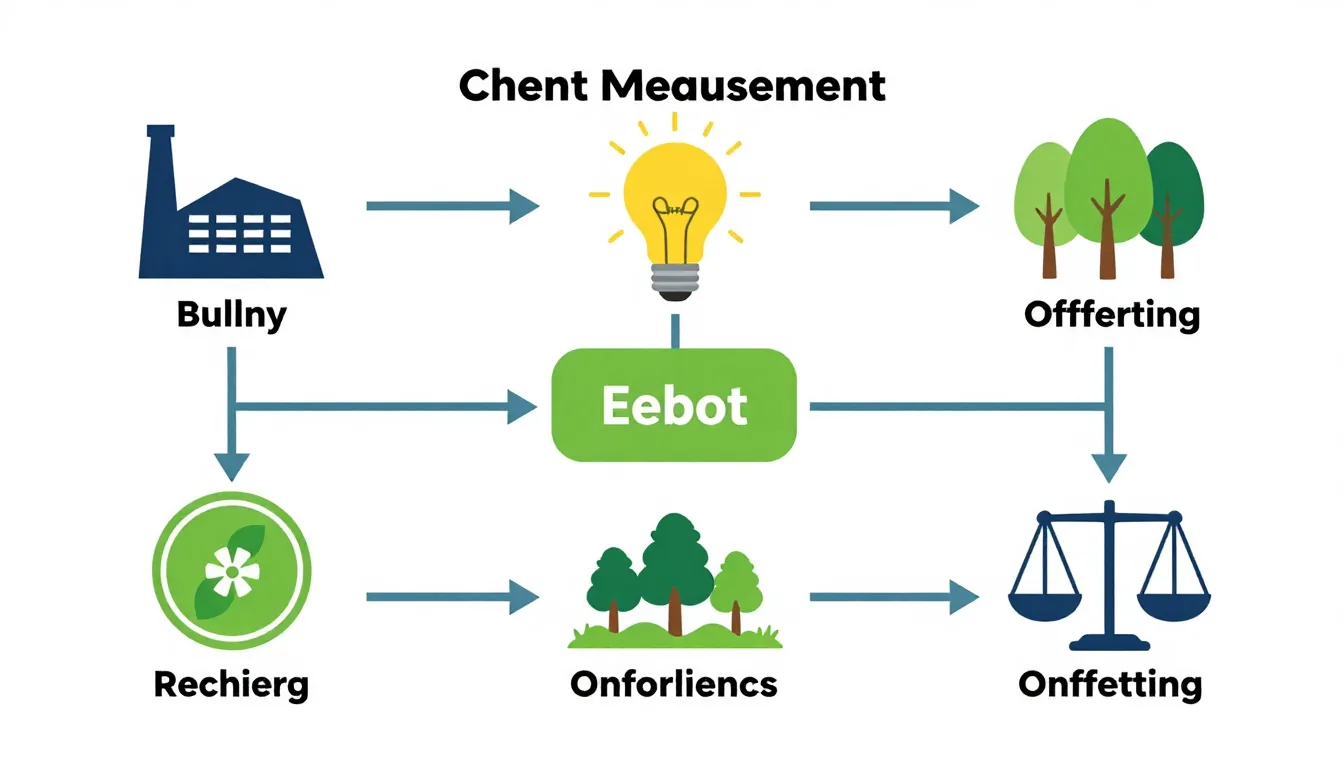
A carbon neutral business measures, reduces, and offsets its greenhouse gas emissions to net zero. This means balancing emitted CO₂ with equivalent reductions or removals elsewhere. For companies, it’s not just a badge—it’s a strategic shift toward long-term resilience.
Many firms start by calculating their carbon footprint across Scope 1 (direct), Scope 2 (energy), and Scope 3 (supply chain) emissions. Tools like the GHG Protocol provide a standard framework.
Once you know your baseline, you can prioritize reductions and choose credible offsets.
Transitioning to a carbon neutral business model also differentiates your brand in a crowded market. Consumers increasingly favor companies with verifiable green credentials, making sustainability a competitive advantage.
Defining a Carbon Neutral Business
Being carbon neutral means your business removes as much CO₂ from the atmosphere as it emits. This is achieved through direct emission reductions and purchasing carbon offsets.
Many companies aim for this goal to align with global climate targets.
Understanding your current footprint is the critical first step. Without a baseline, reduction efforts lack direction.
Many businesses hire consultants to ensure accuracy.
Step 1: Measure Your Emissions Accurately
You can’t manage what you don’t measure. Use a carbon calculator tailored to your industry.
Include all operations: shipping, employee commuting, manufacturing, and even digital cloud usage.
Carbon accounting software like SustainLife or Normative can automate data collection. Third-party verification adds credibility. Consider services like Climate Neutral or Gold Standard certification.
Accurate measurement reveals the biggest emission sources—usually energy consumption or logistics. Popular tools include EPA, Carbon Trust, and custom software.
Step 2: Reduce Energy Use and Switch to Renewables
Efficiency upgrades like LED lighting and smart HVAC slash costs and emissions. Then source renewable energy via power purchase agreements (PPAs) or on-site solar panels.
Many grids now offer green tariffs.
For example, companies like Microsoft have committed to 100% renewable energy by 2025. Start small: even a 20% renewable switch makes a dent.
Pair with energy audits to identify low-hanging fruit.
Step 3: Optimize Supply Chains and Logistics
Scope 3 emissions often dominate a company’s footprint. Work with suppliers to adopt greener practices.
Consolidate shipments, use electric delivery vehicles, and choose local sourcing where possible.
Retailers like IKEA have redesigned packaging to reduce weight and volume. Every kilogram saved in shipping reduces fuel use.
Encourage suppliers to report their own emissions and set reduction targets.
Step 4: Invest in High-Quality Carbon Offsets
After reduction, purchase offsets for residual emissions. Choose projects that are verified, additional, and permanent—such as reforestation, methane capture, or renewable energy in developing nations.
Avoid cheap, unverified credits. Look for certifications like Verra’s VCS or the Gold Standard.
Offsets are a bridge, not a solution; they complement aggressive reduction targets.
Step 5: Engage Employees and Customers
Turn sustainability into a team effort. Offer incentives for carpooling, remote work, or using public transit.
Educate staff on reducing waste and energy at work.
Communicate your carbon neutral journey transparently to customers. Use clear labels and progress reports.
Patagonia’s “1% for the Planet” model shows how storytelling builds loyalty.
Step 6: Set Science-Based Targets
Align with the Paris Agreement by adopting Science Based Targets. These commit you to emissions cuts consistent with keeping global warming below 1.5°C. Many large corporations now use this framework.
Regularly report progress via platforms like CDP. Investors increasingly demand such disclosures.
Being proactive keeps you ahead of regulations and attracts green capital.
Step 7: Continuously Improve and Certify
Carbon neutrality isn’t a one-time achievement. Re-measure annually to track progress and adjust strategies.
Seek third-party certification like B Corp or CarbonNeutral® to validate your claims.
For more insights on Sustainability & Ecology, explore our resource hub. The path to net zero is iterative—every step matters. Certification as a carbon neutral business requires ongoing commitment and transparency.
Embracing carbon neutral business strategies is a journey. Start with small wins and scale up over time.
Ultimately, a net-zero future depends on today’s actions.
Adopting carbon neutral business practices not only cuts emissions but also reduces operational costs and builds brand trust. Start today to future-proof your enterprise.