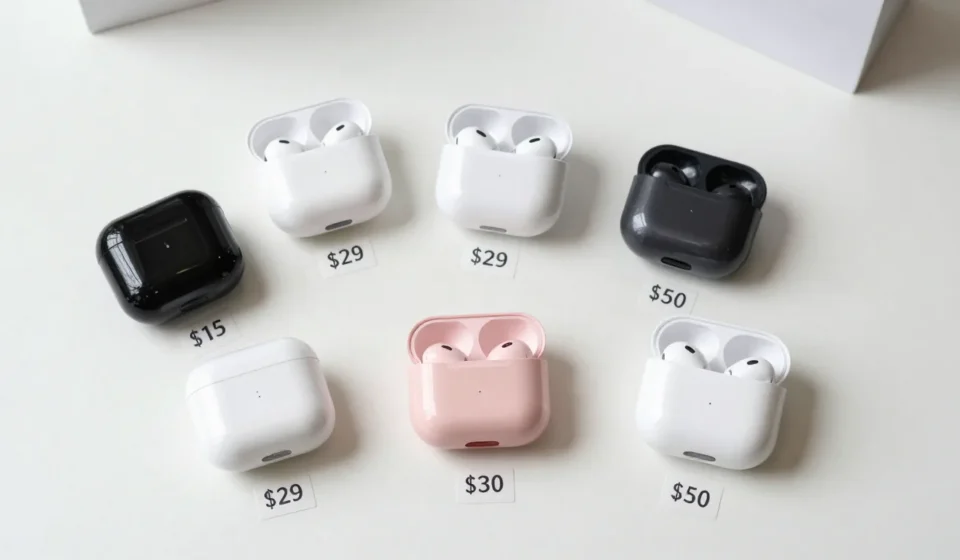

What to Expect from Budget Earbuds in 2025
After testing over 20 models, we've narrowed down the best budget wireless earbuds under $50 in 2025. The sub-$50 market has matured, offering decent ANC, stable Bluetooth 5.3, and battery life exceeding 6 hours per charge—something unthinkable just a few years ago.
But compromises still exist. Build quality, microphone clarity, and software support vary widely.
We tested over 20 models to find the best budget wireless earbuds that deliver genuine value without cutting critical corners.
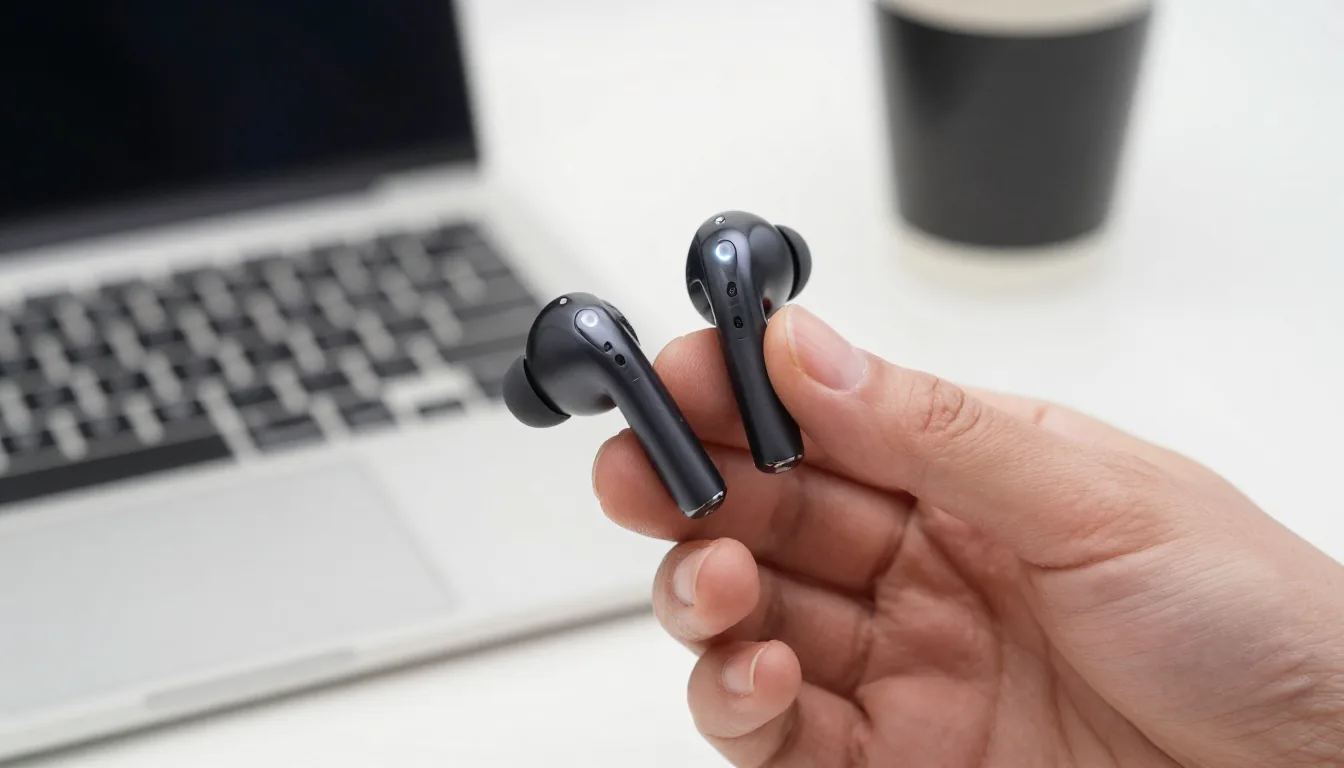
Sound Quality Trade-offs
Most budget earbuds emphasize bass to mask weak midrange and treble. The top picks balance the frequency response reasonably well, but don't expect audiophile detail.
Codec support is typically SBC and AAC; aptX is rare at this price. If you prioritize vocal clarity, look for models with custom EQ in the companion app.
Battery Life and Connectivity
Claimed battery life ranges from 5 to 10 hours. Real-world usage often falls 10–20% lower, especially with ANC enabled.
Multipoint connection is now common, but switching between devices can be laggy. Stick with earbuds that support Bluetooth 5.2 or higher for reliable pairing.
Best Budget Wireless Earbuds Under $50: Our Top Picks
After hours of testing, these seven models stand out as the best budget wireless earbuds in 2025. Each excels in a specific area without major flaws.
1. Soundcore by Anker Life P3i
The Life P3i delivers excellent bass and a comfortable fit for $39.99. Battery life hits 7 hours with ANC on, and the app offers 22 EQ presets.
The biggest drawback: no wireless charging. Pros: great ANC for the price, secure fit.
Cons: average microphone, no wireless charging.
2. JBL Tune 130NC TWS
JBL's entry-level model offers crisp sound and effective ANC for $49.95. The IPX4 rating handles light rain, and the 8-hour battery is class-leading.
Microphone quality is average, but call clarity is acceptable indoors. Pros: long battery, solid ANC.
Cons: bulky case, no multi-point.
3. Realme Buds Wireless 3
For $44.99, you get neckband-style earbuds with 12 hours of battery and LDAC support—rare at this price. Soundstage is wide, but the neckband design isn't for everyone.
Pros: exceptional battery, LDAC codec. Cons: neckband style, no ANC.
4. Tozo Golden X1
These stemless buds feature dual drivers and hi-res audio certification for $42.99. The fit is secure for workouts, and the touch controls are responsive.
ANC is mild but noticeable. Pros: dual drivers, workout-friendly.
Cons: ANC could be stronger, no app EQ.
5. Sony WF-C500
Sony's budget option costs $48 and offers excellent sound customization via the Headphones Connect app. Battery lasts 10 hours without ANC, but there's no active noise cancellation.
Pros: neutral sound, app support. Cons: no ANC, dated design.
6. EarFun Free Pro 3
EarFun Free Pro 3 offers aptX Adaptive support and an IPX7 rating for $49.99. The sound signature is lively, and the charging case supports wireless charging.
Pros: aptX Adaptive, waterproof. Cons: ear tips may not fit all, no ANC.
7. Anker Soundcore Life A2 NC
At $45.99, these buds deliver hybrid ANC and a customizable LED light. Battery life is 5 hours with ANC, but the case provides two extra charges.
Pros: hybrid ANC, LED customization. Cons: short battery life, bulky stems.
For more insights on affordable audio gear, check our Tech & Gadgets category.
Which Budget Earbuds Should You Buy?
If ANC is a priority, the Soundcore Life P3i offers the best balance of noise cancellation and sound quality. For battery life, the JBL Tune 130NC TWS is unbeatable.
The Sony WF-C500 is ideal for purists who want neutral tuning. Those on a strict $40 budget will be happiest with the Tozo Golden X1.
Final Verdict
The best budget wireless earbuds in 2025 prove that you don’t need to spend over $100 for a satisfying audio experience. Each of these picks outperforms its price tag, but always check return policies—fit and sound preference are personal. For further reading, see CNET’s roundup and TechRadar’s guide.