
Limitations of Traditional Workouts
Sport-specific training focuses on movement patterns that directly transfer to your sport. Unlike generic bodybuilding splits that isolate muscles, sport-specific training trains your body as a unit, improving coordination and power.
This approach builds functional strength that enhances athletic performance.
Generic workouts target muscles in isolation, ignoring how your body moves as a whole during sports. You don't bicep curl while sprinting or leg press during a jump.
These routines lack transfer to athletic performance and create muscle imbalances, which can lead to inefficient movement and increased injury risk over time.
Key Benefits of Sport-Specific Training
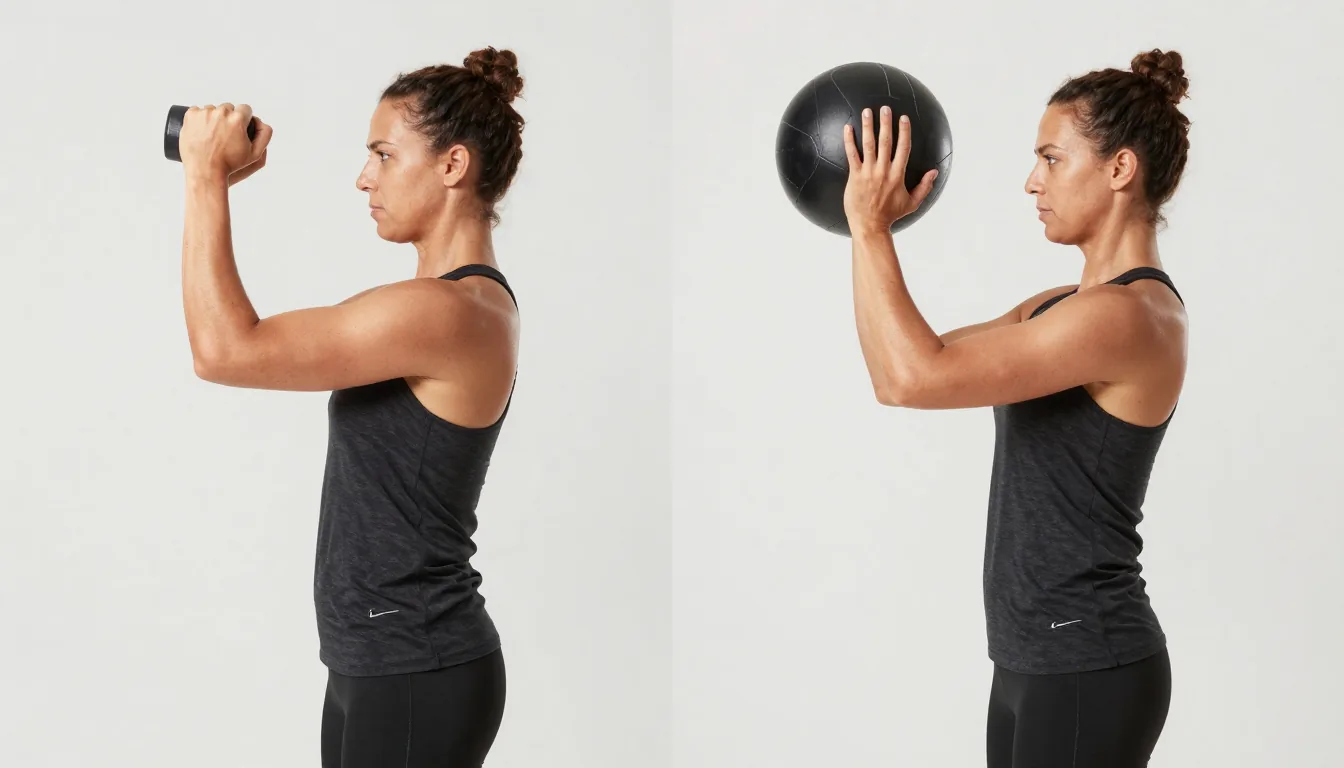
Sport-specific training targets movement patterns that mimic your sport's demands. It improves neuromuscular coordination and reactive strength.
Your nervous system adapts to fire muscles in the correct sequence for explosive actions.
Enhanced Movement Efficiency
Functional drills like lateral shuffles, medicine ball throws, and plyometrics train multiple planes. You develop stability and power that translate directly to the field.
Your body becomes more efficient at absorbing and producing force, reducing wasted energy during game play.
These drills emphasize proper biomechanics, correcting faulty movement patterns. For example, a basketball player benefits from jump squats and lateral bounds more than leg extensions.
The result is smoother, more economical movement during games, allowing athletes to perform at higher intensities for longer durations.
Additionally, sport-specific training enhances proprioception, teaching your body to react instinctively to dynamic situations. This improved body awareness contributes to better balance and coordination during competition.
Reduced Injury Risk
Generic routines often neglect stabilizer muscles, leaving joints vulnerable. Sport-specific training strengthens the supporting structures around joints, such as the rotator cuff and core stabilizers.
It prepares your body for the unpredictable nature of competition by conditioning tendons and ligaments to handle high loads.
By mimicking sport-specific stresses, you condition the body to resist injury during high-velocity movements. For instance, a soccer player performing cutting drills develops knee stability that reduces ACL injury risk.
Consistent application of these principles can lower injury rates significantly, keeping athletes on the field.
For more on functional training principles, check out ACE Fitness. To understand the SAID principle, read this study on specificity.
Improved Agility and Speed
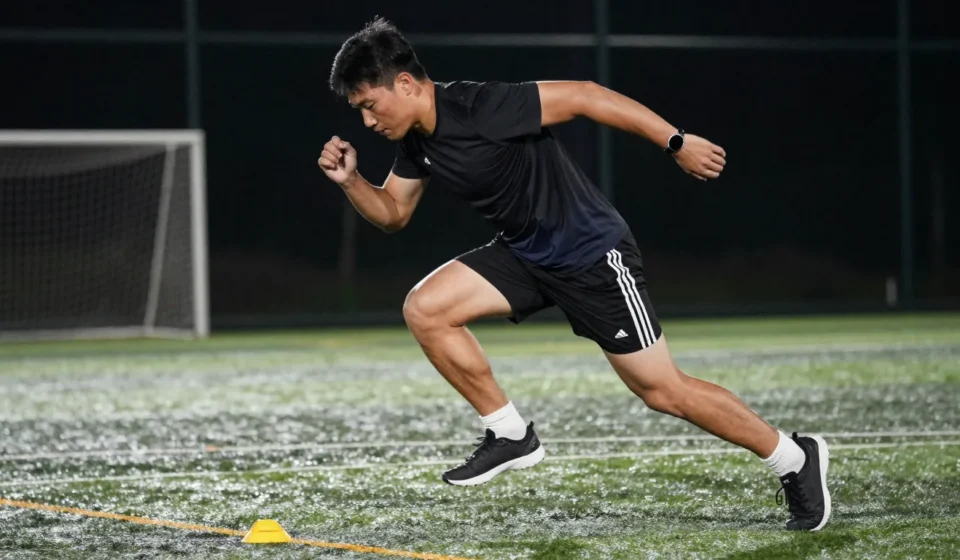
Sport-specific drills like cone drills and ladder work sharpen footwork and reaction time. They teach your body to decelerate and change direction rapidly, a demand generic cardio never replicates.
This translates to quicker cuts and faster acceleration on the court or field.
Incorporate at least two sport-specific sessions per week for noticeable improvements. You'll see better performance within weeks, with movement feeling more fluid and reactive.
These gains directly impact game situations where split-second decisions matter.
Practical Implementation of Athletic Drills
Start by analyzing your sport's movement demands. Identify the primary actions—sprinting, cutting, jumping, throwing—and design drills that replicate them.
For example, a soccer player should focus on agility ladders, cone drills, and change-of-direction sprints. Tailor the volume and intensity to your fitness level.
Progressive Overload for Athletic Adaptation
Apply progressive overload by increasing drill intensity, volume, or complexity over time. This ensures continuous adaptation without overtraining.
For instance, gradually reduce rest intervals, add resistance bands to sprints, or increase the height of obstacles for plyometric drills.
Sample Weekly Plan
Combine generic strength training with sport-specific sessions. Do two days of sport-specific drills (e.g., Monday and Thursday) and two days of full-body strength.
Include one day for active recovery like foam rolling or light stretching. This balance promotes athletic development while minimizing burnout.
For ideas on implementing these drills, visit STACK Media for athlete training resources. Also browse our Fitness & Sports category for more tips. Adopting this approach will elevate your game beyond what generic workouts can offer.