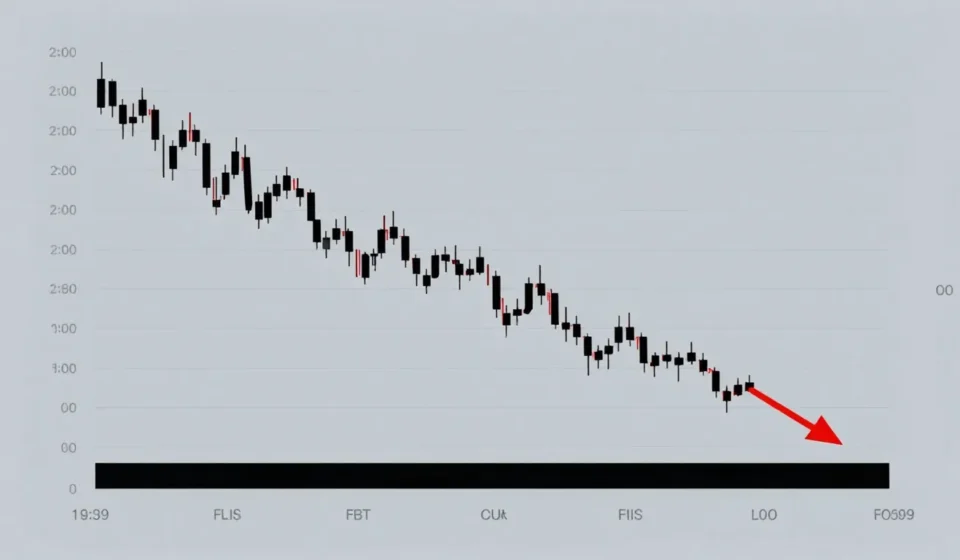

Understanding the Core of Regular Investing
Investing can feel intimidating, especially when markets swing wildly. One strategy that helps remove emotion from the equation is dollar-cost averaging.
This approach involves investing a fixed amount of money at regular intervals, regardless of market conditions.
The beauty of this method lies in its simplicity. Instead of trying to time the market, you buy more shares when prices are low and fewer when prices are high.
Over time, this can lower your average cost per share. As a result, dollar-cost averaging turns market downturns into opportunities rather than threats.
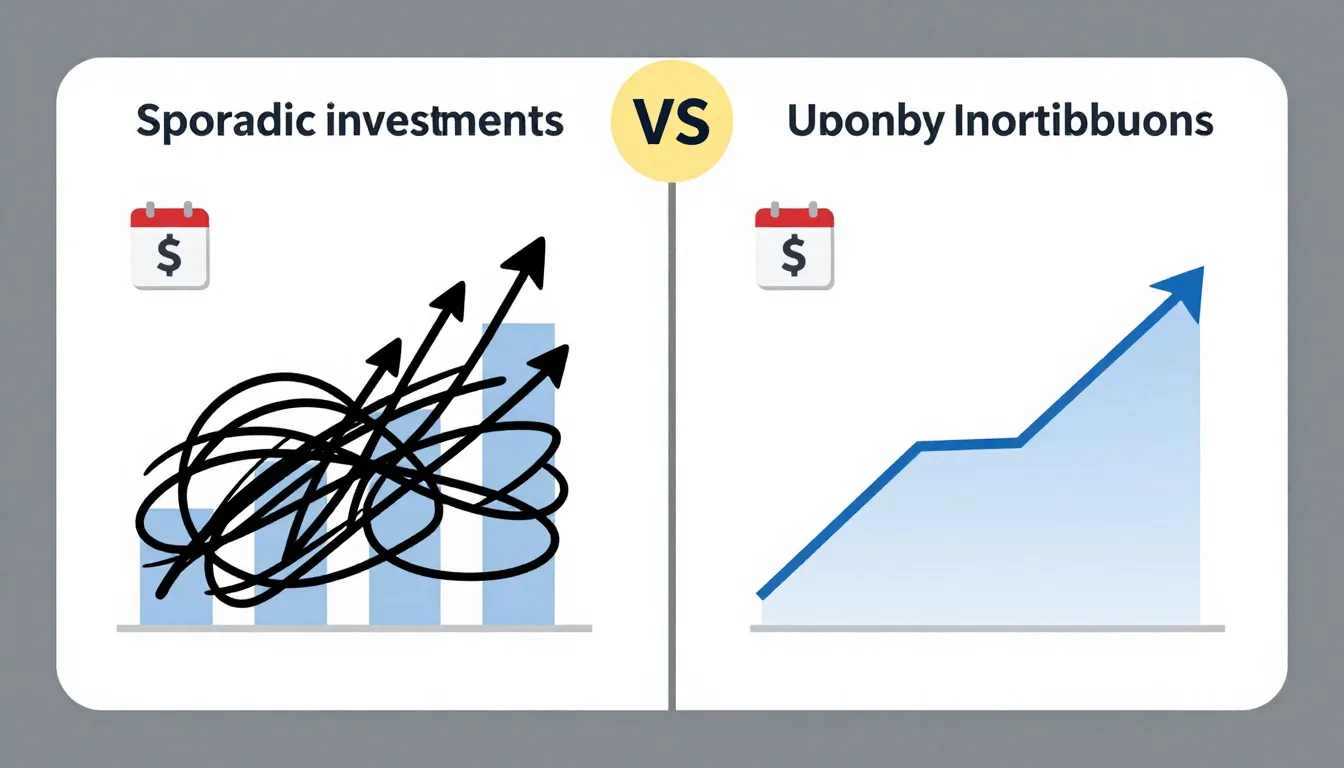
How Dollar-Cost Averaging Works in Practice
Imagine you invest $500 every month into an index fund. In January, the fund price is $50, so you buy 10 shares.
In February, the price drops to $25, and your $500 buys 20 shares. Over two months, you own 30 shares at an average cost of $33.33, even though the average price was $37.50.
This smoothing effect is a key advantage.
Historical data from the S&P 500 shows that regular investing over long periods outperforms lump-sum investing in volatile markets. A study by Vanguard found that DCA reduced the risk of poor timing, though lump sums often outperform in rising markets.
Yet for most people, the discipline of regular investing builds a habit that lasts.
Why Consistency Beats Timing
Many investors try to buy low and sell high, but this is notoriously difficult. Dollar-cost averaging removes the guesswork.
By investing consistently, you avoid the trap of panic selling during downturns or chasing performance during rallies.
For example, during the 2008 financial crisis, investors who continued their regular contributions saw their portfolios recover faster than those who stopped. The steady buying at lower prices provided a significant boost when markets rebounded.
Risk Management with Consistent Investing
One of the strongest arguments for this strategy is its ability to reduce emotional stress. When you know you're investing regularly, you don't feel the need to react to every headline.
This is especially valuable for beginners who might otherwise make impulsive decisions.
Additionally, DCA works well with employer-sponsored retirement plans like 401(k)s, where contributions are automatically deducted from your paycheck. It turns saving into a habit that requires no active management.
For a broader perspective on personal finance strategies, visit our Personal Finance category.
Historical Evidence Supporting DCA
Research from various financial institutions supports the effectiveness of dollar-cost averaging. A study by Morningstar found that in 60% of 10-year rolling periods, regular investing outperformed lump-sum investing when market volatility was high.
Consider the Japanese Nikkei 225: investors who started a DCA plan in 1990, at the peak of the bubble, still achieved positive returns over 30 years, despite the index being lower in 2020. This highlights the power of buying at lower prices over time.
Setting Up Your Own Regular Investment Plan
Setting up a DCA plan is straightforward. Choose an investment, such as a low-cost index fund or ETF, and decide on a fixed amount you can invest monthly or quarterly.
Automate the process through your brokerage to ensure consistency. The key is to choose a reliable brokerage and set up automatic transfers from your bank account.
Remember that this strategy works best over long horizons. For short-term goals, lump-sum investing may be more appropriate if you have the cash available. For more insights, check out resources like Investopedia’s guide or Motley Fool’s analysis.
Ultimately, the consistent approach of regular investing aligns with the principle of time in the market, not timing the market. Start small, stay disciplined, and let compounding work its magic over the years.
This method is particularly effective for building retirement savings or achieving long-term financial goals. Whether you're a seasoned investor or just starting, this strategy provides a solid foundation for building wealth.