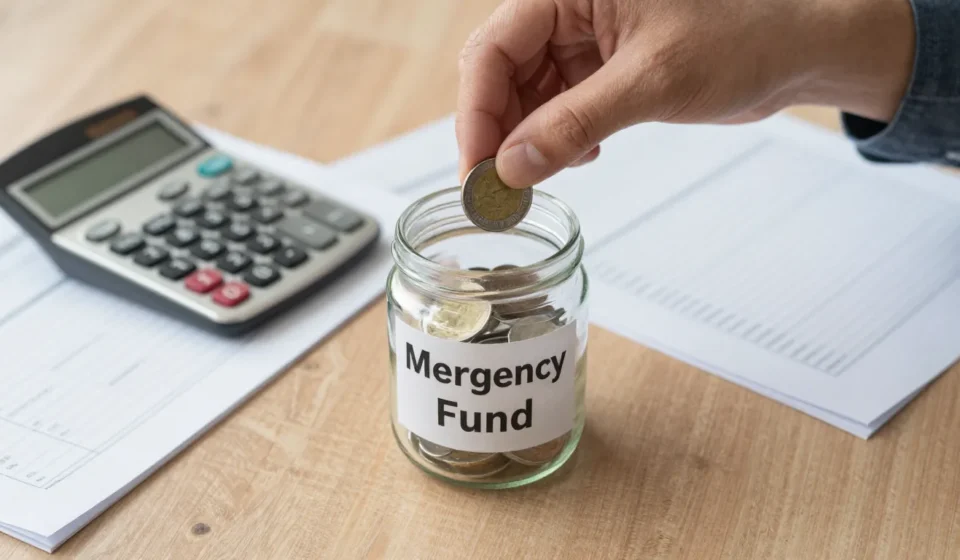

Building an emergency fund tight budget can feel like a paradox, but it’s not only possible—it’s essential. An emergency fund acts as your financial shock absorber, preventing small setbacks from derailing your progress. Even with limited income, you can accumulate three to six months of expenses by using smart, systematic strategies.
Start with Micro-Savings for Your Financial Safety Net
You don't need to save large sums overnight. Begin by saving whatever you can, even if it's $5 per week.
The key is consistency, not amount.
Automate a small transfer to a separate savings account on payday. Over time, these micro-contributions add up without hurting your daily cash flow.
Consider using spare‑change apps that round up purchases and deposit the difference. This passive method is ideal for anyone building an emergency fund because you never miss the money.
Research shows that people who automate savings save 30% more than those who don't.
Trim the Obvious Expenses First
List your monthly subscriptions and memberships. Cancel those you rarely use, like streaming services or gym memberships.
Even one $10 subscription saved per month adds $120 annually—exactly the kind of boost your emergency fund needs.
Negotiate with service providers for lower rates. A simple phone call can reduce your internet or insurance bill by 10–20%.
Redirect those savings directly to your fund. Every dollar saved brings you closer to your goal.

Use the 24‑Hour Rule for Non‑Essential Purchases
Impulse spending is a major obstacle. Implement the 24‑hour rule: before buying any non‑essential item, wait 24 hours.
This pause helps you separate wants from needs.
Often, the urge fades, and you save money automatically.
Track your spending for two weeks to identify leaks. You might be surprised how much goes to coffee, snacks, or convenience items.
Redirect even half of those costs to your emergency fund and watch it grow steadily.
Increase Income with Low‑Effort Side Hustles
Even a tight budget can stretch with a small income boost. Explore gigs like pet sitting, online surveys, or freelance writing.
Aim for just $50–100 extra per month.
That’s $600–1,200 per year—a significant contribution to your fund.
Sell unused items around your home. Old electronics, clothes, or furniture can generate quick cash.
Platforms like Facebook Marketplace or eBay make it easy.
Use 100% of the proceeds for your emergency savings. Extra income accelerates your emergency fund tight budget progress.
Set Up Separate Accounts for Clarity
Open a high‑yield savings account specifically for your emergency fund. Keeping it separate from your checking account reduces the temptation to spend.
Label it clearly, like “Emergency Fund,” to reinforce the purpose.
Automate a recurring transfer even if it’s tiny. For example, $10 every week becomes $520 per year.
Most banks allow free automatic transfers. Designated accounts are crucial for a successful emergency fund tight budget plan because they remove decision fatigue.
Celebrate Milestones on Your Emergency Fund Tight Budget Journey
Saving on a tight budget is hard work. Reward yourself when you hit milestones like $500 or $1,000.
The reward should be small and free, like a picnic in the park or a movie night at home.
This positive reinforcement builds momentum.
Remember, the goal is to build a buffer, not to become wealthy overnight. Financial security from your emergency fund gives you peace of mind and prevents debt accumulation.
For more detailed budgeting guidance, explore our Personal Finance resources. Stick with these strategies and you’ll master your emergency fund tight budget journey.
External Resources for Extra Help
For additional tips, read this NerdWallet guide on emergency funds and Investopedia’s emergency fund overview. These sources offer actionable advice for low‑income savers.