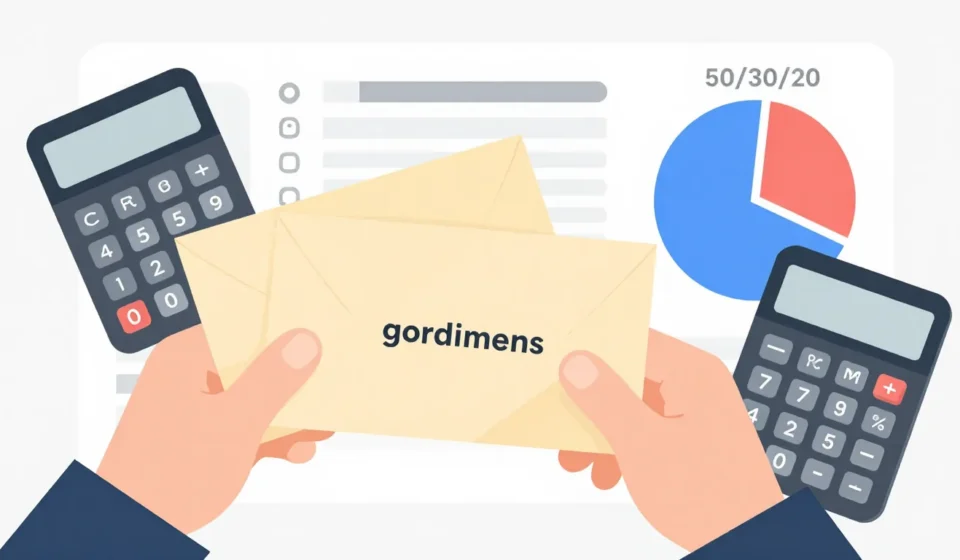

Understanding the Two Popular Budgeting Approaches
When it comes to managing your money, comparing different budgeting methods can help you choose the right fit. The 50/30/20 rule and the envelope system are two widely used frameworks, but they serve different personalities and financial situations.
Understanding these budgeting methods allows you to pick what aligns with your habits.
The 50/30/20 rule, popularized by Senator Elizabeth Warren, allocates 50% of after-tax income to needs, 30% to wants, and 20% to savings and debt repayment. It's a simple, percentage-based guideline that requires minimal tracking.
In contrast, the envelope system is a cash-based method where you label envelopes for spending categories and only use the cash inside—once it's gone, you stop spending.
How the 50/30/20 Rule Works in Practice
To use the 50/30/20 rule, you first calculate your monthly after-tax income. Then you split it into three buckets: necessities like rent and groceries, discretionary spending like dining out, and financial goals like retirement contributions.
This budgeting method is incredibly easy to set up and can be automated through bank transfers or apps.
One major advantage is its flexibility—you don’t need to track every penny. However, the downside is that it assumes a one-size-fits-all proportion.
For example, someone with high fixed costs may find 50% for needs insufficient, while high earners might overspend on wants. It also lacks the psychological friction of physically handing over cash.
How the Envelope System Works in Practice
The envelope system involves withdrawing cash at the start of each month and dividing it into envelopes for categories like groceries, entertainment, and transportation. You spend only what's in each envelope—when the cash is gone, you stop.
This method forces you to prioritize and feel the pain of spending.
Pros include strong spending discipline and a clear visual of remaining funds. But it’s inconvenient for online payments, and carrying cash carries risk.
It also doesn’t naturally encourage saving or debt repayment unless you create an envelope for those goals. Many modern apps simulate this system digitally.
Comparing Budgeting Methods: Key Differences
Now let's examine the core differences between these two budgeting methods. The 50/30/20 rule is a high-level framework that works best for people who prefer simplicity and automation.
The envelope system is a granular, hands-on method for those who need strict boundaries to curb overspending.
For instance, a freelancer with irregular income might struggle with the fixed percentages of the 50/30/20 rule but benefit from the envelope system’s cash limits. Conversely, a salaried employee with steady pay may find the envelope system tedious and prefer the automation of the percentage method.
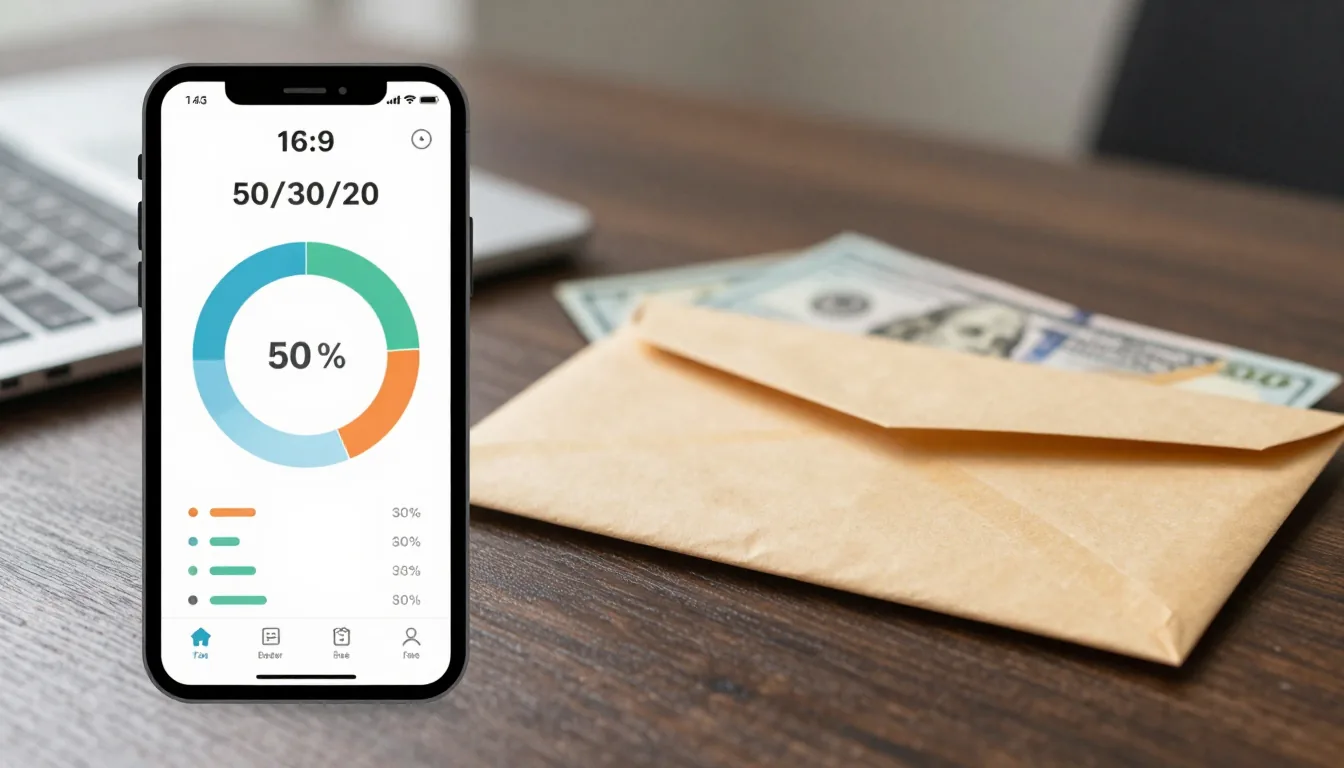
Which One Suits Your Spending Habits?
If you tend to overspend on variable categories like eating out or shopping, the envelope system can be a powerful deterrent. Seeing the cash dwindle makes you think twice before each purchase.
On the other hand, if you're already disciplined about spending but need to boost savings, the 50/30/20 rule provides a clear target without micromanagement.
When evaluating budgeting methods, consider your spending triggers and financial goals. For those with multiple financial goals, the envelope system can allocate specific amounts to each goal.
However, the 50/30/20 rule simplifies this into one 20% chunk, which might not provide enough direction for all objectives.
Pros and Cons at a Glance
- 50/30/20 Rule Pros: Easy to set up, works well for automated budgeting, forces savings without detailed tracking, adaptable to income changes.
- 50/30/20 Rule Cons: May not fit high-cost living areas, oversimplifies needs vs. wants, doesn’t curb overspending in specific categories.
- Envelope System Pros: Strong spending control, visible limits, effective for cash users and serial overspenders, builds financial awareness.
- Envelope System Cons: Inconvenient for online transactions, requires regular cash withdrawals, doesn’t inherently promote savings, risky if cash is lost.
Making Your Decision
Ultimately, the best approach often involves combining elements. You might use the envelope system for high-variable categories like dining and entertainment, while using the 50/30/20 rule for overall income allocation.
This hybrid can give you both structure and flexibility.
Remember, consistency matters more than perfection. The best budgeting methods are those you can stick with.
Whichever method you choose, stick with it for at least three months to see if it aligns with your habits.
For more insights, explore our Personal Finance section. You can also read detailed guides on NerdWallet or Investopedia for deeper dives.
No single method works for everyone. Your income, lifestyle, and financial goals should guide your choice.
Test both budgeting methods on a small scale—maybe a month each—and see which one helps you sleep better at night.