
What Is Light Pollution and Why Should Stargazers Care?
Every year, the night sky grows brighter—not from stars, but from the glow of billions of artificial lights. For astronomers and dreamers alike, light pollution stargazing has become an increasingly frustrating experience. Instead of a canopy of diamonds, many urban dwellers see only a handful of the brightest stars.
The culprit is wasted light that scatters in the atmosphere, creating a dome of artificial twilight. This phenomenon, called skyglow, washes out faint celestial objects like nebulae, galaxies, and meteor showers.
For those passionate about light pollution stargazing, the loss of raw darkness is a profound cultural and scientific tragedy.
In fact, over 80% of the world’s population now lives under light-polluted skies, according to a landmark study. The impact on stargazing is profound: the number of visible stars plummets.
The Many Faces of Artificial Glow
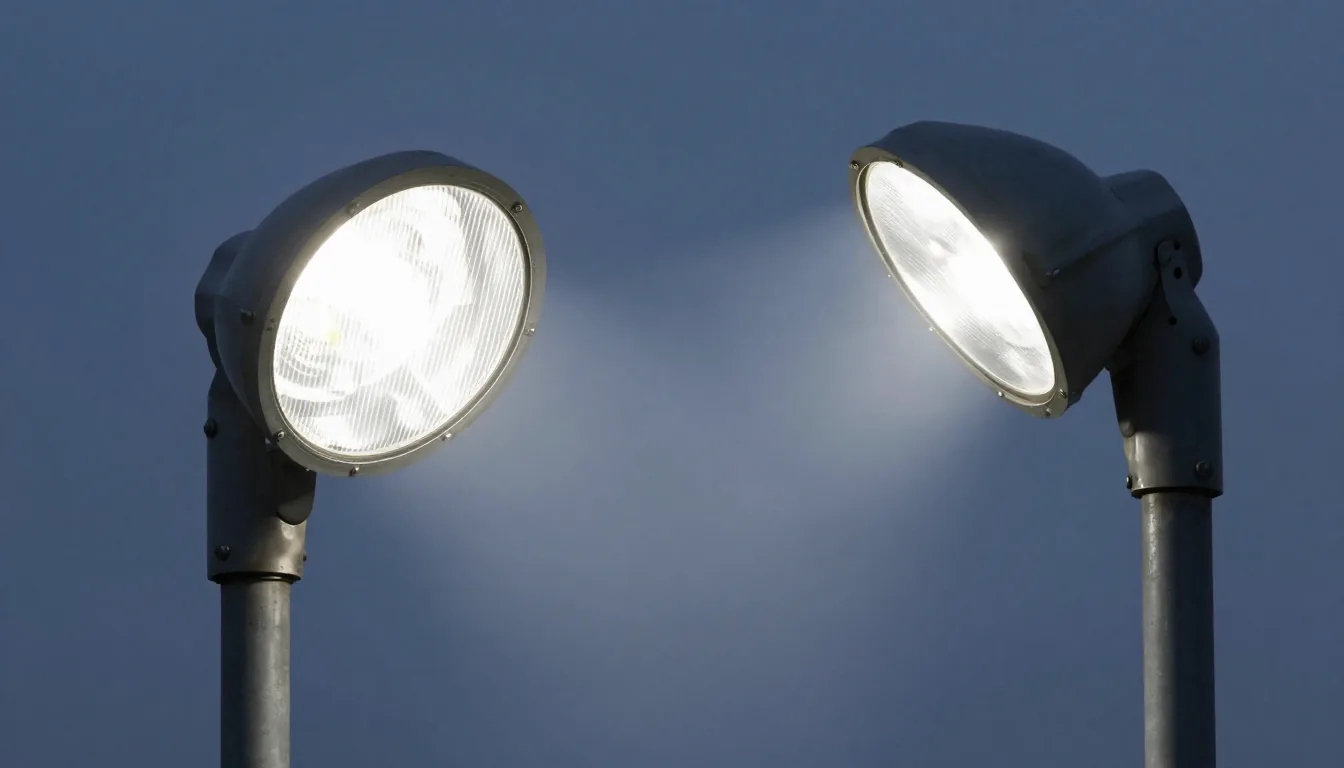
Light pollution isn't just one problem—it's a combination of four main types, each affecting stargazing differently. Skyglow is the diffuse brightness you see over cities, while glare comes from overly bright fixtures that hurt your eyes.
Light trespass occurs when streetlights spill into your backyard, and clutter refers to excessive groupings of lights.
Together, they create a nightscape that blinds our view of the cosmos. Even a modest amount of stray light can reduce the number of visible stars from thousands to a few dozen.
That's why finding truly dark skies is a pilgrimage for modern stargazers.
Combatting this skyglow requires understanding these sources.
How Light Pollution Stargazing Is Sabotaged by Artificial Glow
Lost Stars and Faint Fuzzies
The most direct effect is the loss of faint stars. In a dark sky, the unaided eye can see up to 3,000 stars—but under heavy light pollution, that number plummets below 100.
Deep-sky objects like the Andromeda Galaxy or the Orion Nebula become invisible without a telescope. This is the reality of modern light pollution stargazing.
Even with a telescope, skyglow reduces contrast, making it harder to spot fine details. Astrophotographers struggle with washed-out images that require heavy processing to salvage.
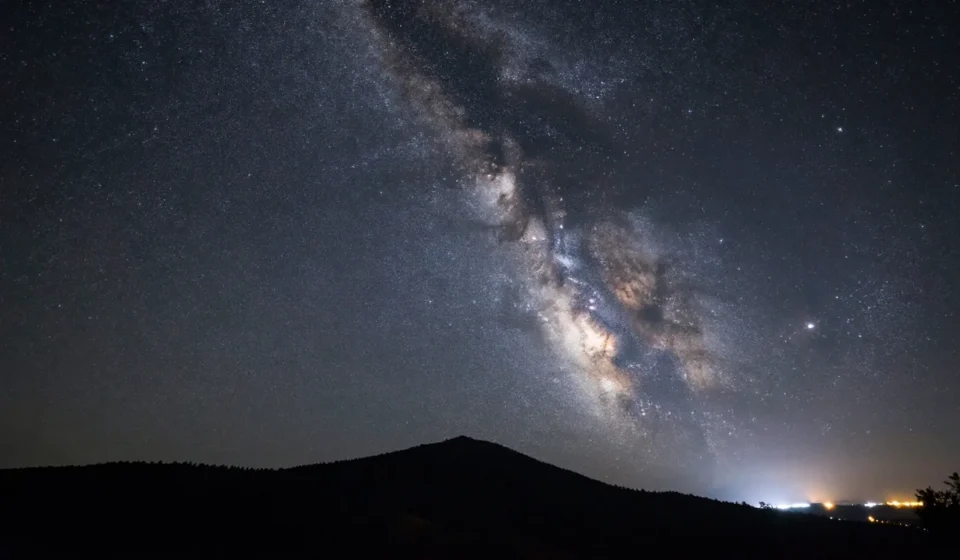
The Milky Way, once a river of light across the sky, is now invisible to one-third of humanity.
This is the harsh reality for urban stargazers.
Disrupted Night Vision
Human eyes take about 30 minutes to fully adapt to darkness. Any exposure to bright, white light—even a quick glance at your phone—resets that process.
In light-polluted areas, constant glare keeps your pupils constricted, robbing you of the ability to see faint stars. Overcoming such challenges is essential for serious light pollution stargazing.
Using red-light flashlights helps, but the ambient glow from nearby streetlights still hinders adaptation. That's why serious observers travel miles into the wilderness for pristine conditions.
Overcoming such challenges often requires drastic measures.
Beyond Astronomy: Ecological and Health Costs
Wildlife Under Siege
Light pollution doesn't just affect humans. Migrating birds become disoriented by city lights, crashing into buildings.
Sea turtle hatchlings, which rely on moonlight to find the ocean, are lured inland by coastal lighting. But the impact of light pollution stargazing extends beyond astronomy—it disrupts entire ecosystems.
Nocturnal animals lose their cover, disrupting entire ecosystems.
Plants also suffer—artificial light can alter flowering cycles and confuse pollinators. The natural rhythm of day and night is a fundamental anchor for life on Earth, and we're flicking the switch on it.
Reducing artificial light at night also benefits biodiversity.
Human Health Impacts
Our bodies are tuned to the sun's cycle. Exposure to blue-rich light at night suppresses melatonin production, disrupting sleep and increasing risks of obesity, depression, and even cancer.
The World Health Organization has called night shift work a probable carcinogen—but for most of us, the glow outside our windows is enough to interfere.
Stargazing itself is a calming activity that fosters wonder and connection. By dimming the lights, we might also be dimming our own well-being.
Improving night sky conditions can enhance public health.
How to Fight Back and Protect the Night
You don't have to move to a desert to enjoy the stars. Start by making your own home a dark-sky sanctuary.
Whether you're a casual observer or dedicated to light pollution stargazing, every shielded bulb helps.
Replace outdoor fixtures with fully shielded lights that point downward, not sideways or up. Use warm-color bulbs (2700K or lower) that emit less blue light, and install motion sensors so lights are on only when needed.
On a community level, advocate for responsible municipal lighting: dimmers, timers, and cut-off fixtures. Join organizations like the International Dark-Sky Association (darksky.org) which provides resources and certification for dark-sky places. You can also participate in citizen science—the Globe at Night project asks volunteers to measure night sky brightness and submit data to help scientists map light pollution trends.
Finally, find a nearby dark-sky site using tools like the Light Pollution Map or apps that show how far you need to travel. Even a short drive to a rural area can transform your view.
Remember, the stars belong to everyone—and with small actions, we can reclaim them. For more inspirations on exploring the cosmos, visit our Popular Science & Space archive.