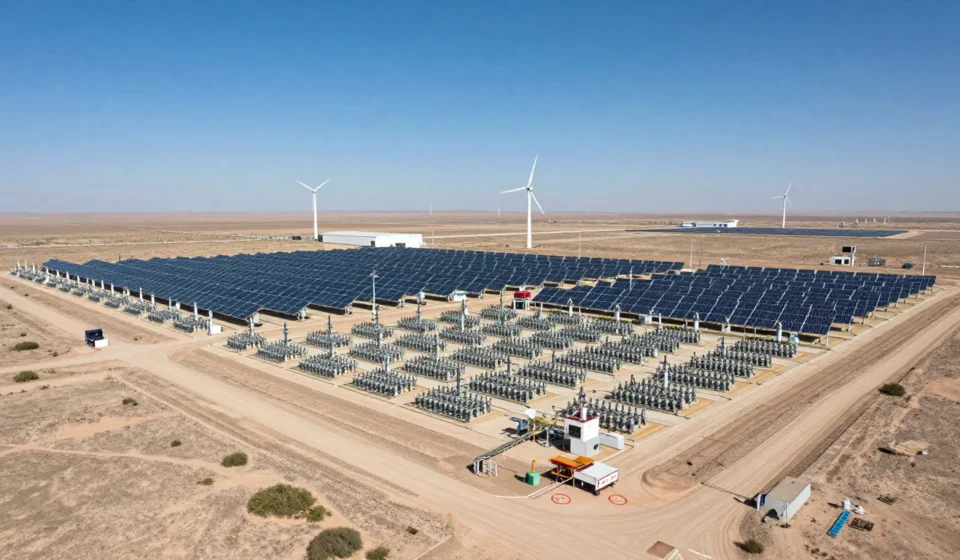

The Promise of a Green Hydrogen Future
The green hydrogen future represents a pivotal piece in the decarbonization puzzle. Unlike gray hydrogen from natural gas, this clean fuel emits no CO₂ during production.
Its potential to decarbonize heavy industry, shipping, and aviation is driving billions in global investment.
By 2030, global green hydrogen capacity could reach 140 GW, according to BloombergNEF. But scaling up requires massive renewable energy deployment and cost reductions in electrolyzers.
This future hinges on technological learning and policy support to compete with fossil fuels.
Current Costs and Competitiveness
Today, green hydrogen costs $4–$6 per kg, roughly double that of gray hydrogen. Analysts predict parity by 2030 as electrolyzer costs fall and carbon pricing rises.
Countries like Germany and Japan are betting on imports from sunny, windy regions.
However, production costs vary widely. Subsidies from the US Inflation Reduction Act could bring costs to $1/kg by 2026, making it competitive with fossil fuels.
This price trajectory is critical for realizing a sustainable hydrogen economy at scale, though infrastructure investments remain substantial.
Storage and Transport Challenges
Hydrogen has low volumetric energy density, requiring compression or liquefaction at great energy cost. Repurposing natural gas pipelines is possible but costly, and new infrastructure may be needed.
Ammonia and methanol are being explored as hydrogen carriers for long-distance transport. These molecules can store hydrogen more densely and use existing fuel supply chains.
Storage in salt caverns or depleted gas fields offers seasonal buffering, but infrastructure remains nascent. Efficient solutions are a prerequisite for a viable hydrogen economy, enabling year-round supply to industrial hubs.
You might wonder about the energy penalty: liquefying hydrogen consumes about 30% of its energy content. That’s a significant loss but acceptable for long-haul shipping.
Industrial Applications and Pilot Projects
Heavy industries like steel and cement are testing hydrogen to replace coke or natural gas. For instance, Sweden’s HYBRIT project aims for fossil-free steel by 2026.
Shipping giant Maersk has ordered methanol-fueled vessels, which can use green hydrogen-derived fuel.
Pilot projects also target ammonia production for fertilizers, a major CO₂ source. Success in these sectors would demonstrate hydrogen’s role as a climate solution and bolster confidence in its adoption.
Additional projects in Germany and Australia are exploring large-scale electrolysis powered by offshore wind and solar.
Scaling Up Electrolyzer Production
Electrolyzer manufacturing needs to ramp up dramatically. Currently, global capacity is around 1 GW per year, but meeting 2030 targets requires 100-fold growth.
Companies like Nel Hydrogen and ITM Power are building gigafactories to drive down costs. Learning curves similar to solar panels could slash prices by 60–80% this decade.
But supply chain bottlenecks for iridium and other materials pose risks. Research into alternative catalysts is accelerating to avoid resource constraints.
Competing with Direct Electrification
For many uses, direct electrification (e.g., battery EVs, heat pumps) is more efficient than converting electricity to hydrogen and back. Hydrogen’s round-trip efficiency is 30–40%, versus 80% for batteries.
Therefore, experts recommend prioritizing hydrogen for hard-to-abate sectors.
Policy frameworks should direct hydrogen where it adds most value: industrial heat, long-haul transport, and seasonal storage. This targeted approach ensures that hydrogen finds its niche and avoids wasteful subsidies.
Environmental and Resource Considerations
Large-scale electrolysis requires vast amounts of fresh water, which could stress regions with water scarcity. Desalination or alternative electrolysis methods may mitigate this.
Additionally, land use for renewable energy parks dedicated to hydrogen production must be carefully planned to avoid ecosystem disruption.
Lifecycle assessments show that green hydrogen reduces emissions by 80–95% compared to gray hydrogen. However, if produced using grid electricity with high carbon intensity, the benefits diminish.
Ensuring additionality of renewable energy is key to a truly sustainable hydrogen future.
The Verdict: Realistic Solution or Hype?
Green hydrogen is not a silver bullet but an essential tool for a net-zero world. With aggressive policy support and technological learning, it could satisfy 10–15% of global energy demand by 2050, per the IEA.
That would require unprecedented scaling, but the benefits are immense.
Skeptics warn of greenwashing and resource strain, as large-scale electrolysis demands vast water and land. Responsible development must consider local impacts and avoid prolonging fossil fuel dependence.
Ultimately, the hydrogen future depends on balancing ambition with sustainability and ensuring equitable access.
For a deeper dive into clean energy transitions, explore our Sustainability & Ecology archive. Learn more about green hydrogen projects at the IEA Global Hydrogen Review and the Hydrogen Council’s roadmap.