
Why Low-Waste Meal Prep Matters
Meal prepping is a lifesaver for busy weekdays, but traditional methods often rely on plastic bags, single-use containers, and excessive packaging. By shifting to a low-waste meal prep approach, you can slash your kitchen trash while saving time. This routine combines zero-waste principles with efficient planning, making it easier to eat well without the guilt of extra landfill contributions.
The average American throws away nearly 300 pounds of food waste annually, much of it from prepared meals that go uneaten. According to the EPA, reducing food waste is a top priority.
With a few smart swaps, you can cut that number dramatically. Plus, reducing waste often means buying less and spending less—a win for your wallet and the planet.
Plan Your Menu with Leftovers in Mind
Start by designing meals that share ingredients. For example, roast a large batch of vegetables and use them in salads, grain bowls, and wraps throughout the week.
This minimizes leftover odds and ends that tend to get tossed.
When planning, consider whole foods like beans, lentils, and seasonal produce that come with little to no packaging. Buy these in bulk using reusable cloth bags or glass jars.
This simple step is a cornerstone of sustainable meal prep.
Invest in Reusable Storage Solutions
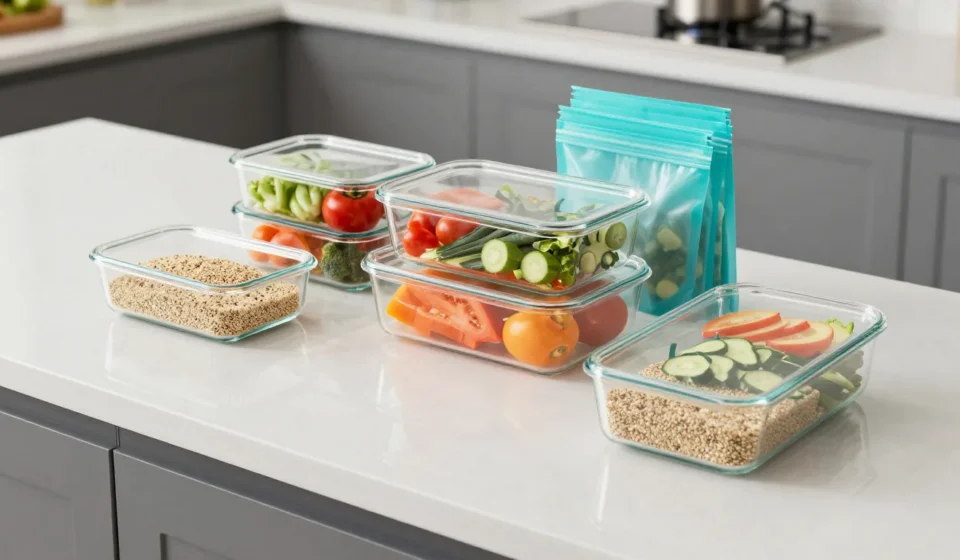
Swap disposable plastic bags for silicone pouches, glass containers, and beeswax wraps. These items last for years and keep food fresh without waste.
Mason jars are perfect for storing salads, soups, or overnight oats.
Label containers with a dry-erase marker to avoid confusion. This small step prevents forgotten meals from spoiling in the back of the fridge.
Consistent labeling helps maintain your zero-waste meal prep system.
Batch Cook Smartly
Cooking in bulk is key to efficiency. Choose one day—say Sunday—to prepare staples like grains, proteins, and sauces.
Store them in separate containers so you can mix and match throughout the week.
For example, cook a big pot of quinoa, a tray of roasted chickpeas, and a batch of tahini dressing. Then assemble meals in minutes without creating waste from takeout containers or fast-food wrappers.
Batch cooking is a time-saving strategy that aligns with eco-friendly meal prep.
Use Every Part of Your Ingredients
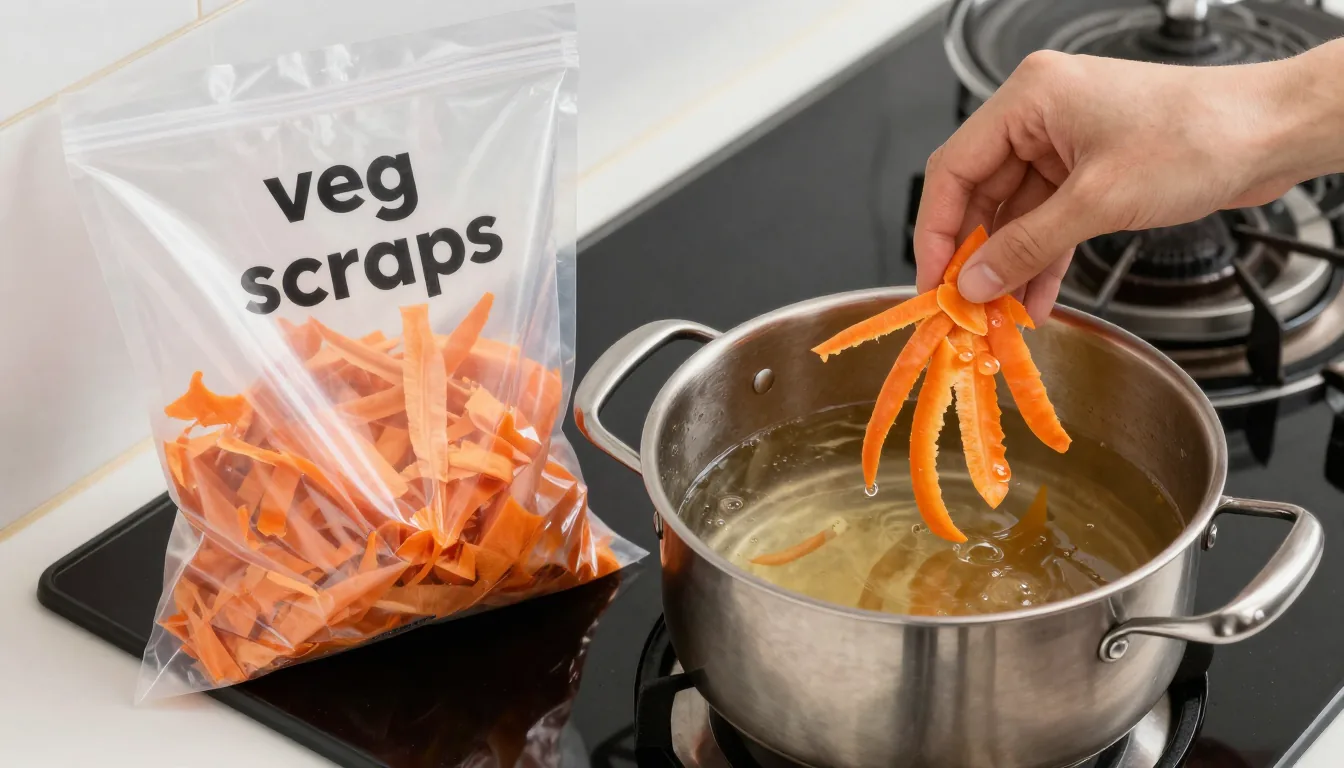
Adopt a "roots-to-stems" mentality. Carrot tops can become pesto, broccoli stems can be shredded into slaw, and vegetable peels can be saved for broth.
Keep a freezer bag for scraps; when it's full, simmer them into stock.
This practice reduces food waste and adds flavor to your meals without extra cost. It also aligns perfectly with a sustainable kitchen routine. For more ideas, check out Earth911’s zero-waste kitchen guide.
Store Food Properly to Extend Freshness
Proper storage prevents spoilage. Keep greens crisp by wrapping them in a damp cloth and storing in a glass container.
Herbs can stand upright in a jar with water, like a bouquet.
Use airtight containers for leftovers and keep your fridge organized so you can see what you have. This reduces forgotten items that go bad.
Smart storage is essential for effective waste-reducing meal prep.
Shop Package-Free Where Possible
Visit farmers markets or bulk bins with your own bags and jars. Many stores allow you to tare containers, so you pay only for the food.
This eliminates plastic packaging from your grocery haul.
If you buy packaged goods, choose glass, metal, or cardboard over plastic. These materials are more easily recycled or reused.
Shopping package-free is a key component of a low-waste lifestyle.
Simplify Your Recipes
Stick to meals that use 5–10 ingredients. Complex recipes often require specialty items in single-use packaging.
Simple dishes like stir-fries, soups, and grain bowls are easy to scale and waste-free.
For more tips on Sustainability & Ecology, explore our other guides on reducing your environmental impact. Remember, every small change adds up.
By adopting a low-waste meal prep routine, you’re not just saving time—you’re contributing to a healthier planet. Start with one technique this week and build from there.