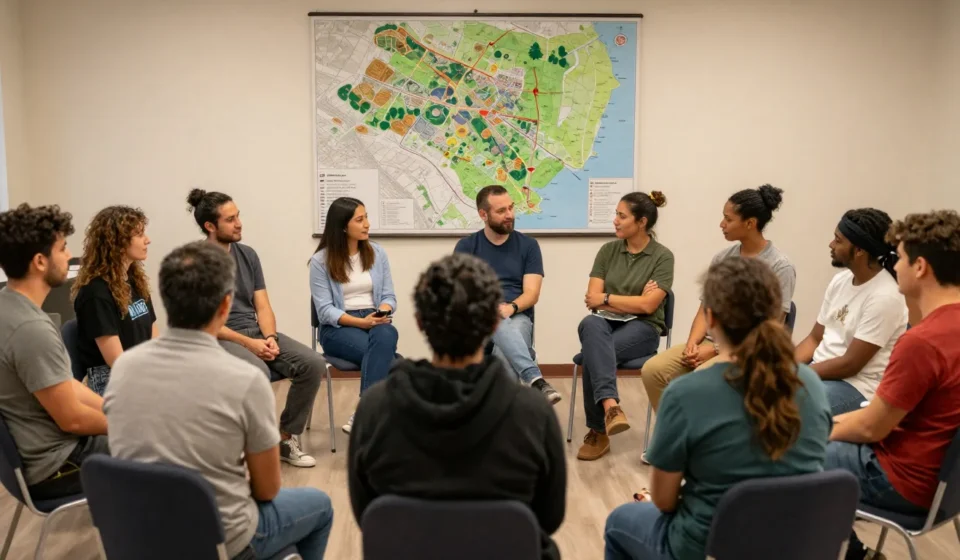
How to Talk to Climate Change Skeptics Constructively: 5 Strategies That Work

Why Dialogue Matters More Than Debate
Engaging with climate change skeptics can feel frustrating, but dismissive arguments rarely change minds. The key is shifting from confrontation to connection. When we lead with empathy and focus on shared values, we open the door to genuine understanding.
Research shows that people reject climate action not because they lack data, but because they feel threatened by proposed solutions. By acknowledging these concerns, we can build trust and find common ground.
5 Strategies for Engaging Climate Change Skeptics
1. Start with Shared Values
Instead of leading with carbon facts, ask what they care about. Most people value economic stability, health, and family well-being.
Connect climate solutions to these priorities.
For example, talk about how solar panels lower electricity bills or how clean air benefits children. When you frame climate action as a way to protect what we already love, skeptics are more likely to listen.
Avoid jargon and focus on tangible outcomes that resonate locally.
2. Emphasize Local Consequences
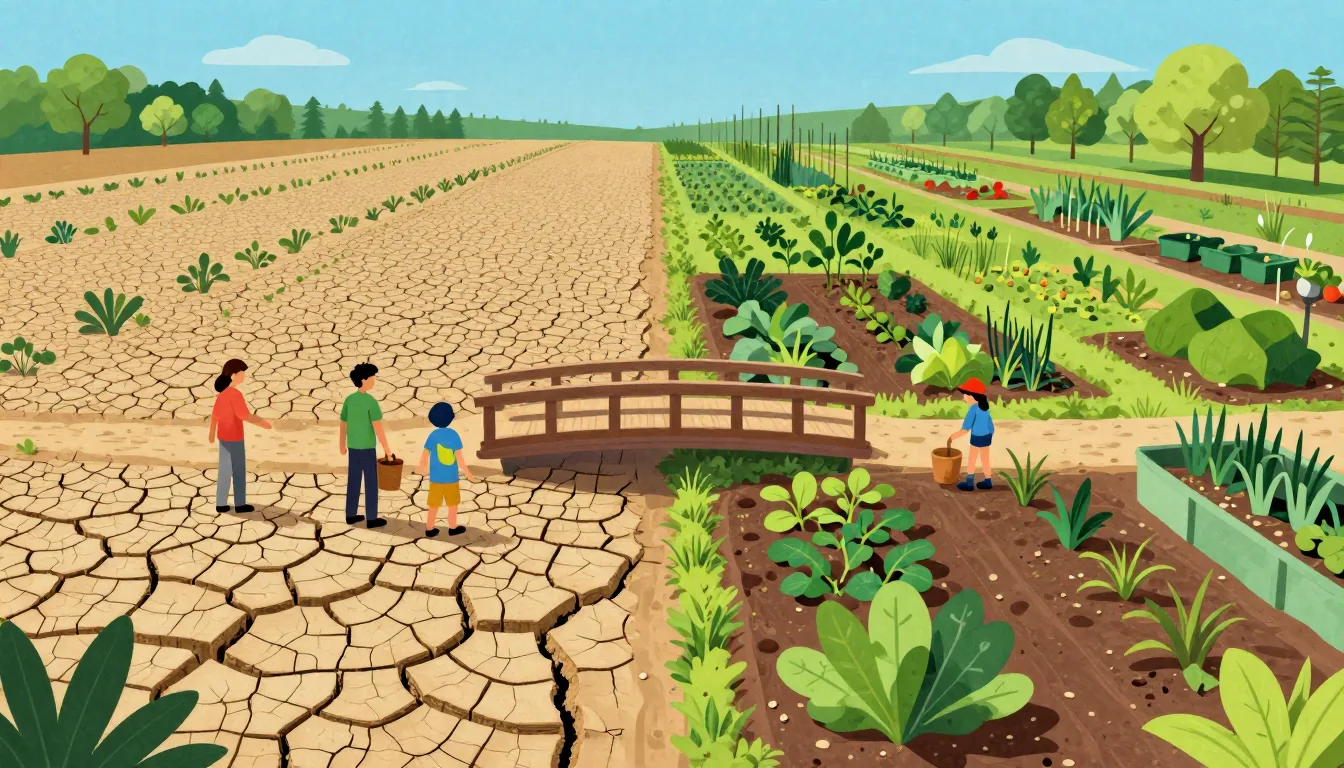
When talking to climate change skeptics, local examples are powerful. Global temperature averages feel abstract, but a flooded Main Street or a drought-stricken farm does not. Share examples of how Sustainability & Ecology issues affect your region.
If your area faces more wildfires, discuss fire‑resistant landscaping. If coastal erosion is a problem, talk about mangrove restoration.
Localizing the conversation makes climate change personal and immediate.
It shifts the focus from polarizing politics to shared community challenges.
3. Listen More Than You Talk
Many climate change skeptics feel their voices are ignored. Ask open‑ended questions like, “What concerns do you have about renewable energy?” Then listen without interrupting.
Validating their perspective doesn’t mean agreeing, but it allows dialogue to continue.
Repeat back what you hear: “It sounds like you’re worried about job losses. That’s a real concern.” Then offer examples of how clean energy creates new jobs, referencing credible sources like the International Renewable Energy Agency.
4. Avoid Jargon and Blame
When you speak with climate change skeptics, avoid jargon. Words like “anthropogenic” or “tipping point” can alienate.
Speak plainly.
Instead of saying “climate mitigation,” say “preventing extreme weather.” Avoid phrases like “everyone must” or “you should,” which sound judgmental.
Blame is counterproductive. Even if a skeptic drives a gas‑guzzler, attacking their lifestyle shuts down conversation.
Instead, highlight easy switches that save money, such as energy‑efficient appliances or car‑pooling.
5. Find Small Agreements
With climate change skeptics, start with small wins. You don’t need full agreement on climate science.
Find one thing you both support: reducing plastic waste, planting trees, or saving money on energy.
Start there and build trust. For instance, many skeptics dislike litter.
Agree on that and discuss how reusable bags reduce waste. Small wins pave the way for bigger steps over time.
Addressing Common Objections
“Climate has always changed”
Climate change skeptics often say “Climate has always changed.” Acknowledge that climate variation is natural. Then note that current warming is faster than past changes, and human activity is the main driver since the Industrial Revolution.
You can compare it to a fever: a slight temperature increase is normal, but a spike signals a problem.
“Scientists are divided”
Climate change skeptics may claim scientists are divided. Explain that 97% of climate scientists agree on human‑caused warming. Point to consensus statements from organizations like the IPCC.
If they distrust institutions, share local expert opinions from universities or weather stations.
Keeping the Conversation Positive
Focus on solutions that benefit everyone. For example, weather‑proofing homes reduces bills and helps during heatwaves.
Community solar projects lower costs and build resilience.
Emphasize that these actions are about opportunity, not sacrifice. End conversations by thanking them for talking.
Leave the door open for future discussions.
Changing minds takes time, but every constructive dialogue plants a seed. Engaging climate change skeptics constructively is a marathon, not a sprint.