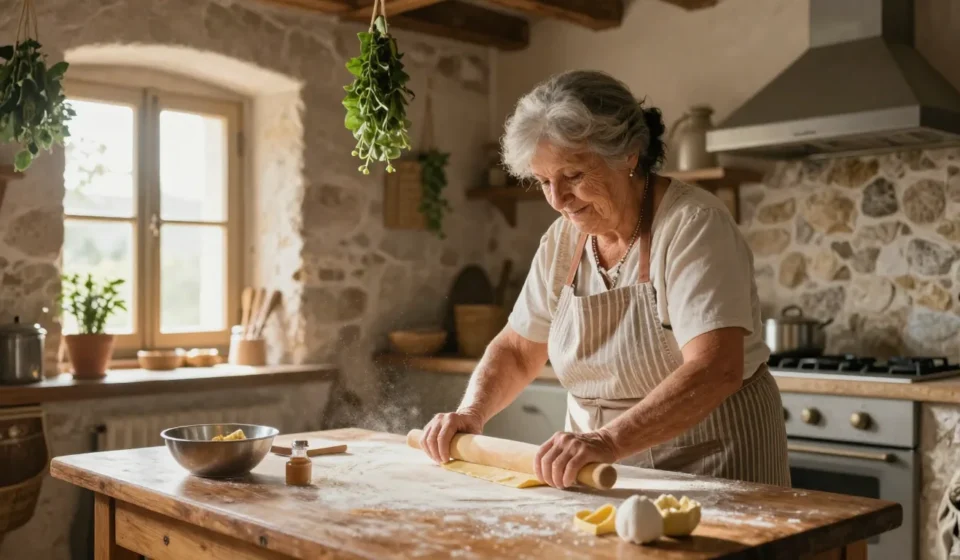

Finding Your Culinary Host Family
The island of Sicily is a patchwork of sun-bleached villages, and it's here that the most authentic cooking experiences hide. A Sicilian nonna homestay isn't something you book on a major platform; it requires a bit of detective work.
Start by browsing local agriturismo websites that highlight family-run stays. Many offer cooking classes with the matriarch herself.
Alternatively, ask around in small-town bakeries or markets—someone always knows a cousin who hosts travelers.
Reach out via email or phone (a local SIM helps). Look for hosts who invite you into their home kitchen, not a separate tourist facility.
When they mention piazza gatherings or Sunday lunches, you've found the real deal.
What to Expect: A Day in the Kitchen
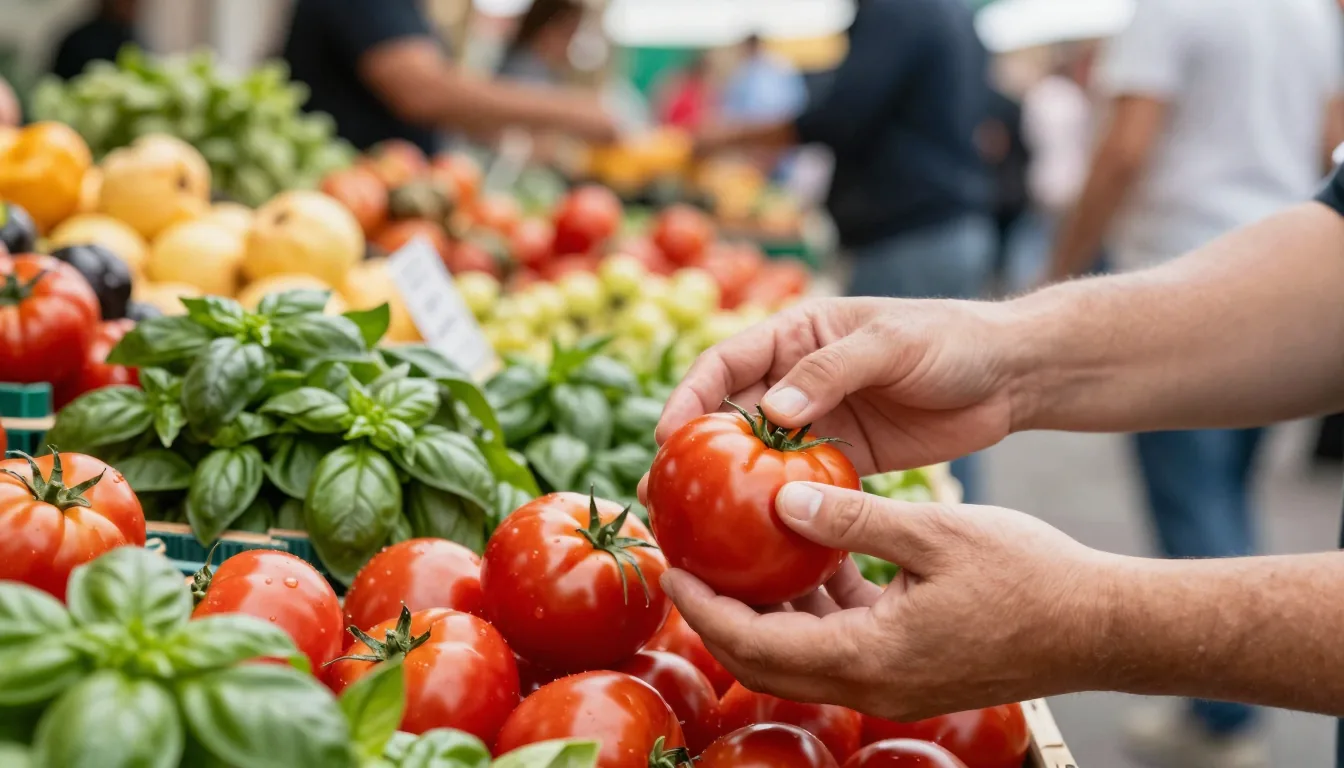
Expect to start early. Your host will take you to the morning market in a salt-rusted car.
You'll learn to choose glossy eggplants, ripe tomatoes, and wild oregano that scents the air. Back at the farmhouse, the kitchen becomes a theater of sensory immersion—the crackle of frying oil, the smell of basil crushed between fingers, the weight of a wooden spoon passed down generations.
You won't just watch; you'll knead dough for cavatelli, stuff arancini, and roll caponata. Nonna will correct your pinch of salt with a smile.
There are no written recipes, only handed-down gestures. This is the heart of the experience: learning through touch and taste.
During a Sicilian nonna homestay, you'll discover how each dish carries a story of family and land.
Essential Heirloom Dishes You’ll Master
- Pasta alla Norma—with homegrown eggplant and ricotta salata.
- Sfincione—the fluffy Palermo-style focaccia topped with anchovies and caciocavallo.
- Cannoli—filling crisp shells with fresh ricotta and pistachios from Mount Etna.
These dishes are not just food; they're stories of Sicily's Arab-Norman legacy, told through saffron, pine nuts, and raisins. A genuine Sicilian nonna homestay reveals the cultural layers behind every ingredient.
Many travelers find that once they taste these dishes prepared by the hands of a nonna, they never look at Italian cuisine the same way again.
Building Connections Beyond the Stove
The beauty of a Sicilian nonna homestay lies in the moments between recipes. After lunch, you might be led to a shady courtyard where a neighbor plays guitar.
Children run through lemon groves. The afternoon sun paints the whitewashed walls gold.
This isn't staged—it's life.
Many travelers find that sharing a meal with the family leads to invitations to local festivals or a cousin's bakery. Be open.
Learn a few Italian phrases like 'delizioso' or 'posso aiutare?' (can I help?). These gestures build trust and turn a cooking class into a lasting connection.
The best part of any Sicilian nonna homestay is the feeling of becoming part of the family, even for a few days.
Planning Your Sicilian Nonna Homestay: Practical Tips
Book well in advance, especially during spring and fall harvest seasons. Budget for at least three nights to truly immerse.
Bring comfortable shoes for market walks and a notebook to jot down recipes by heart. Most hosts speak limited English; a translation app helps, but a smile works wonders.
Consider combining your homestay with a visit to Travel & Exploration for more offbeat Sicilian adventures. For extra inspiration, read about authentic Sicily homestays or check Lonely Planet’s Sicily cooking classes.
What to Pack for the Kitchen
- A light apron (a nice gift for your host).
- Phone or camera for step-by-step photos.
- Small jars to bring home local olive oil or capers.
Resist the urge to check your phone during meals. These moments of shared silence and laughter are the true heirloom you're taking home.
A Sicilian nonna homestay offers a rare glimpse into a fading world—one where time slows down and every meal is a celebration.