The Lost Craft of Indigo Dyeing in Rural Japan: How to Visit Artisan Workshops and Participate Respectfully

Finding the Blue Heart of Japan
The first time I saw a bolt of aizome—Japanese indigo-dyed cloth—unfurled in the soft light of a Tokushima farmhouse, I understood why this blue has captivated artisans for centuries. Indigo dyeing Japan is a living tradition that goes beyond mere technique; it is a dialogue with nature, patience, and the passage of seasons.
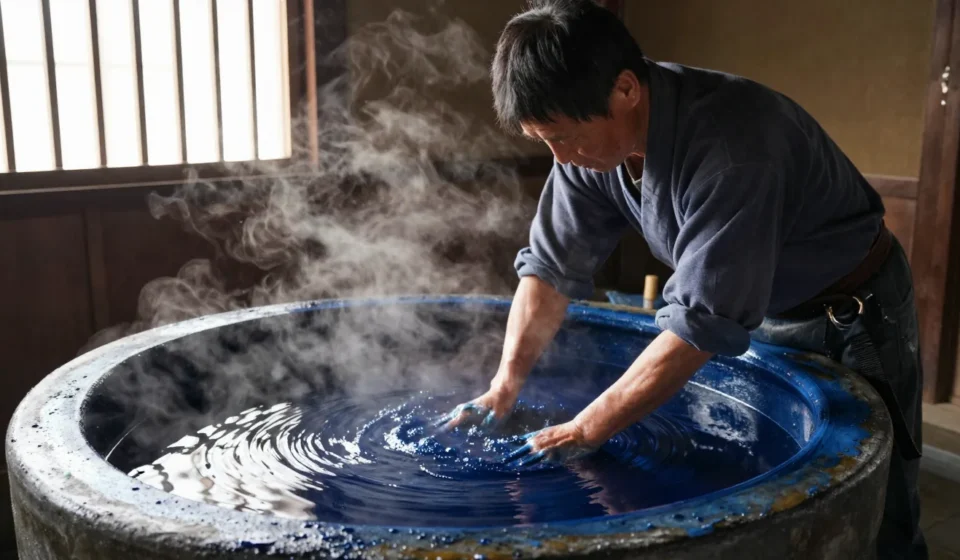
Rural workshops, tucked into valleys of Shikoku and Kyushu, still practice the ancient craft using fermented indigo leaves. Unlike synthetic dyes, the living vat—called sukumo—requires daily feeding and careful observation. To step into these spaces is to enter a sanctuary of slowness.
Indigo Dyeing Japan: A Living Tradition
When you engage with indigo dyeing Japan, you enter a world where time slows. The deep blue that emerges from the vat is not just a color—it’s the result of months of composting indigo leaves into pigment, a process called sukumo. This fermentation requires daily care and attention, much like tending a garden.
Visiting these workshops offers a rare chance to connect with a craft that has been passed down through generations. The dyers are often quiet, letting their hands speak.
To participate is to learn patience and respect for natural rhythms.
Choosing the Right Workshop for Your Visit
Not all indigo experiences are created equal. Seek out family-run studios in remote areas like Kamiita-cho in Tokushima or the mountainous villages of Okinawa.
Look for workshops that emphasize natural fermentation rather than chemical shortcuts.
The Hallmarks of an Authentic Atelier
- Generational knowledge: Master dyers who learned from parents or grandparents.
- On-site dye vats: Active sukumo vats with a distinct, earthy scent.
- Hands-on participation: You dip your own fabric, not just watch.
- Local materials: Cotton or silk sourced from nearby weavers.
I recommend contacting workshops via their official websites—many welcome small groups but require reservations months in advance. For a curated list, I trust Matcha Japan’s indigo guide.
Planning your visit requires flexibility. Many rural workshops have limited hours and may close during harvest seasons.
Always confirm your reservation a week before.
Respecting the Craft and the Craftspeople
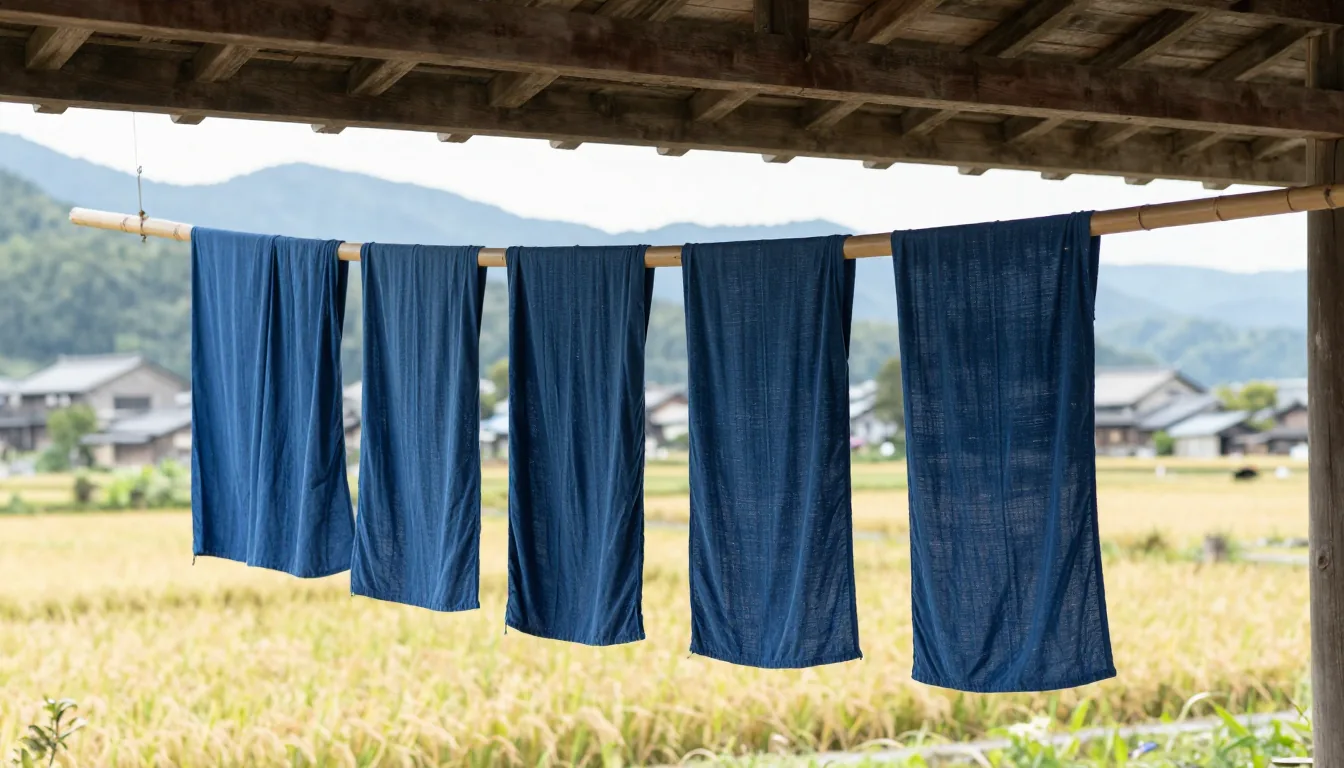
Indigo dyeing Japan is a sacred rhythm, not a tourist spectacle. Before you arrive, learn a few Japanese phrases: “Konnichiwa” and “Arigatou gozaimasu” open doors. Never touch dyed fabric hanging to dry without asking—it is still curing.
Dress modestly in clothes you don’t mind staining (indigo rubs off!). Bring small gifts like local sweets from your home country.
Above all, listen more than you speak; observe the dyer’s movements—they tell stories without words.
What to Expect During a Dyeing Session
A typical session begins with a tour of the atélier, where the master explains the months-long process of composting indigo leaves into pigment. Then you’ll prepare your fabric—often a scarf or handkerchief—by folding it with rubber bands to create resist patterns.
Next comes the dip: submerge the cloth into the cool green vat, watch it turn yellow-green, then witness the magic as oxygen oxidizes it into deep blue. Repeat dips for darker shades.
The entire experience takes about two hours, but the indigo continues to develop for weeks after.
For deeper insight into the science, Japan Guide’s aizome overview is excellent.
Travel Logistics and Ethical Souvenirs
Rural workshops are often reachable only by rental car or a local bus that runs twice daily. Plan to stay overnight in a nearby minshuku (family inn) to fully absorb the area’s serenity. Many dyers sell small items like tenugui (hand towels) or furoshiki (wrapping cloths)—buy these as souvenirs to support the craft directly.
Remember: indigo fades beautifully over time with washing. That is not a flaw; it is the fabric aging gracefully, like the craft itself. For more on sustainable travel in Japan, explore our Travel & Exploration archive.
Preserving the Blue for Future Generations
By participating respectfully in indigo dyeing Japan, you become a steward of a tradition that nearly vanished during industrialization. Each dip you take is a vote for handmade slowness in a fast world.
The blue will cling to your fingers for days—a quiet reminder of the village, the vat, and the master who shared their life’s work.