
Why Most Aftermarket Intakes Lose Power
An aftermarket intake system promises more airflow and a deeper induction sound, but if you install it carelessly, you could actually lose power. The most common aftermarket intake mistakes stem from ignoring sensor placement and fuel trims. Here are the five critical errors that turn a performance upgrade into a headache.
Aftermarket Intake Mistakes: MAF Sensor Placement
The mass airflow (MAF) sensor expects a perfectly straight, undisturbed air stream. If you mount it too close to a bend or directly after the filter, turbulence corrupts the voltage signal.
The ECU then misreads airflow and delivers incorrect fuel. Always follow the manufacturer’s stated minimum straight-pipe length before and after the MAF. Use the stock housing if your intake includes a MAF adapter—don’t hack it.
How to Verify Proper MAF Orientation
Check the sensor's arrow direction matches airflow. Ensure no obstructions like filter oil residue on the hot wire.
Clean with MAF-safe cleaner if needed.
A scan tool showing fuel trim values can confirm proper operation: short-term trims should stay within ±5% at idle. Avoiding these aftermarket intake mistakes ensures accurate sensor readings.
2. Neglecting Fuel Trim Adjustments
Installing a larger-diameter intake without recalibrating the ECU throws off long-term fuel trims. The engine adapts by adding or subtracting fuel, but if trims exceed ±10%, you’re running lean or rich.
For non-turbo cars, a quality tune is strongly recommended. On modern turbo engines, the MAF calibration may need a remap. Assume your stock tune cannot handle more flow—verify with data logging.
Signs of Untuned Fuel Trims
Surging, hesitation, or a check engine light with lean/rich codes (P0171, P0172) indicates trims are maxed out. A wideband O2 sensor will confirm actual air-fuel ratio.
Don't ignore these symptoms; prolonged lean conditions can damage pistons.
3. Using Oiled Filters Improperly
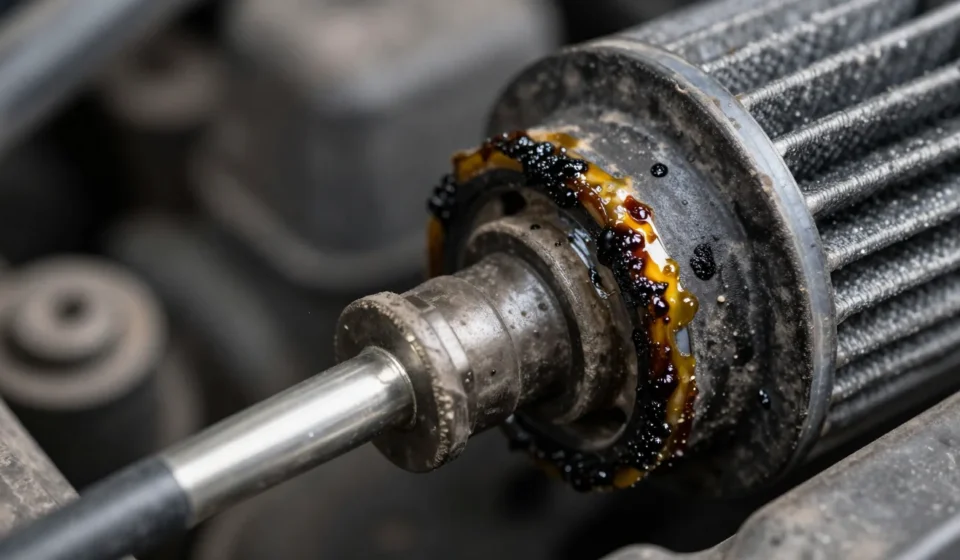
Cotton gauze filters like K&N require careful oiling. Over-oiling leads to oil migrating onto the MAF sensor, coating the hot wire and corrupting readings. Spray only the outer pleats, then let the filter sit for 30 minutes before installing.
Under-oiling lets dirt pass through. Better yet, consider a dry synthetic filter that eliminates this risk entirely.
Many enthusiasts make aftermarket intake mistakes by improper filter maintenance.
How to Clean an Oiled Filter Correctly
Use the kit's cleaning solution, rinse with low-pressure water, and allow to dry naturally. Re-oil sparingly—one spray per pleat.
Pat with a paper towel to absorb excess.
MAF contamination from oiled filters is one of the most common aftermarket intake mistakes. Avoid that by following these steps.
4. Routing the Intake into Hot Air
A cold air intake relies on sourcing air from outside the engine bay, but many enthusiasts install short rams that pull hot underhood air. IATs (intake air temps) can exceed 60°C (140°F) versus ambient, killing density and power.
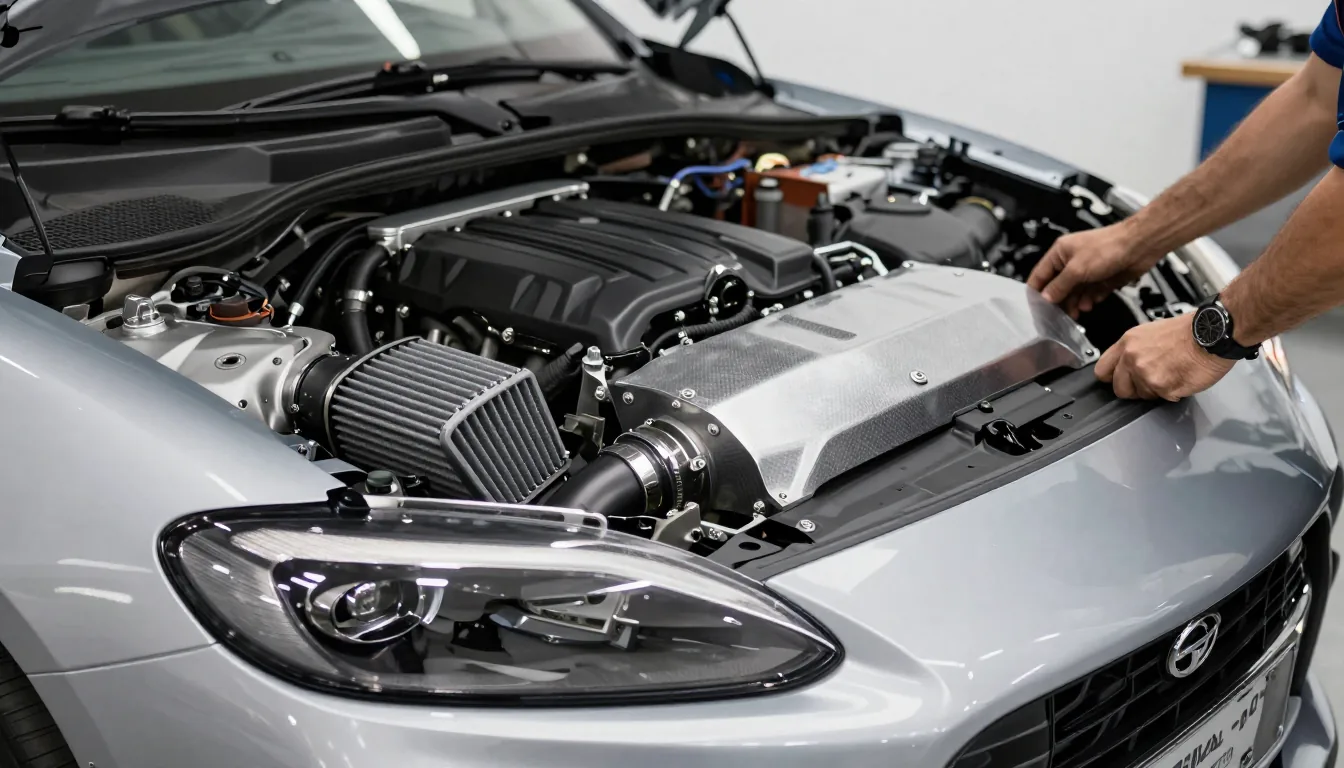
Use a heat shield or enclose the filter behind the headlight. The factory duct often feeds colder air than an open cone filter sitting on the engine.
Another of the common aftermarket intake mistakes is ignoring IAT.
Proven Solution: Relocate or Shield
Measure IAT with an OBD-II scanner during a test drive. If temps are more than 10°C above ambient, fabricate a box or route a cold air duct from the grille.
Some intakes come with a heat shield; install it tightly. Avoid metal pipes that soak engine heat—plastic or composite insulates better.
5. Mismatched Intake Tube Diameter
Oversized intake tubing can reduce air velocity, hurting low-end torque. The engine wants a tuned column of air; a 4-inch tube on a stock 2.0L engine slows the flow.
Stick to the diameter the intake engineer designed, usually 2.5–3 inches for most four-cylinders. For turbo cars, larger pre-turbo piping can actually reduce spool. Consult dyno results before upsizing.
How to Choose the Right Tube Size
Match the intake tube’s inner diameter to your throttle body (for NA) or compressor inlet (for turbo). If you already have an oversized pipe, you can restrict it with a reducer; better to buy the right kit.
Remember: More airflow is not always better—velocity matters.
Final Verdict
An aftermarket intake can net 5–15 hp if installed correctly. Avoid these five oversights: MAF placement, untuned trims, oiled filter misuse, hot air ingestion, and wrong pipe size.
These aftermarket intake mistakes are easily preventable.
Automotive & Mobility enthusiasts should always data-log after any intake install. For deeper tuning info, check resources like EngineLabs and HP Tuners. Get it right, and your engine breathes freely—get it wrong, and you just wasted money.