
The Essence of Thai Curry Paste Homemade
Making Thai curry paste homemade is an act of culinary devotion. In Thailand, green curry paste — krueang gaeng keow wan — is pounded by hand, releasing volatile oils that no machine can replicate. The paste is the soul of the dish; its freshness determines everything.
Store-bought versions often rely on dried spices and preservatives, dulling the bright, herbal punch. When you craft Thai curry paste homemade, you control the balance of heat, sweetness, and aroma.
The result is a paste that sings with layers of flavor. This authentic approach yields a vibrant green hue that instantly elevates any curry.
The Art of Pounding Aromatics
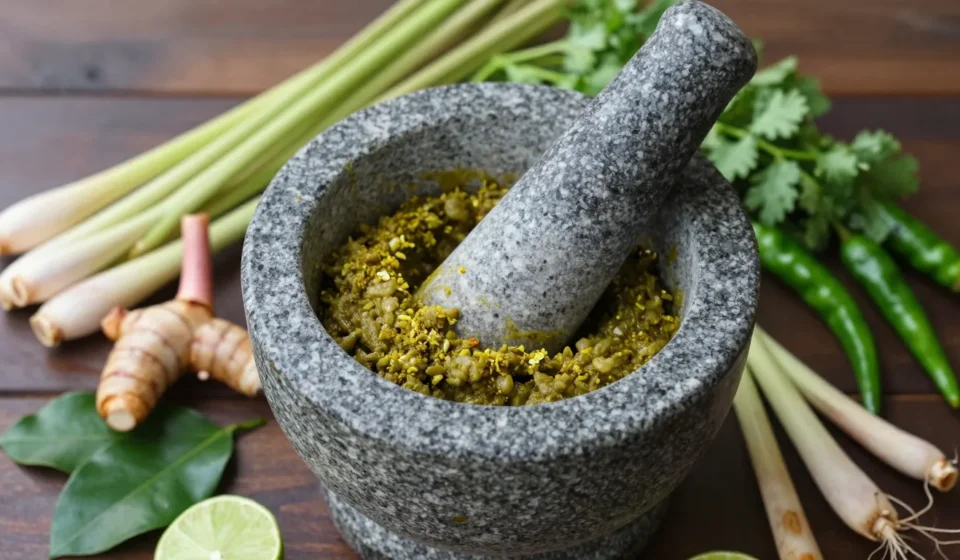
A granite mortar and pestle is the traditional tool. The heavy pestle crushes fibers, ruptures cells, and melds flavors into a cohesive paste.
Start with the hardest aromatics: galangal and lemongrass.
Smash lemongrass stalks to release oils, then slice thinly before pounding. Galangal, tougher than ginger, requires patient grinding.
Add green bird's eye chilies next — seeds included for that signature heat. The goal is a rough, textured paste, not a smooth puree.
Patience is key; rushing leads to uneven flavors.
Selecting the Freshest Ingredients
Seek out young galangal with pinkish tips, firm lemongrass, and makrut lime leaves that are glossy and fragrant. Cilantro roots, often discarded, are essential for earthy depth. Shrimp paste — kapi — must be roasted briefly over a flame to mellow its pungency.
White peppercorns, freshly ground, add a subtle heat that black pepper can't match. The balance of these ingredients defines the paste's character.
Too much galangal and it becomes medicinal; too little salt and it falls flat. For Thai curry paste homemade, sourcing these ingredients fresh from an Asian market makes a noticeable difference.
Technique: From Pestle to Pot
Work in batches: aromatics, then wet ingredients (shrimp paste, fish sauce), then dry (pepper, coriander seeds). Keep the mortar steady with one hand; pound with a rhythmic wrist motion.
Scrape the sides often with a plastic scraper.
Aim for a cohesive, slightly gritty texture. The paste should hold together when pinched.
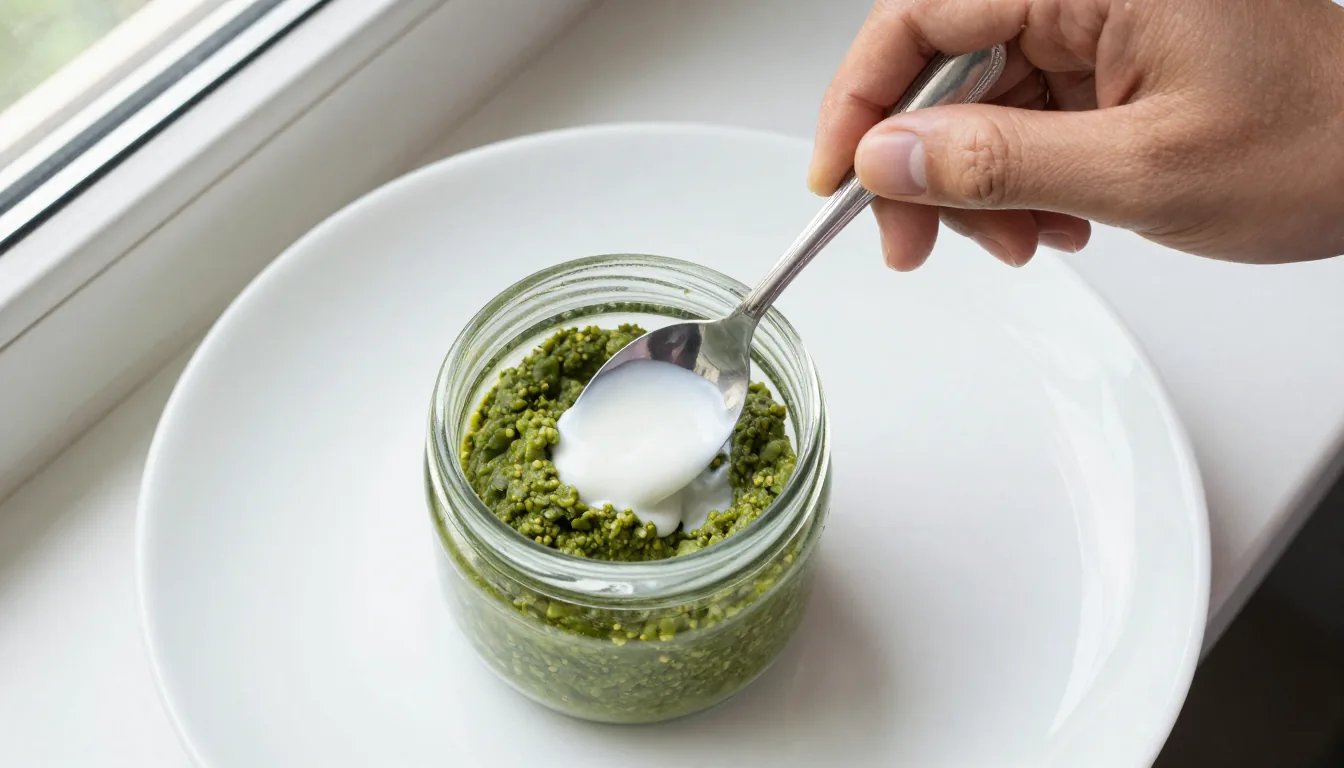
This process takes about 20 minutes — meditative and rewarding. Once made, use immediately or store in a sealed jar with a thin layer of oil on top, refrigerated for up to a week.
When making Thai curry paste homemade, freshness is paramount, so avoid long storage.
Why Fresh Paste Transforms Your Curry
Coconut milk splits less when fresh paste is used, because the emulsifying properties of the herbs are intact. The paste infuses the broth with a vivid green hue and a fragrance that fills the kitchen. A Gastronomy & Food enthusiast will recognize the difference immediately.
For a classic Thai green curry, fry the paste in coconut cream until fragrant, then add chicken or tofu, vegetables, and more coconut milk. Finish with Thai basil and kaffir lime leaves.
The paste is the foundation — make it well, and the rest follows. Experience the depth that only Thai curry paste homemade can deliver.
For a deeper dive, try adding roasted coriander seeds and cumin to your paste; it's a common variation in southern Thailand. The subtle toastiness complements the herbal notes.
You can also substitute dried chilies if fresh ones are unavailable, but rehydrate them first for the best texture.
Storing Your Homemade Curry Paste
To preserve freshness, layer the paste in a jar with a film of neutral oil. Refrigerate for up to a week, or freeze in ice cube trays for longer storage.
This way, you always have authentic paste ready for a quick weeknight curry.
Once you experience the difference of Thai curry paste homemade, you’ll never go back to store-bought.
For further reading, explore Serious Eats’ guide to green curry and BBC Good Food’s version. Each offers variations, but the traditional method remains supreme.
Mastering Thai curry paste homemade opens the door to countless dishes. Use it in soups, stir-fries, or as a marinade.
The effort rewards you with an irreplaceable burst of fresh, complex flavors.