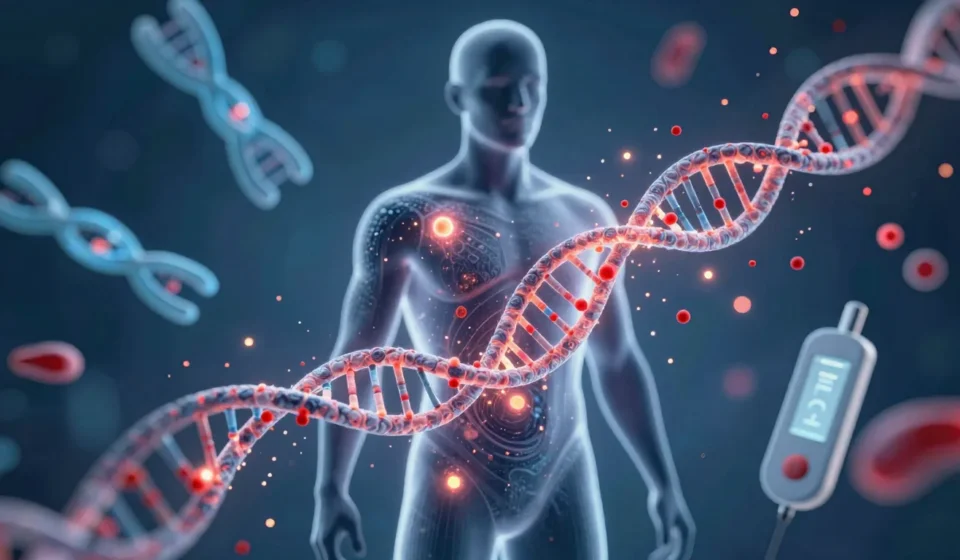

Understanding the Key Markers of Biological Aging
Tracking your biological age goes beyond counting birthdays. Specific aging biomarkers to track provide a clearer picture of your cellular health and longevity potential. By regularly assessing these aging biomarkers to track, you can identify areas for improvement.
These measurable indicators can help you adjust your lifestyle to slow the aging process. In this article, we discuss five key biomarkers that are strongly linked to longevity, including telomere length and epigenetic age.
Understanding these indicators is the first step toward a longer, healthier life.
Let’s explore each one in detail.
1. Telomere Length: A Key Cellular Indicator
Telomeres are protective caps at the ends of your chromosomes that shorten with each cell division. Shorter telomeres are linked to increased risk of age-related diseases and early mortality.
Telomere length is one of the most important aging biomarkers to track.
You can support telomere health through stress management, regular exercise, and a nutrient-rich diet. A study published in The Lancet found that lifestyle interventions can increase telomere length. Monitoring telomere length through specialized lab tests provides a direct measure of cellular aging.
Optimal telomere length varies, but longer is generally better.
2. Epigenetic Age: Your Biological Clock
Epigenetic clocks analyze DNA methylation patterns to estimate biological age. These clocks, such as Horvath’s clock, are highly accurate predictors of mortality and healthspan.
Epigenetic age is another critical aging biomarker to track.
Factors like diet, exercise, and sleep affect DNA methylation. A study in Aging Cell showed that caloric restriction slows epigenetic aging. You can track your epigenetic age using commercial tests like myDNAge or GlycanAge to gauge your biological progress.
An epigenetic age lower than your chronological age is ideal.
3. Inflammatory Markers: Tracking Silent Aging
Low-grade chronic inflammation, measured by markers like C-reactive protein (CRP) and interleukin-6 (IL-6), accelerates aging. Elevated CRP is associated with cardiovascular disease and cognitive decline.
Inflammatory markers like CRP are valuable aging biomarkers to track.
You can lower inflammation through an anti-inflammatory diet, omega-3 supplements, and regular physical activity. Monitoring CRP levels via blood tests helps you assess your inflammatory status and the effectiveness of your interventions.
CRP levels below 1 mg/L are considered low risk.
Chronic inflammation is a key driver of biological aging, so tracking it is essential.
4. HbA1c: Metabolic Aging Indicator
HbA1c reflects average blood glucose over 2–3 months. Higher HbA1c is linked to accelerated aging, diabetes, and organ damage.
HbA1c serves as a metabolic aging biomarker to track.
Target HbA1c below 5.7% for normal, but below 5.5% is optimal for longevity. Dietary strategies like reducing refined carbohydrates and practicing intermittent fasting can improve HbA1c.
Regular blood tests allow you to track this marker and adjust your diet accordingly.
Aim for an HbA1c below 5.5% for ideal metabolic health.
5. NAD+: The Energy Molecule
Nicotinamide adenine dinucleotide (NAD+) declines with age, impairing mitochondrial function and DNA repair. Lower NAD+ is associated with aging hallmarks like metabolic dysfunction and neurodegeneration.
NAD+ levels are also essential aging biomarkers to track.
Boosting NAD+ can enhance cellular resilience. You can increase NAD+ through supplementation with NMN or NR, exercise, and cold exposure.
While direct NAD+ measurement requires specialized labs, some services offer at-home test kits.
Tracking changes can guide your supplementation strategy.
How to Monitor These Aging Biomarkers to Track
To effectively monitor these markers, consider annual blood work and specialized tests. Many biomarkers, like CRP and HbA1c, are included in standard panels.
Others, like telomere length and epigenetic age, require additional tests from companies such as TruDiagnostic or Life Length.
Work with a healthcare provider who understands functional medicine. They can help interpret results and create a personalized plan.
Remember, the goal is to improve your scores on these aging biomarkers to track over time.
For more on optimizing your health, visit our Health & Wellness section for evidence-based guides. Always consult a professional before making significant lifestyle changes.
By regularly monitoring these key indicators, you can take control of your biological age and improve your longevity. Start with one or two markers and expand as you learn more.