
Foods That Accelerate Aging
Avoiding foods that accelerate aging is one of the most effective ways to support longevity. Scientific research has pinpointed specific dietary items that promote oxidative stress and shorten telomeres.
By understanding these culprits, you can make informed choices to protect your cellular health. Chronic consumption of these foods can speed up biological age, leading to premature wrinkles and inflammation.
Below are five foods that accelerate aging, backed by robust evidence. For more on healthy aging, visit our Health & Wellness category.
1. Sugary Beverages: A Cellular Toll

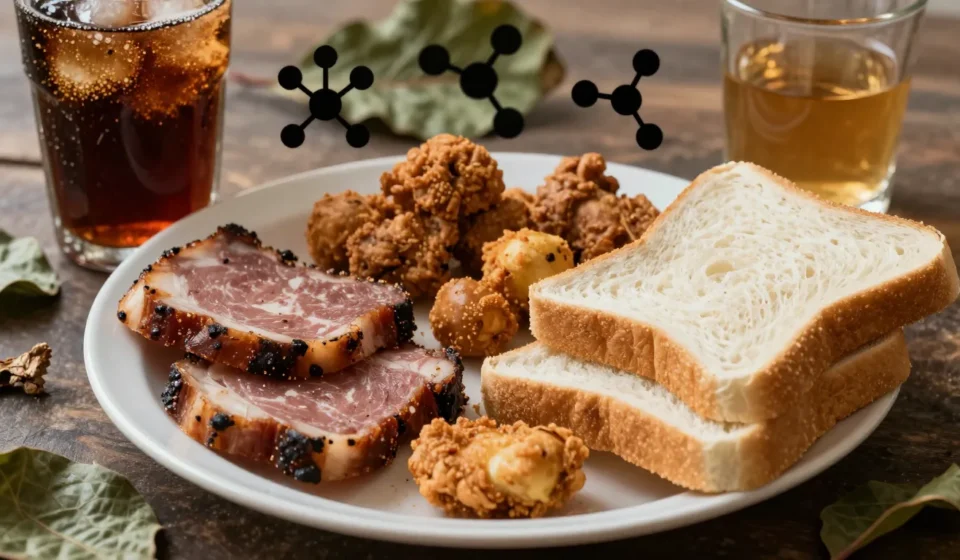
Regular consumption of soda, fruit drinks, and sweetened teas spikes blood sugar, initiating glycation. This process damages collagen and elastin, causing skin to sag and wrinkle prematurely.
Studies show that daily sugary drink intake correlates with significantly shorter telomeres. This connection holds even after controlling for other lifestyle factors.
Fructose, a common sweetener, is particularly harmful as it generates more free radicals than glucose. Swap these beverages for water infused with lemon, cucumber, or berries.
This simple change can dramatically reduce oxidative damage.
Over time, reducing sugar intake can also improve skin elasticity and reduce wrinkles. Even one sugary drink per day can accelerate aging, so moderation is key.
How Much Is Too Much?
Even one sugary drink per day can accelerate aging. The American Journal of Public Health found that daily consumers had telomeres equivalent to someone 4.6 years older.
Reducing intake to occasional use can mitigate damage. Consider unsweetened tea or sparkling water as alternatives.
2. Processed Meats: Inflammation Accelerators
Bacon, sausages, ham, and deli meats are rich in advanced glycation end-products (AGEs) and nitrates. These compounds trigger chronic inflammation and oxidative stress, two major drivers of aging.
Processed meats also contain heme iron, which can catalyze free radical production in the body. Research links high intake to accelerated telomere shortening and increased risk of age-related diseases.
Choose fresh poultry, fish, or plant-based proteins such as legumes and tofu. These alternatives reduce AGE intake and support cellular repair.
For example, replacing bacon with smoked salmon can lower inflammatory load.
3. Trans Fats from Fried Foods
French fries, doughnuts, and many fast-food items contain industrial trans fats, often listed as partially hydrogenated oils. These fats embed into cell membranes, impairing their fluidity and function.
This leads to systemic inflammation and promotes insulin resistance. Trans fats are notorious for accelerating aging by increasing LDL cholesterol and triggering an inflammatory cascade.
Opt for baked, grilled, or air-fried versions instead. Healthy fats from avocados, nuts, and olive oil support membrane integrity and reduce oxidative stress.
Making these swaps can significantly lower your trans fat intake.
4. Highly Refined Carbohydrates
White bread, pastries, white rice, and sugary cereals are high on the glycemic index, causing rapid glucose spikes. These spikes trigger insulin surges and oxidative damage, which can directly shorten telomeres.
Refined carbs also deplete antioxidants like vitamin C, leaving cells vulnerable to free radical attack. Chronic exposure to high glycemic foods accelerates skin aging through collagen cross-linking.
Replace with whole grains such as quinoa, oats, brown rice, and barley. These provide steady energy and protect telomere length.
Even small substitutions, like choosing whole-wheat pasta, can make a difference.
5. Excess Alcohol: Oxidative Stress Trigger
Heavy or regular alcohol consumption overwhelms the liver’s detoxification capacity, generating acetaldehyde—a toxic compound that damages DNA. Alcohol metabolism produces reactive oxygen species that directly shorten telomeres.
Even moderate intake can contribute to oxidative stress, especially in vulnerable individuals. Limit alcohol to one drink per day for women and two for men.
Consider non-alcoholic alternatives like sparkling water with herbs to reduce oxidative load. Supporting liver health with foods like beets and leafy greens can also help mitigate damage.
Takeaway: Simple Swaps for Longevity
By consistently avoiding these foods that accelerate aging, you can significantly reduce oxidative stress and protect your telomeres. Consistency matters more than perfection—small, mindful substitutions make a real difference over time.
Incorporating antioxidant-rich foods like berries, green tea, and cruciferous vegetables can further combat damage. For further reading, check this study on telomeres and diet and this Harvard guide on anti-inflammatory foods. For personalized advice, consult a healthcare professional.